Iran has issued a stern warning to residents in northern Israeli-held territories, urging them to leave the area if Israel proceeds with threats to intensify military operations against Beirut’s southern suburbs. The warning marks a sharp escalation in regional rhetoric as tensions rise between Israel, Lebanon, and Iran.
In a statement released on Monday, the Khatam al-Anbiya Central Headquarters, Iran’s top military command body, responded to recent Israeli threats targeting Beirut’s southern district of Dahiyeh, a stronghold of the Lebanese group Hezbollah. Iranian officials said that if Israel carries out large-scale attacks on the Lebanese capital and its suburbs, people living in northern Israeli settlements could face consequences.
The statement came after Israeli Prime Minister authorized military strikes against Dahiyeh and other areas around Beirut. Israeli authorities said the operations were intended to counter what they described as repeated violations of a ceasefire agreement by Hezbollah.
Iranian officials argued that Israel’s actions risk undermining broader efforts to reduce tensions across the region. Tehran has repeatedly warned that continued military operations in Lebanon and Gaza could destabilize ongoing diplomatic contacts involving the United States and increase the likelihood of a wider conflict.
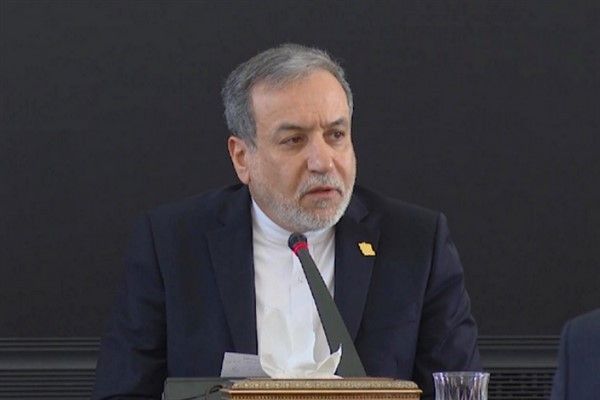
Iranian Foreign Minister accused Israel of violating the spirit of regional de-escalation. In comments posted on social media, Araghchi said that any ceasefire arrangement involving Iran and the United States should be respected across all conflict zones, including Lebanon. He argued that military actions in one theater could have consequences for broader negotiations and regional stability.
Similar concerns were raised by Iranian parliamentary speaker and senior negotiator , who criticized both Israeli military operations and continued American pressure on Iran. He suggested that actions taken by Washington and Tel Aviv could jeopardize diplomatic efforts and trigger further instability.
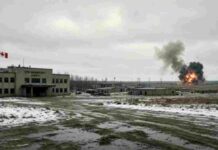
The warnings from Tehran coincided with reports of intensified Israeli military activity in southern Lebanon. Israeli forces reportedly advanced deeper into Lebanese territory while issuing evacuation notices to residents in parts of Beirut’s southern suburbs. Airstrikes followed shortly afterward, raising concerns that the conflict could expand beyond its current scope.
Amid the rising tensions, U.S. President sought to reassure observers that efforts were underway to prevent a broader war. Trump said he had spoken with Netanyahu and claimed the conversation helped reduce the immediate risk of escalation.
According to Trump, measures had been taken to halt the movement of troops toward Beirut, and he expressed confidence that the situation could still be contained. He also claimed that individuals connected to Hezbollah had indicated a willingness to avoid further attacks, although no independent confirmation of such contacts has emerged.
Meanwhile, Iran’s semi-official Tasnim news agency reported that Tehran has temporarily halted the exchange of negotiation proposals with Washington through intermediaries. The report said Iranian officials are demanding an end to Israeli military operations in both Lebanon and Gaza before diplomatic discussions can continue.
Sources cited by the agency stated that Iran wants a complete Israeli withdrawal from Lebanese territory and an immediate halt to military actions as preconditions for resuming negotiations.
In another sign of growing tensions, Iran’s Islamic Revolutionary Guard Corps (IRGC) warned that additional fronts could be opened if Israeli operations continue. The organization also repeated threats concerning the strategically important , through which a significant portion of global energy shipments pass.
Iranian state media quoted IRGC officials as saying that further escalation in Lebanon or Gaza could cross what Tehran considers critical red lines. Officials warned that continued military pressure could transform the current crisis into a direct regional confrontation.
The latest developments highlight the increasingly interconnected nature of conflicts across the Middle East. While Washington has attempted to separate discussions about Iran from ongoing conflicts in Lebanon and Gaza, Tehran continues to insist that all regional issues must be addressed together.
Despite the sharp rhetoric and mounting military activity, Trump maintained that diplomatic progress remains possible. He expressed confidence that negotiations with Iran could eventually produce an agreement and reduce tensions throughout the region.
As military operations continue and diplomatic channels face growing strain, regional and international observers remain concerned that a localized conflict could evolve into a broader confrontation involving multiple countries across the Middle East.