
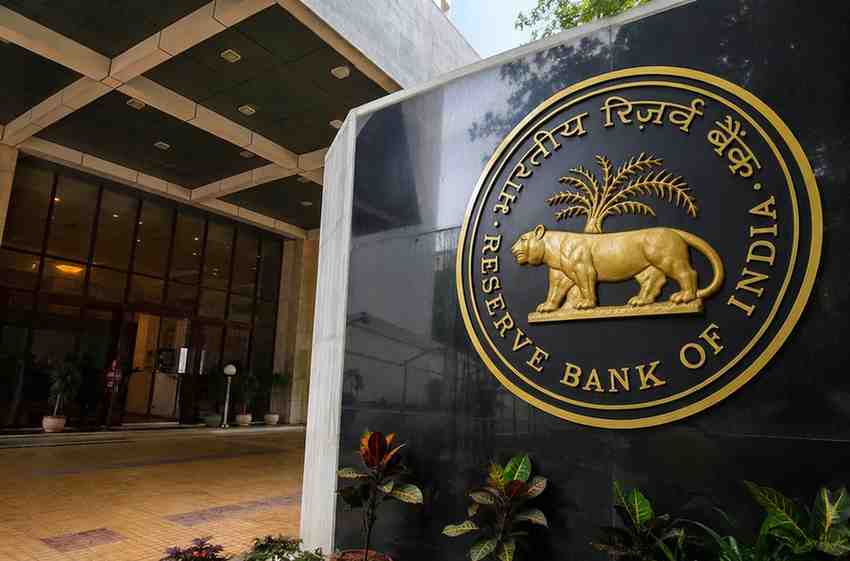
The Reserve Bank of India (RBI) has introduced stricter rules governing loan recovery, putting stronger safeguards in place to protect borrowers from harassment, intimidation and privacy violations. The revised framework lays down clear boundaries for banks, financial institutions and recovery agencies while making lenders more accountable for the conduct of recovery agents.
The new directions will come into effect from January 1, 2027, giving banks and other regulated entities time to revise their recovery policies, strengthen monitoring systems and train personnel. The RBI said the final framework was issued after considering feedback received on its draft directions released in May 2026.
The move is significant for borrowers who have faced repeated calls, threatening messages, unwanted visits and pressure involving family members or colleagues after missing loan repayments.
RBI Draws a Clear Line Against Harassment
Under the revised framework, the RBI has made it clear that recovering outstanding dues cannot involve abusive, threatening or intimidating behaviour. Banks and their recovery agents will be prohibited from using methods that compromise a borrower’s dignity, privacy or personal safety.
Recovery agents will not be permitted to use threatening or abusive language, make anonymous or threatening calls, repeatedly contact borrowers or send inappropriate messages through mobile phones and social media.
They will also be prohibited from publicly humiliating borrowers, sharing their personal information, photographs, videos or audio recordings online, or threatening damage to their reputation, family or property.
The restrictions also extend to the treatment of a borrower’s relatives, friends, colleagues and other associated persons. Recovery efforts cannot be used as a means to pressure or embarrass people connected to the borrower.
Recovery Calls and Visits Restricted to Specific Hours
One of the most important changes concerns the timing of recovery calls and visits.
Under the new framework, recovery agents and bank employees will generally be allowed to contact or visit borrowers only between 8 am and 7 pm. Contact outside these hours will be permitted only when the borrower has specifically requested or authorised it.
Borrowers can also request that calls or visits not take place at a particular time, and such requests should ordinarily be respected.
The RBI has further directed recovery personnel to avoid contacting borrowers during particularly sensitive circumstances, including bereavement, medical emergencies, marriage-related functions and similar difficult situations.
Borrowers Get Greater Control Over Recovery Meetings
The new rules also give borrowers greater say over where recovery-related discussions take place.
As a general principle, recovery agents should meet borrowers at a location chosen by the borrower. A visit to the borrower’s home or workplace may take place when no location preference has been communicated or when the borrower repeatedly fails to attend meetings at the mutually chosen location.
For microfinance borrowers, recovery should ordinarily take place at a mutually agreed location rather than at the borrower’s residence, subject to specified exceptions.
Also Read: Bangkok School Shooting Horror: Teacher Killed, Student Gunman Dead, 4 Injured
This provision is aimed at reducing intrusive visits that can expose a borrower’s financial difficulties to family members, neighbours or colleagues.
Banks Must Inform Borrowers Before Agent Visits
The RBI has also strengthened transparency around recovery agents.
Before the first physical visit by a recovery agency, banks must inform the borrower at least one day in advance. The communication must provide details of the agency assigned to recover the dues.
If a bank changes the recovery agency, the borrower must be informed promptly. Similarly, if an agency’s agreement is terminated, the bank must notify affected borrowers to prevent unauthorised individuals from continuing recovery activities.
Banks have also been asked to publish updated information about their empanelled recovery agencies, including details such as their names, addresses, purpose of engagement and appointment period.
Banks Will Be Held Responsible for Recovery Agents
The revised framework makes it harder for banks to distance themselves from misconduct committed by outsourced recovery agencies.
Banks will remain responsible for ensuring that recovery agencies comply with RBI requirements. Lenders must conduct due diligence before appointing agencies and carry out periodic checks after their appointment.
Recovery agencies will also have to ensure that their personnel receive appropriate debt-recovery training. The RBI has specifically referred to the Debt Recovery Agent training programme conducted by the Indian Institute of Banking and Finance (IIBF), or equivalent programmes offered through institutions having appropriate arrangements with IIBF.
Banks must additionally establish codes of conduct, monitoring systems, audits and internal controls for recovery operations.
Recovery Calls Will Have to Be Recorded
Another major safeguard is the mandatory recording and preservation of recovery-related calls.
Banks will have to maintain records of the time and number of calls made to borrowers or guarantors, along with the contents of those conversations. Calls received by borrowers from the contact numbers provided by banks will also fall within the recording framework.
These recordings must generally be preserved for at least six months. If a dispute or legal case is pending, the records will need to be retained until the proceedings are completed.
Borrowers must also be informed that their conversations are being recorded. The measure is expected to provide evidence in cases where borrowers allege inappropriate or abusive recovery behaviour.
No Incentives for Aggressive Recovery
The RBI has also focused on the way recovery employees and agencies are incentivised.
Banks must ensure that recovery targets and incentive structures do not encourage employees or agents to adopt harsh or unlawful methods. This means lenders will need to examine whether performance-linked targets are indirectly encouraging aggressive behaviour.
Recovery agents visiting borrowers will also have to clearly identify themselves. They must carry an identity card and relevant authorisation documents, including information that allows borrowers to verify their appointment and contact the appropriate grievance redressal officer.
Borrowers Could Receive Compensation for Violations
In a major accountability measure, banks will be required to include provisions for compensating borrowers or guarantors who suffer losses because recovery actions are inconsistent with the RBI’s directions.
The central bank has not prescribed a fixed compensation amount. Instead, individual banks will have to establish appropriate provisions within their recovery policies.
Banks must also create dedicated mechanisms for complaints related to recovery practices. Details of the responsible grievance redressal officer, including contact information, must be made available to borrowers through loan documentation and recovery-related communications.
The revised rules are therefore designed to create a stronger balance between a lender’s legitimate right to recover dues and a borrower’s right to dignity, privacy and fair treatment.
With the framework taking effect from January 1, 2027, banks and recovery agencies now have several months to overhaul their procedures. The RBI’s message is clear: loan repayment obligations remain binding, but recovery cannot become a licence for intimidation, humiliation or harassment.
Click here to join our WhatsApp Channel for real-time news updates and exclusive coverage.