Efforts to secure a long-term ceasefire in Gaza have reached a critical stage, but a key disagreement over the disarmament of Hamas continues to stand in the way of a final agreement. While diplomatic negotiations have generated cautious optimism, both Hamas and Israel remain divided on the conditions required to move the peace process forward.
The proposed peace framework seeks to end months of conflict, facilitate humanitarian relief, and lay the foundation for reconstruction in Gaza. However, the issue of when and how Hamas should surrender its weapons has emerged as the most significant hurdle in the negotiations.
Hamas Demands Israeli Withdrawal First
Hamas has maintained that it will not agree to disarm unless Israel first fulfills several commitments, including withdrawing its forces from Gaza, ending military operations, and allowing unrestricted humanitarian aid into the territory.
According to Hamas officials, disarmament cannot take place while military operations continue. The group argues that any transition toward peace must begin with a complete ceasefire and concrete guarantees for the safety and future governance of Gaza.
Hamas has also indicated that any future security arrangements should be managed by a Palestinian-led administrative authority rather than through direct Israeli oversight.
Israel Insists on Security Guarantees
Israel has taken the opposite position, insisting that Hamas must first give up its military capabilities before any large-scale withdrawal of Israeli forces can occur.
Israeli leaders argue that lasting peace cannot be achieved while Hamas retains weapons, missile stockpiles, and military infrastructure. They maintain that disarmament is essential to ensuring long-term security and preventing future attacks.
Officials in Israel have repeatedly stated that any agreement must include effective verification mechanisms to ensure that Hamas no longer possesses military capabilities.
International Monitoring Proposed
To bridge the gap between the two sides, negotiators have discussed creating an international monitoring mechanism that would supervise every stage of the agreement.
Under the proposal, independent observers would verify compliance with each commitment before the next phase of the peace process begins. This approach aims to build confidence between the parties while ensuring accountability throughout implementation.
The framework also envisions the establishment of a Palestinian administrative body that would oversee governance, humanitarian assistance, and reconstruction efforts in Gaza following the ceasefire.
Reconstruction and Humanitarian Relief
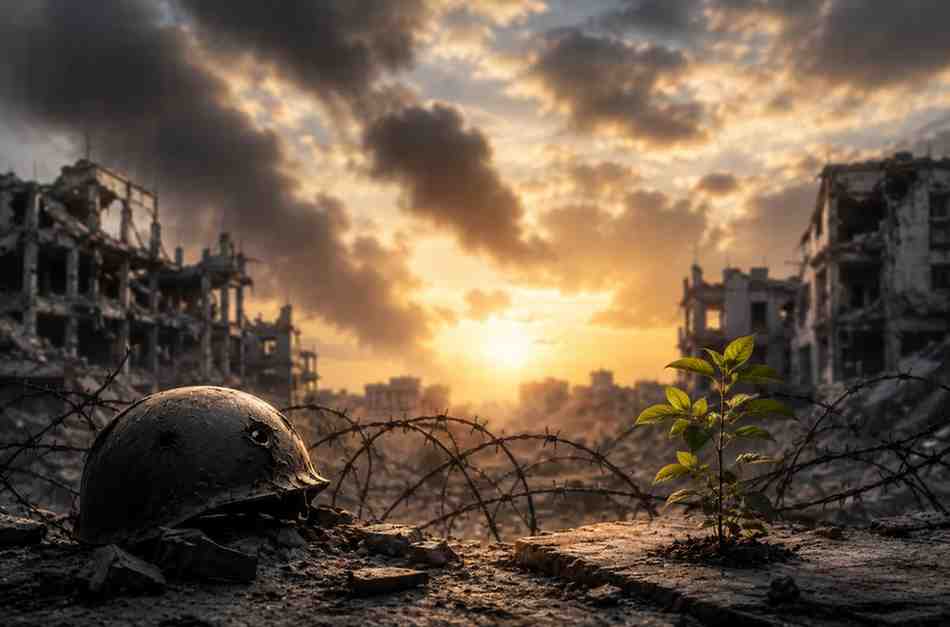
A central objective of the proposed peace plan is the rebuilding of Gaza, where extensive damage to homes, hospitals, schools, and public infrastructure has left millions of civilians facing severe humanitarian challenges.
International donors are expected to support reconstruction projects, restore essential public services, and provide emergency assistance once security conditions improve.
Aid agencies have emphasized that uninterrupted humanitarian access will be essential for delivering food, medical supplies, clean water, and shelter to affected communities.
Deep Mistrust Continues to Slow Progress
Despite ongoing diplomatic efforts, deep mistrust between Hamas and Israel remains the biggest obstacle to reaching a final agreement.
The central dispute revolves around the sequence of implementation. Hamas insists that Israeli troops must withdraw before disarmament begins, while Israel maintains that Hamas must surrender its weapons before any military withdrawal can take place.
This disagreement has delayed several previous ceasefire initiatives and continues to complicate current negotiations.
International Community Watches Closely
Governments and international organizations are closely monitoring the negotiations, viewing them as one of the most significant opportunities in recent years to reduce violence in Gaza.
Also Read: Goa Unveils Bold Vision For Sustainable Infrastructure At National Conference
Many countries have urged both sides to demonstrate flexibility and prioritize civilian safety. Diplomatic efforts continue to focus on achieving a sustainable ceasefire, expanding humanitarian assistance, and creating conditions for long-term political stability.
International mediators believe that resolving the disarmament issue will be crucial to unlocking broader agreements on reconstruction, governance, and regional security.
Outlook Remains Uncertain
Although negotiations continue, no final breakthrough has been achieved. Both Hamas and Israel remain committed to their respective positions, leaving the future of the peace initiative uncertain.
The success of any agreement will depend on whether negotiators can overcome differences over disarmament, security guarantees, and the timing of military withdrawal. Until then, hopes for a lasting peace in Gaza remain fragile, even as diplomatic efforts continue to search for common ground.
Click here to join our WhatsApp Channel for real-time news updates and exclusive coverage.