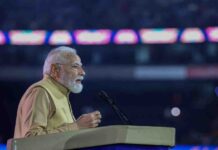
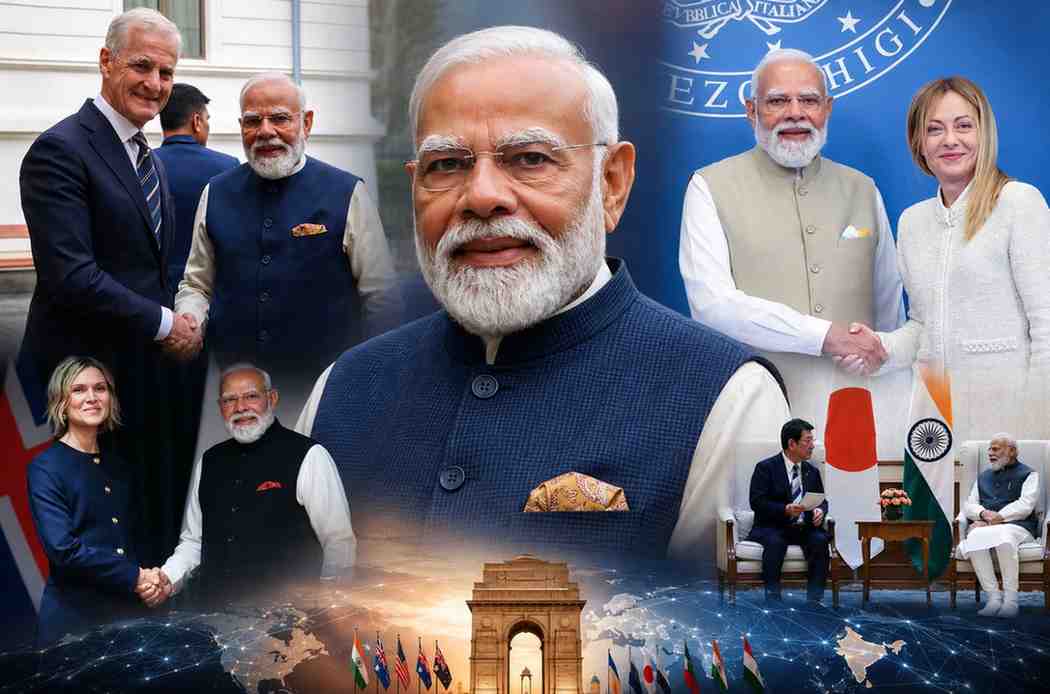
There was a time when PM Narendra Modi was treated as a political outcast. In the aftermath of the 2002 Gujarat riots, large sections of India’s political class, media establishment, and self-proclaimed intellectual elite declared his career finished. Editorials demanded his resignation. Television debates painted him as untouchable. He was lectured publicly on “Raj Dharma,” and many believed history would remember him only through the prism of controversy. Yet, two decades later, the same Narendra Modi stands as one of the most powerful and recognised leaders in the world, leading a confident and assertive India that no longer seeks validation from global power centres.
The transformation is extraordinary—not merely because Modi survived politically, but because he fundamentally altered the trajectory of Indian politics and India’s global standing.
At a time when critics expected him to retreat, Modi chose silence over self-pity and governance over public relations. He did not spend years pleading his case before hostile media platforms. Instead, he focused on administration, infrastructure, investment, and economic growth in Gujarat. The people responded with trust, re-electing him repeatedly and turning Gujarat into a symbol of development-oriented governance.
The legal battles eventually reached their conclusion. Investigations monitored by the Supreme Court found no prosecutable evidence against him. But by then, Modi had already achieved something larger—he had turned relentless political attacks into a narrative of resilience and outsider strength. The year 2014 changed Indian politics forever.
India, exhausted by corruption scandals, weak coalition politics, and policy paralysis, voted for decisive leadership. Narendra Modi emerged not merely as a candidate, but as the face of aspiration, nationalism, and national renewal. His victory marked the rise of a new political era where governance, delivery, and national pride became central themes.
Successive victories in 2019 and 2024 only reinforced what had become undeniable: Modi was no temporary phenomenon. He had become the defining political figure of his generation. But Modi’s greatest impact lies beyond electoral numbers.
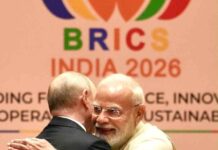
For decades, India often appeared hesitant on the world stage—careful, defensive, and uncertain of its own strength. Under Modi’s leadership, that image changed dramatically. India began speaking with clarity and confidence. Whether in Washington, Paris, Moscow, Abu Dhabi, or Tokyo, India started being treated as a nation whose voice mattered.
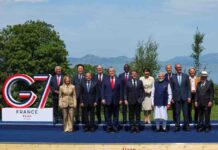
From strengthening strategic alliances like the QUAD to maintaining a balanced position during the Russia-Ukraine conflict, Modi’s foreign policy has projected India as an independent power capable of protecting its own interests while shaping global conversations.
The successful hosting of the G20 Summit further demonstrated that India is no longer merely participating in world affairs—it is helping lead them.
Equally significant has been Modi’s emphasis on civilisational confidence. Through initiatives like International Yoga Day, Make in India, Digital India, and Atmanirbhar Bharat, he has consistently projected India not as a country burdened by its past, but as a civilisation prepared for the future. His politics has resonated deeply because it appeals to something larger than party lines: the desire of millions of Indians to see their nation respected globally and governed with decisiveness at home.
Critics may continue to oppose him politically, as is natural in any democracy. But even many detractors acknowledge that under Modi, India’s international stature has grown substantially. Today, the world looks at India differently—with greater seriousness, strategic interest, and respect.
History often has a sense of irony. The leader once told to “pack up” is now the central face of India’s rise. Those who predicted his political end underestimated not only Narendra Modi, but also the aspirations of a nation waiting to rediscover its confidence.
In many ways, Modi’s journey mirrors India’s own transformation—from hesitation to assertion, from doubt to self-belief, and from being seen as a developing country to emerging as a defining power of the 21st century.