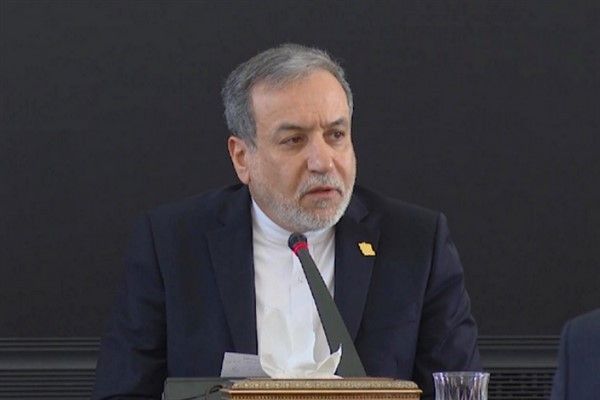
Diplomatic negotiations between Iran and the United States took place under extraordinary pressure, with Iranian Foreign Minister Abbas Araghchi revealing that he feared being bombed “at any moment” while engaging in indirect talks with the administration of US President Donald Trump. His remarks provide a rare glimpse into the tense atmosphere surrounding efforts to revive diplomacy amid escalating regional conflict and military threats.
Talks Shadowed by the Threat of Military Action
According to Araghchi, the negotiations were conducted in an environment where the possibility of military escalation remained ever-present. Speaking about the diplomatic process, he described how the Iranian delegation continued discussions despite believing that an attack could occur at any time.
The Iranian foreign minister’s comments underscore the immense pressure faced by negotiators as both countries attempted to prevent a broader regional conflict while maintaining sharply opposing positions on Iran’s nuclear programme and regional security policies.
Although the talks aimed to reduce tensions, repeated military warnings and public statements from both sides created an atmosphere of uncertainty. Iranian officials have consistently argued that diplomacy cannot succeed if accompanied by threats of force, insisting that negotiations require mutual respect and security guarantees.
Nuclear Programme Remains the Central Dispute
The negotiations primarily focused on Iran’s nuclear activities, which have long remained the biggest obstacle in relations between Tehran and Washington.
The United States has sought stronger restrictions on Iran’s uranium enrichment programme, while Tehran has maintained that its nuclear activities are intended solely for peaceful purposes. Iranian leaders continue to insist that the country’s right to civilian nuclear technology cannot be compromised.

Despite several rounds of indirect negotiations mediated by regional partners, both sides remain divided over sanctions relief, verification measures, enrichment limits, and broader regional security concerns.
Diplomatic observers note that while progress has occasionally been reported, significant differences continue to prevent a comprehensive agreement.
Military Pressure and Diplomacy Collide
Araghchi suggested that conducting negotiations while facing the prospect of military action placed enormous psychological pressure on the Iranian delegation. His statement reflects Iran’s broader criticism that diplomatic engagement loses credibility when accompanied by threats of bombing or military intervention.
Over recent months, repeated warnings from Washington, combined with heightened military deployments across the Middle East, have intensified regional anxieties. Tehran has responded by emphasizing that while it remains open to dialogue, it will also defend its national interests if attacked.
Analysts believe this combination of diplomacy and military pressure has complicated efforts to rebuild trust between the two governments after years of hostility.
Regional Stability Remains at Risk
The strained relationship between Iran and the United States has implications far beyond bilateral diplomacy. Any breakdown in negotiations could affect security across the Middle East, influence global energy markets, and increase tensions involving regional allies.
Also Read: Astronomers Confirm Atmosphere
Recent confrontations have heightened concerns about the security of key maritime routes and the possibility of wider military escalation. Several governments have continued diplomatic efforts aimed at preventing direct conflict while encouraging both Washington and Tehran to continue negotiations.
International observers believe sustained dialogue remains the most effective means of reducing tensions, even though progress has been slow and often interrupted by political and military developments.
Future of Negotiations Uncertain
Despite the difficult circumstances described by Araghchi, both Iran and the United States have indicated at different stages that diplomacy remains preferable to military confrontation.
Iran has repeatedly stated that negotiations can move forward only if threats are removed, while the United States continues to seek assurances regarding Iran’s nuclear activities and regional conduct.
Whether future talks can overcome years of mistrust remains uncertain. However, Araghchi’s remarks reveal just how precarious the diplomatic process has become, with negotiators operating under the constant possibility of renewed conflict.
His account serves as a reminder that diplomacy in one of the world’s most volatile regions often unfolds alongside military preparations, political pressure, and deep strategic rivalry. As both sides continue to weigh their options, the success or failure of future negotiations could significantly influence the security landscape of the Middle East and beyond.