The US President Donald Trump issued fresh threat to Iran while Washington pursues diplomatic breakthrough in Switzerland. As delicate peace negotiations between the United States and Iran continue in Switzerland, President Donald Trump has sharply escalated his rhetoric, warning Tehran that Washington will launch even stronger military action if Iran-backed groups in Lebanon continue to destabilise the region.
Trump’s warning came through a social media statement in which he directly accused Iran of financing and controlling proxy groups operating in Lebanon, particularly Hezbollah. The remarks underscore the fragile state of ongoing diplomatic efforts, as both nations attempt to rebuild relations while managing escalating tensions in the Middle East.
Trump Issues Strong Message to Tehran
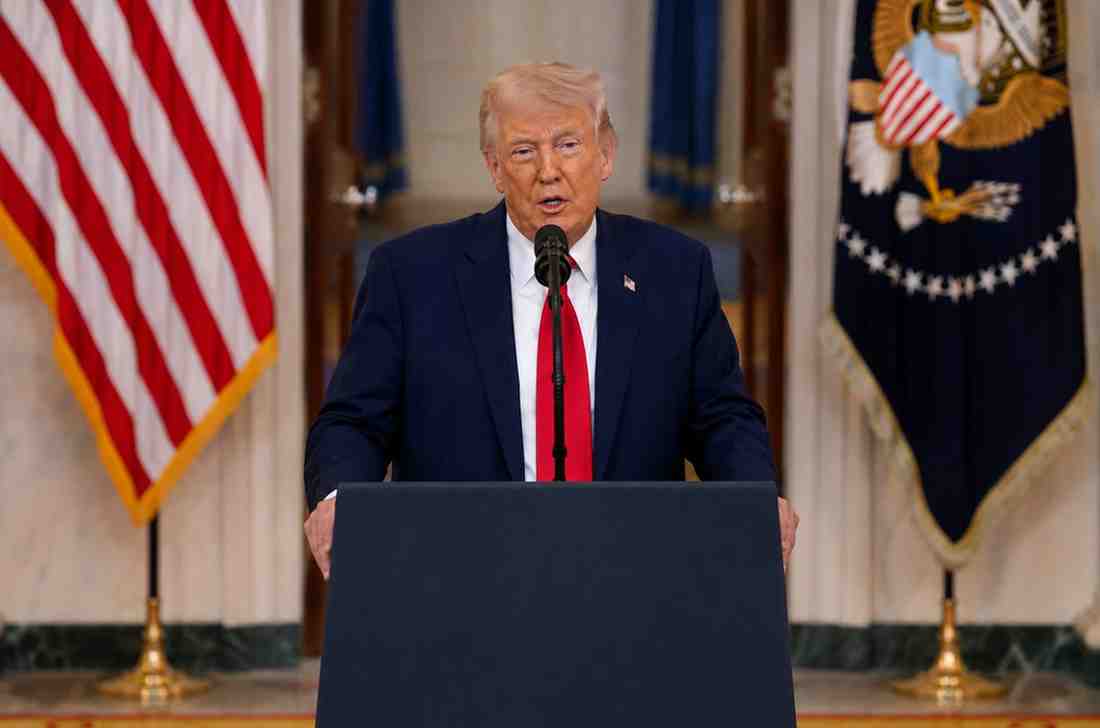
In his statement, Trump said on Truth Social,“Iran must immediately stop their highly paid PROXIES in Lebanon from causing trouble. If they don’t, we’ll hit Iran very hard again, just like we did last week, only harder!!!”
The statement signals a return to a pressure-based approach even as diplomatic channels remain open. Trump’s remarks indicate that the US administration is willing to combine negotiations with military deterrence if regional hostilities persist.
The warning specifically targets Hezbollah, the powerful Iran-backed armed group based in Lebanon that has remained at the centre of tensions with Israel for months. Washington has repeatedly accused Tehran of using regional proxy networks to expand its influence across the Middle East.
Switzerland Talks Continue Amid Rising Tensions
The warning comes at a sensitive time as US Vice President JD Vance leads a diplomatic delegation in Switzerland aimed at advancing a broader peace framework between Washington and Tehran. The negotiations seek to stabilise relations after months of military confrontations and economic uncertainty.
Vance has adopted a more conciliatory tone than Trump, stating that the United States is prepared to “fundamentally transform” its relationship with Iran if Tehran permanently abandons activities that threaten regional security and nuclear proliferation concerns.
The talks are reportedly part of a wider roadmap designed to address multiple flashpoints simultaneously, including maritime security in the Strait of Hormuz, nuclear restrictions, sanctions relief and reducing regional conflicts involving proxy organisations.
However, events in Lebanon continue to threaten the progress of those discussions.
Hezbollah Remains a Major Obstacle
Despite ceasefire efforts brokered earlier this month, clashes involving Hezbollah and Israeli forces continue to create instability. Previous attempts to halt hostilities have repeatedly collapsed, raising concerns that renewed violence could derail broader diplomatic progress between Washington and Tehran.
Trump has increasingly linked Iran’s behaviour to Hezbollah’s military activities, making it clear that future actions by the Lebanese group could directly trigger American retaliation against Iran itself.
Analysts believe this approach places significant pressure on Tehran because the White House now appears willing to hold Iran accountable for actions carried out by its allied organisations across the region.
The strategy also serves as a warning that any future peace agreement will not solely focus on Iran’s nuclear programme but will encompass Tehran’s wider regional influence.
Diplomatic Optimism Mixed With Military Pressure
The contrasting approaches adopted by Trump and Vance reflect a dual-track American strategy.
While Vance continues negotiations in Switzerland and promotes long-term diplomatic engagement, Trump is simultaneously reminding Tehran that military options remain firmly on the table.
Officials involved in the negotiations say Washington is seeking guarantees that Iran will scale back support for armed groups operating throughout the Middle East. In return, Iran could receive economic incentives and sanctions relief under a future agreement. However, disagreements remain substantial.
Iran has previously insisted that regional security issues, particularly Israeli military operations in Lebanon, cannot be separated from broader peace discussions. Tehran has repeatedly argued that lasting stability requires an end to hostilities against its allies in the region.
Global Markets Watching Closely
The uncertainty surrounding the negotiations has also attracted global attention because of its potential impact on energy supplies and international markets.
Earlier tensions involving the Strait of Hormuz raised fears of supply disruptions, given that the strategic waterway handles a significant share of global oil shipments. Any collapse of diplomacy could once again trigger volatility in energy prices worldwide.
International observers remain cautiously optimistic that Switzerland’s negotiations can prevent another major escalation.
Nevertheless, Trump’s latest remarks have reinforced concerns that the diplomatic window remains extremely narrow.
For now, the world is witnessing an unusual balancing act: a White House pursuing peace at the negotiating table while simultaneously threatening stronger military action if Tehran fails to curb its regional allies. Whether that strategy succeeds may determine the future stability of the Middle East in the coming months.