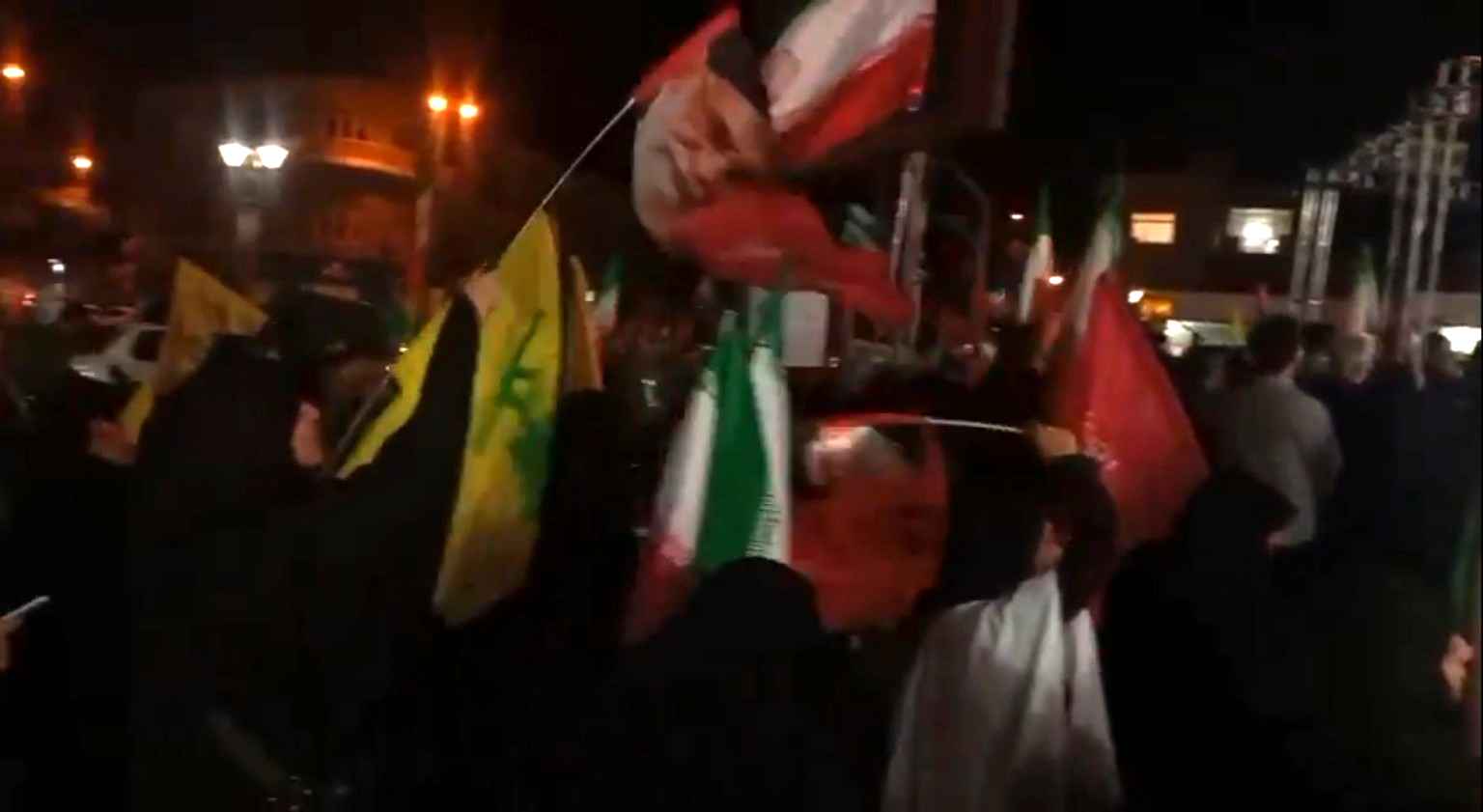
Fresh political tensions have surfaced in Iran after dozens of protesters gathered in the northeastern city of Mashhad to demonstrate against Foreign Minister Abbas Araghchi and the government’s ongoing efforts to negotiate a peace agreement with the United States. The protest reflects growing divisions within Iran over the proposed deal, which supporters view as a path toward stability while critics fear it could weaken the country’s strategic position.
According to reports, demonstrators assembled outside a foreign ministry office in Mashhad and chanted slogans against Araghchi following a televised interview in which he discussed the possibility of signing a peace agreement with Washington. Protesters accused Iranian negotiators of making excessive concessions during talks and argued that the proposed arrangement does not adequately protect Iran’s national interests.
The demonstrations come at a crucial moment in diplomatic efforts aimed at ending months of conflict and tensions between Iran and the United States. Negotiators from both sides have reportedly moved closer to an agreement that would focus initially on reopening the Strait of Hormuz and easing restrictions that have affected maritime trade and regional stability. Discussions on Iran’s nuclear program are expected to follow in a later phase of negotiations.
Opponents of the deal argue that Tehran risks losing leverage over the Strait of Hormuz, one of the world’s most important oil transit routes. Some protesters claimed that Iran would be surrendering a valuable strategic tool without receiving sufficient guarantees in return. These concerns have fueled public criticism among hardline political groups and nationalist factions who remain deeply skeptical of engagement with Washington.
In a recent television appearance, Araghchi suggested that the proposed agreement could lead to the lifting of the US naval blockade imposed on Iranian ports and create conditions for broader diplomatic progress. He emphasized that discussions remain ongoing and that modifications to the agreement are still possible before any final signature is secured.
Despite growing optimism among some international mediators, uncertainty remains over the timing of any formal agreement. US President Donald Trump and Pakistani officials have expressed confidence that a deal is close, with suggestions that an initial understanding could be signed soon. Iranian officials, however, have adopted a more cautious tone, insisting that negotiations are still underway and that no immediate signing should be assumed.
The Mashhad protest highlights the domestic challenges facing Iran’s leadership as it balances economic pressures, regional security concerns, and public opinion. Hardline groups have increasingly criticized diplomatic outreach toward the United States, arguing that previous agreements failed to deliver meaningful benefits for ordinary Iranians. The latest demonstrations indicate that any future accord could face resistance from influential political and ideological factions within the country.
At the same time, Iran continues to grapple with broader social and economic tensions. The country has witnessed waves of protests in recent months over economic hardship, inflation, and political grievances. While the Mashhad gathering was specifically focused on foreign policy and negotiations with Washington, it also reflects wider frustrations and debates about Iran’s future direction.
International observers are closely monitoring developments as negotiations continue. Supporters of the peace initiative argue that an agreement could help reduce regional tensions, improve economic conditions, and reopen critical trade routes. Critics, however, remain concerned that concessions made during talks could undermine Iran’s strategic influence and national security interests.
For now, Iranian officials maintain that discussions with the United States have not concluded and that further consultations are required before any final decision is reached. As diplomacy advances, the reaction in Mashhad serves as a reminder that securing public and political support at home may prove just as challenging as reaching an agreement across the negotiating table.