
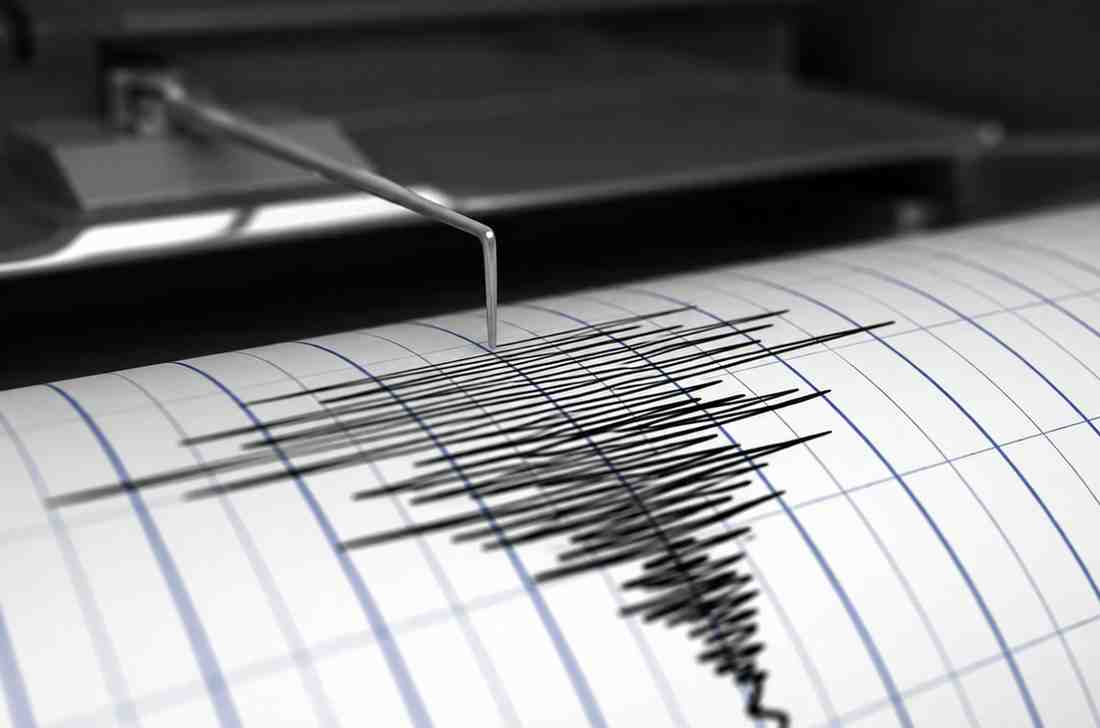
A powerful earthquake measuring magnitude 7.1 struck Japan’s Kumamoto Prefecture on Tuesday, triggering a tsunami advisory for parts of the country’s southern coastline. The quake was felt across the Kyushu region, prompting emergency agencies to monitor the situation closely while residents in vulnerable coastal areas were urged to stay alert and follow evacuation instructions if necessary.
Offshore Quake Triggers Emergency Response
According to the Japan Meteorological Agency (JMA), the earthquake occurred beneath the sea off Kumamoto Prefecture at a relatively shallow depth of around 10 kilometers, increasing the likelihood of strong ground shaking across nearby areas. The tremor struck during the afternoon, with residents reporting intense shaking that lasted several seconds.
Soon after the earthquake, the JMA issued a tsunami advisory for sections of the Kyushu coastline. Authorities warned that while the expected waves were not anticipated to be catastrophic, even smaller tsunamis could generate dangerous coastal currents capable of endangering lives and damaging infrastructure.
Residents Urged to Stay Away From Coast
Japanese disaster management officials urged residents living near the coast to avoid beaches, harbors, and river mouths until authorities officially declared the area safe. Emergency broadcasts were transmitted through television, radio, and mobile phone alert systems to ensure people received timely information.
Local governments also prepared evacuation centers and coordinated with emergency services in case additional assistance became necessary. Railway operators and transportation agencies monitored infrastructure for possible damage while some services were temporarily suspended as a precaution.
No Immediate Reports of Major Damage
In the hours following the earthquake, officials said there were no immediate reports of widespread structural damage or casualties, though assessments were continuing. Emergency response teams inspected roads, bridges, public buildings, and utilities to identify any impacts caused by the strong shaking.
Authorities cautioned that information could change as rescue teams reached remote locations and completed inspections.
Aftershocks Remain a Concern
Seismologists warned that strong aftershocks could follow the main earthquake over the coming hours or days. Residents were advised to remain cautious, particularly around damaged buildings, steep hillsides, and coastal areas.
Japan’s earthquake monitoring network continues to track seismic activity around the affected region, and officials said they would issue further alerts if conditions changed.
Emergency agencies reminded people to keep emergency supplies, including water, food, flashlights, batteries, and first-aid kits, readily available in case additional earthquakes occur.
Japan’s Preparedness Tested Again
Japan is among the world’s most earthquake-prone countries due to its location along the Pacific Ring of Fire, where several tectonic plates converge. The country experiences thousands of earthquakes each year and has developed one of the world’s most advanced earthquake monitoring and disaster preparedness systems.
Also Read: Delhi-NCR Braces For More Rain As IMD Issues Red Alert
Strict building regulations, nationwide early warning systems, and regular disaster preparedness drills have significantly reduced casualties from many earthquakes compared with previous decades.
The latest quake also revived memories of earlier devastating earthquakes that struck Kumamoto and other parts of Japan, highlighting the country’s continued vulnerability despite extensive preparedness efforts.
Authorities Continue Monitoring Situation
Officials from the Japan Meteorological Agency said they would continue monitoring seismic activity and the sea level along affected coastlines. Residents have been advised to rely only on official updates and avoid spreading unverified information on social media.
Disaster management authorities stressed that tsunami advisories should always be taken seriously, even when expected wave heights appear relatively small, as fast-moving water and strong currents can still pose significant risks.
As emergency inspections continue, authorities are expected to provide updated information regarding infrastructure, transportation services, and any confirmed damage or injuries. The situation remains under close observation while emergency personnel remain on standby across southern Japan.
Click here to join our WhatsApp Channel for real-time news updates and exclusive coverage.