Pakistan has come under renewed international scrutiny after introducing sweeping restrictions on foreign journalists and media organisations, a move that has triggered widespread criticism from press freedom advocates and human rights groups. The newly announced regulations require international media personnel and their local associates to obtain government approval before reporting from large parts of the country, significantly expanding official oversight of news coverage.
The latest policy, introduced through the Foreign Media Facilitation Guidelines 2026, marks one of the most comprehensive changes to Pakistan’s media framework in recent years. Under the new rules, foreign correspondents and Pakistani journalists working for international news organisations must complete registration procedures and secure official permission before travelling to report outside Islamabad, Lahore and Karachi.
Government Says Rules Promote Transparency
Pakistan’s Ministry of Information has defended the guidelines, maintaining that the measures are intended to improve coordination and transparency rather than restrict journalistic work. Officials argue that a structured accreditation system will help facilitate reporting while ensuring compliance with national regulations.
Authorities have also stated that the new framework provides clearer procedures for international media operating in the country and strengthens communication between journalists and government departments.
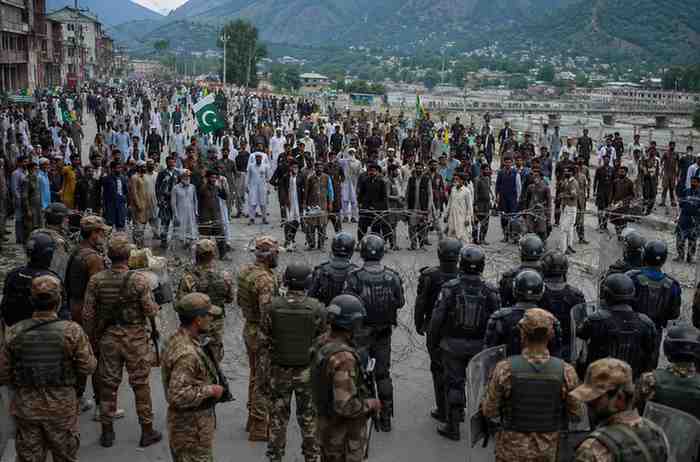
Despite these assurances, the timing of the regulations has raised questions because they come after heightened international reporting on unrest and political developments in Pakistan-administered Kashmir. Several international news organisations had recently published reports on protests, allegations of excessive force, and political tensions in the region.
Press Freedom Groups Voice Strong Concerns
Media organisations and rights advocates have reacted sharply, warning that the regulations could significantly restrict independent journalism.
The Human Rights Commission of Pakistan, journalist unions and press freedom organisations have argued that mandatory permissions and expanded accreditation requirements create additional bureaucratic hurdles for reporters. According to critics, such requirements could discourage independent investigations into sensitive political, security and human rights issues.
Experts have also expressed concern over provisions allowing authorities to revoke permissions on broadly defined grounds related to public order or national ideology. They argue that vague terminology could result in inconsistent enforcement and increase uncertainty for foreign correspondents working in Pakistan.
Spotlight on PoK
International attention has increasingly focused on Pakistan Occupied Kashmir following reports of protests, arrests and restrictions on public demonstrations.
Recent international coverage highlighted allegations of police action, internet disruptions and limitations on media access in the region. Pakistan has rejected accusations that it is suppressing information, maintaining that its actions are aimed at preserving law and order.
However, rights organisations contend that limiting journalists’ access reduces independent verification of events and weakens transparency during periods of political unrest.
Growing Debate Over Media Independence
The controversy has reignited broader discussions about press freedom in Pakistan.
Media watchdogs have long documented challenges faced by journalists, including legal action, censorship, online intimidation and economic pressures. Several international organisations have previously warned that restrictive laws and increasing state oversight have created a difficult operating environment for independent media.
Analysts believe the latest guidelines represent another significant development in the relationship between the state and independent journalism. They argue that foreign correspondents often play an important role in documenting events that attract global attention, making unrestricted reporting essential for international understanding of developments within the country.
International Reaction Builds
The new regulations have drawn attention from international press freedom advocates, who say the measures could affect Pakistan’s global reputation regarding freedom of expression.
Critics argue that democratic societies benefit from independent reporting and that limiting journalists’ movement may reduce transparency rather than strengthen public confidence. They have urged Islamabad to reconsider provisions requiring prior approval for reporting assignments outside major metropolitan areas.
Supporters of press freedom have also emphasised that independent journalism contributes to accountability and informed public debate, particularly during periods of political or social tension.
A Defining Moment for Pakistan’s Media Landscape
The implementation of the Foreign Media Facilitation Guidelines 2026 is expected to reshape how international news organisations operate inside Pakistan. News outlets may now face additional administrative procedures before covering events across much of the country, potentially affecting the speed and scope of reporting.
While Pakistani authorities continue to insist that the policy is administrative rather than restrictive, journalists and civil society organisations remain concerned that expanded government oversight could discourage critical reporting and reduce independent access to information.
As debate over the regulations continues, the issue has become a major test of Pakistan’s commitment to balancing national security concerns with internationally recognised principles of press freedom and transparent journalism. Observers say the government’s next steps—and its engagement with media organisations—will be closely watched by the global community.
Click here to join our WhatsApp Channel for real-time news updates and exclusive coverage.