The United States Senate has moved a major step closer to approving one of the toughest sanctions packages against Russia since the war in Ukraine began. In a bipartisan procedural vote, senators overwhelmingly supported legislation that would significantly tighten economic restrictions on Moscow while authorizing the US President to impose tariffs of up to 100% on countries that continue purchasing large volumes of Russian oil and natural gas.
The proposed measure is aimed at reducing Russia’s energy revenues, which American lawmakers argue continue to finance the country’s military operations in Ukraine. The legislation has drawn widespread attention because of its potential impact on major buyers of Russian energy, including India and China.
The procedural vote does not make the bill law, but it allows the legislation to move forward for debate and a final vote in the Senate before it proceeds through the remaining legislative process.
India and China could face higher tariffs
One of the most closely watched provisions of the bill gives the US President authority to impose tariffs of up to 100% on imports from countries that continue buying significant quantities of Russian crude oil, petroleum products, and natural gas.
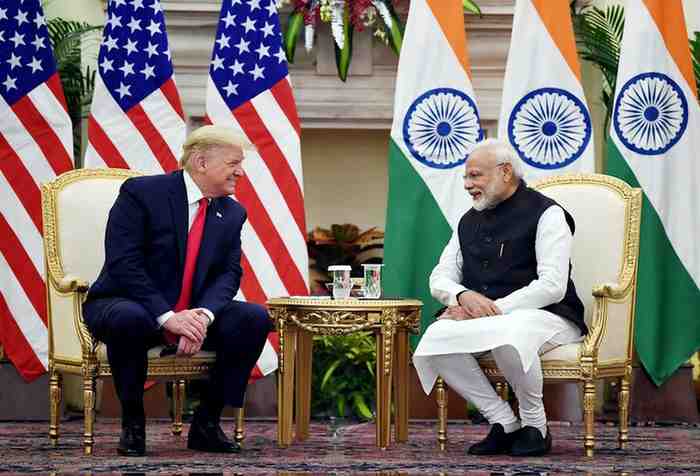
India and China have emerged as two of Russia’s largest energy customers since Western nations imposed sanctions following the Ukraine conflict. Increased purchases by both countries have helped Russia redirect its energy exports after European markets reduced their dependence on Russian supplies.
Supporters of the legislation argue that targeting countries purchasing Russian energy would further weaken Moscow’s financial resources. However, critics warn that such tariffs could affect global trade, increase diplomatic tensions, and disrupt international supply chains.
Although the bill authorizes tariffs of up to 100%, it does not require them to be imposed automatically. The President would retain discretion over whether and when such measures are implemented.
Legislation aims to tighten pressure on Moscow
Besides the tariff provisions, the sanctions package seeks to expand restrictions on Russia’s banking sector, government officials, state-owned enterprises, and individuals accused of supporting the Kremlin’s military campaign.
The bill also proposes stronger action against shipping companies and vessels believed to be part of Russia’s so-called “shadow fleet,” which has been used to transport crude oil while avoiding existing sanctions.
Lawmakers backing the proposal say the objective is to reduce Russia’s ability to finance military operations by limiting access to international markets and making sanctions enforcement more effective.
The legislation also contains provisions extending sanctions related to Iran, reflecting broader US concerns about security and regional stability.
Bipartisan support drives the proposal
The sanctions bill has received support from both Republican and Democratic lawmakers, making it one of the few major foreign policy initiatives to attract broad bipartisan backing.
Senators from both parties have argued that continued economic pressure remains essential to supporting Ukraine and discouraging further Russian military action.
While the procedural vote received overwhelming approval, some lawmakers have expressed concerns about giving the executive branch broad tariff powers that could affect relations with major trading partners. They have indicated that amendments may still be considered before the legislation reaches its final vote.
Zelenskyy visits Washington during Senate action
The Senate’s move came as Ukrainian President Volodymyr Zelenskyy visited Washington, where he met members of Congress to discuss continued American support for Ukraine.
During meetings with senators, Zelenskyy thanked the United States for its military, financial, and diplomatic assistance. He emphasized that sustained international sanctions remain an important tool in limiting Russia’s ability to continue the war.
Also Read: West Bengal Assures No Coercive Action Against Student Protesters After SC Order
His visit coincided with memorial events honoring the late Senator Lindsey Graham, who had been among the strongest supporters of tougher sanctions against Russia and a vocal advocate for continued assistance to Ukraine.
Tribute to Senator Lindsey Graham
Many lawmakers described the legislation as part of Senator Lindsey Graham’s lasting foreign policy legacy.
Before his passing, Graham had worked closely with senators from both political parties to build support for stronger sanctions on Russia. He had repeatedly argued that increasing economic pressure would reduce Moscow’s capacity to sustain the conflict.
Several senators said advancing the bill during the period of mourning reflected their commitment to carrying forward Graham’s efforts. Some lawmakers have also proposed naming the legislation in his honor.
Possible impact on global trade
If eventually enacted and implemented, the proposed tariff provisions could have significant consequences for international trade.
Countries importing Russian energy—including India and China—could face higher costs when exporting goods to the United States if tariffs are imposed. Such measures may influence purchasing decisions, alter energy trade flows, and encourage some nations to diversify their sources of crude oil and natural gas.
Trade experts, however, caution that imposing steep tariffs on major economies could also affect global supply chains, increase costs for businesses, and create fresh diplomatic challenges between Washington and its trading partners.
For India, which has substantially increased imports of discounted Russian crude in recent years, any future tariff decision would be closely watched by policymakers and industry leaders. The Indian government has consistently maintained that its energy purchases are guided by national economic interests and energy security.
What happens next?
The Senate’s procedural approval marks an important milestone, but the legislation still faces several stages before becoming law. Senators are expected to debate the bill further and consider possible amendments before holding a final vote.
If approved by both chambers of Congress and signed by the US President, the sanctions package would represent one of the most comprehensive economic measures taken against Russia since the conflict in Ukraine began.
Until then, the proposed legislation remains under consideration, with governments, businesses, and global energy markets closely monitoring its progress because of its potential impact on Russia, Ukraine, India, China, and the wider international economy.
Click here to join our WhatsApp Channel for real-time news updates and exclusive coverage.