Tensions in the Middle East have escalated once again after the United States carried out retaliatory military strikes on Iranian targets following a drone attack on a commercial cargo ship in the strategically vital Strait of Hormuz. The latest developments have raised concerns about regional stability, maritime security, and the future of the recently negotiated ceasefire between Washington and Tehran.
According to US officials, the military action was launched in response to what Washington described as an Iranian attack on a commercial vessel transiting the Strait of Hormuz. The US Central Command (CENTCOM) confirmed that American forces targeted multiple Iranian military installations, including missile launch sites, drone infrastructure, and radar facilities believed to have been linked to the attack.
The strikes came despite an understanding reached earlier between the two countries aimed at reducing hostilities. American officials alleged that the drone strike on the cargo ship amounted to a violation of the ceasefire agreement and posed a serious threat to freedom of navigation in one of the world’s busiest maritime trade routes.
Cargo Ship Attack Triggers Response
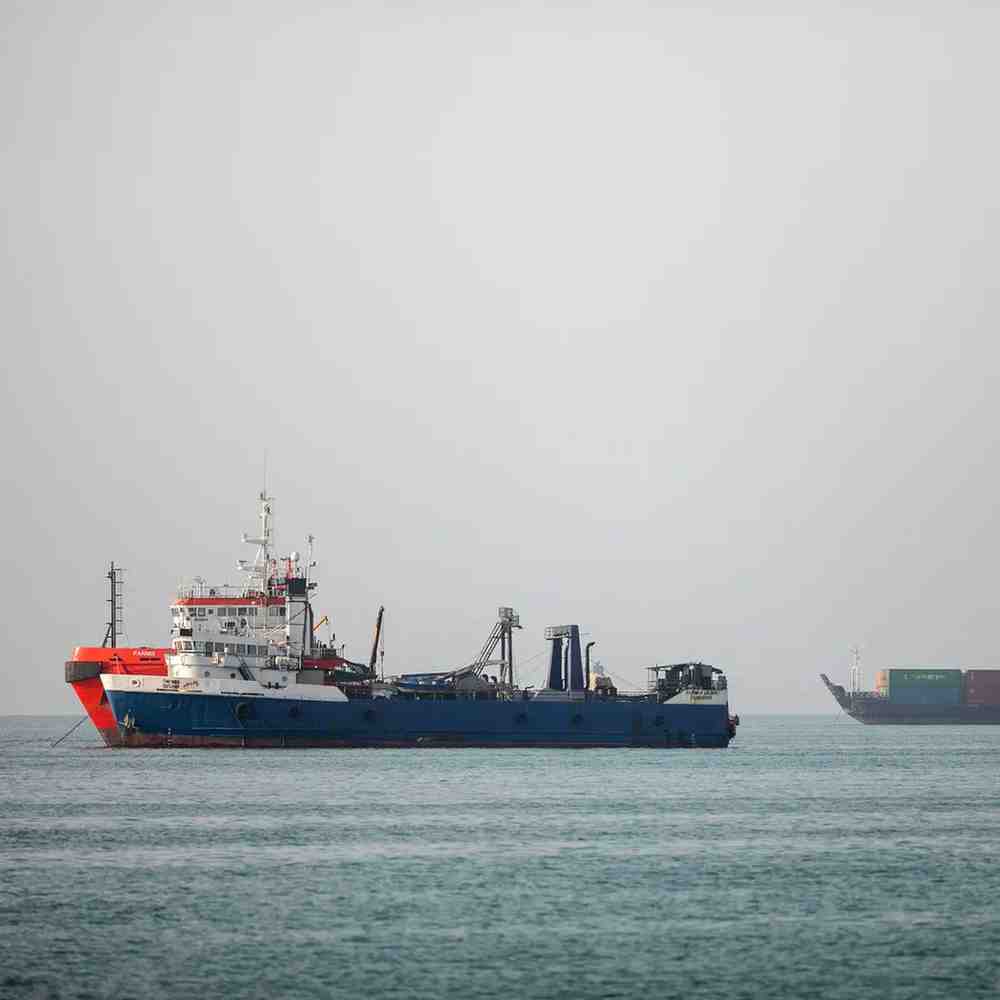
The commercial vessel, reportedly sailing under the Singapore flag, was struck by a drone while passing through the Strait of Hormuz near the Omani coast. The attack caused damage to the ship, although there were no immediate reports of fatalities among the crew. The incident disrupted shipping activity and heightened fears over the security of international trade through the narrow waterway.
US officials stated that protecting commercial shipping remains a key priority and warned that attacks on civilian vessels would invite a military response. Washington maintained that its action was intended to deter further aggression rather than expand the conflict.
Iran Condemns US Action
Iran strongly condemned the American strikes, describing them as an unjustified act of aggression. Iranian authorities argued that the United States had violated the ceasefire by launching attacks on Iranian territory and rejected allegations that Tehran was responsible for breaching the agreement.
The Islamic Revolutionary Guard Corps (IRGC) later announced that it had launched retaliatory strikes against US military sites in the Gulf region. Iranian state media quoted the force as warning that any further American military action would be met with a broader and stronger response.
Diplomatic Efforts Under Pressure
The latest exchange has cast uncertainty over ongoing diplomatic efforts aimed at preventing a wider regional conflict. Recent negotiations involving US and Iranian representatives, supported by regional mediators, had raised hopes of easing tensions after months of confrontation.
However, the renewed military exchanges have complicated those efforts. Analysts believe that maintaining the ceasefire will become increasingly difficult if both sides continue to respond militarily to perceived provocations.
Strait of Hormuz Remains a Global Flashpoint
The Strait of Hormuz remains one of the world’s most strategically important waterways, serving as a major route for global oil and natural gas shipments. Any disruption to navigation through the passage has immediate implications for international energy markets and global trade.
Following the cargo ship attack, several shipping companies reportedly reassessed their operations in the region, while maritime authorities increased security measures. Commercial traffic slowed temporarily before gradually resuming under heightened vigilance.
Oil Markets React
Global energy markets reacted swiftly to the developments. Oil prices experienced renewed volatility as investors assessed the possibility of further military escalation in the Gulf region. Although prices had declined earlier in the week, confirmation of the US retaliatory strikes pushed crude prices higher in after-hours trading amid fears of possible disruptions to oil supplies.
Market experts noted that while no major supply interruptions have occurred so far, prolonged instability in the Strait of Hormuz could significantly impact global energy prices and shipping costs.
International Concern Grows
Governments across the world are closely monitoring the rapidly evolving situation. Several countries have reiterated the importance of maintaining freedom of navigation and called on both Washington and Tehran to exercise restraint.
Security analysts warn that any further escalation could increase risks not only for military forces in the region but also for commercial shipping, international trade, and energy security.
Outlook
The latest military exchanges have once again highlighted the fragile nature of peace efforts in the Middle East. While both sides continue to defend their actions as necessary responses, the situation remains highly volatile.
Diplomatic observers believe the coming days will be crucial in determining whether negotiations can resume or whether the conflict enters a new and more dangerous phase. With strategic waterways, regional security, and global energy markets all at stake, the international community is expected to intensify calls for dialogue and de-escalation.