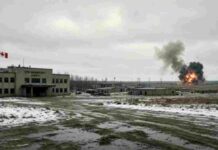
Iran’s Chabahar Port has become the latest flashpoint in the escalating conflict between the United States and Iran, after American forces launched fresh strikes on critical infrastructure around the port and other strategic locations linked to the Strait of Hormuz. The latest military action has intensified fears of a broader regional conflict, with Iran responding through missile attacks aimed at several US-allied countries in the Gulf.
US Targets Strategic Infrastructure
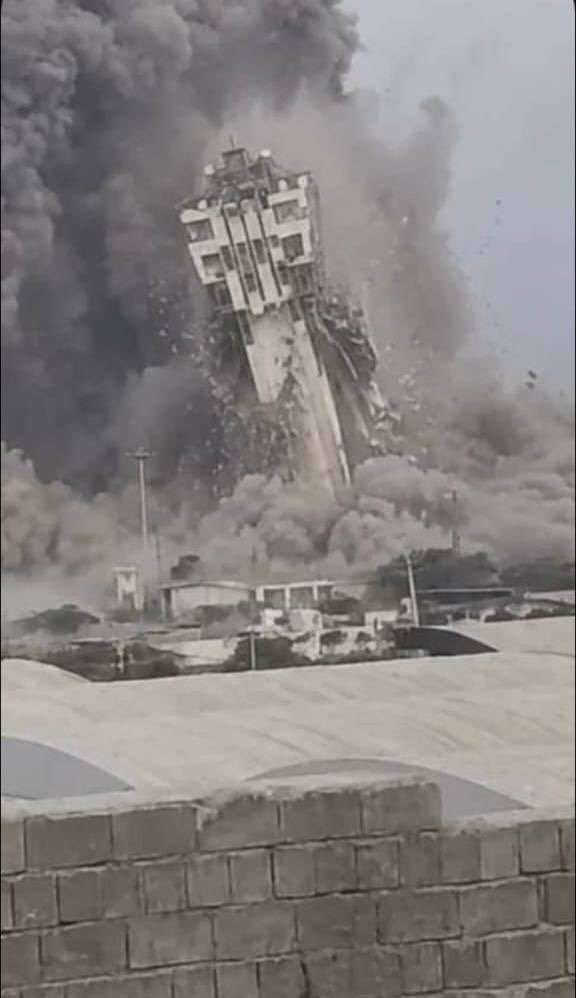
According to multiple international reports, the latest wave of US airstrikes focused on transportation and surveillance infrastructure in southern Iran. Among the key targets was a surveillance tower at Chabahar Port, a vital commercial gateway on the Gulf of Oman, along with bridges and transport links believed to support military logistics.
The strikes are part of Washington’s broader campaign to weaken Iran’s operational capabilities and reduce its ability to influence maritime traffic through the Strait of Hormuz, one of the world’s most critical energy corridors.
US officials have maintained that the operations are intended to limit Iran’s military reach while ensuring freedom of navigation through international shipping lanes.
Chabahar Port Comes Under Attack
Satellite images and local reports indicate significant damage to parts of Chabahar Port, including a prominent tower used for surveillance and monitoring activities. While the port remains operational in some areas, the attack marks one of the most significant strikes on Iranian commercial infrastructure since the conflict escalated.
Iranian authorities acknowledged that several facilities suffered damage but stated that emergency teams had begun restoration work. The strikes also reportedly affected nearby power infrastructure, adding to electricity shortages already impacting parts of the country.
Iran Launches Retaliatory Missile Attacks
Shortly after the American strikes, Iran launched missiles and drones targeting military installations and strategic locations in several Gulf countries allied with the United States.
Reports indicate attacks or attempted attacks involving Qatar, Bahrain, Kuwait, and other regional locations where US military assets are stationed. Air defence systems intercepted many incoming projectiles, although some infrastructure damage was reported.
Iran described the attacks as a response to what it called repeated violations of its sovereignty by the United States.
Strait of Hormuz Remains Global Flashpoint
The Strait of Hormuz continues to remain at the centre of the crisis. Nearly one-fifth of the world’s oil shipments normally pass through this narrow maritime route, making any disruption a major concern for global energy markets.
Military operations by both sides have significantly affected commercial shipping. Several shipping companies have altered routes or delayed voyages due to security concerns, while insurers have raised premiums for vessels entering the region.
Analysts warn that any prolonged disruption could affect oil prices, fuel costs, and international trade across Asia, Europe, and the Middle East.
Rising Regional Tensions
The conflict has expanded beyond direct US-Iran confrontation, with neighbouring Gulf nations facing increasing security risks. Governments across the region have strengthened air defence systems and heightened military readiness amid fears of additional missile attacks.
Diplomatic efforts to prevent further escalation continue, but repeated military exchanges have complicated attempts to restore stability. International observers have expressed concern that continued attacks could draw more regional actors into the conflict.
Also Read: Bengaluru–Ahmedabad IndiGo Flight Faces Hoax Bomb Threat, FIR Filed
Several countries have also advised commercial vessels and airlines to exercise caution while operating near the Gulf and surrounding airspace.
International Concern Grows
The latest escalation has triggered renewed calls for restraint from the international community. Governments and global organisations are urging both Washington and Tehran to avoid actions that could further destabilise the Middle East.
Energy markets remain highly sensitive to developments in the Strait of Hormuz because of its importance to global oil and liquefied natural gas exports. Any sustained military activity near the waterway could have significant economic consequences worldwide.
Despite ongoing military operations, diplomatic channels remain active, with several countries attempting to mediate between the two sides. However, no breakthrough has yet been announced.
The latest American strikes on Chabahar Port and surrounding infrastructure represent a major escalation in the US-Iran confrontation. Iran’s swift missile response demonstrates that the conflict is unlikely to subside in the immediate future.
As military operations continue around the Strait of Hormuz, the risk of wider regional instability remains high. Governments, shipping companies, and energy markets around the world will be closely monitoring developments as both sides continue to exchange military action while diplomatic efforts struggle to gain momentum.
Click here to join our WhatsApp Channel for real-time news updates and exclusive coverage.