
The United States and Iran appear to be moving through another critical phase in their strained relationship, with fresh diplomatic efforts emerging alongside sharp disagreements over whether formal negotiations are actually underway. While US President Donald Trump has declared that discussions with Tehran have begun, Iranian officials insist that no direct talks with Washington are taking place, underscoring the deep mistrust that continues to define relations between the two countries.
Trump Calls Talks Iran’s ‘Last Chance’
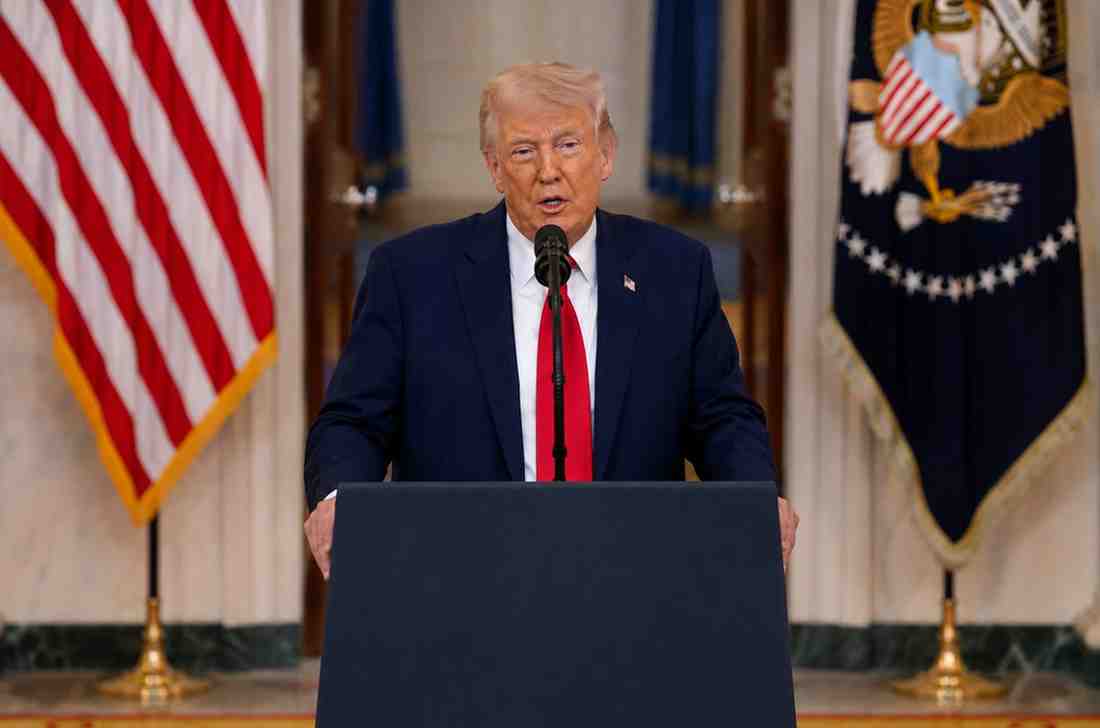
President Donald Trump said the United States is engaged in discussions with Iran, describing the current diplomatic window as Tehran’s “last chance” to reach an agreement before facing more severe consequences. Speaking at the White House, Trump maintained that negotiations were progressing and urged Iranian leaders to accept what he described as a favorable deal.
The US President also warned that military options remain available if diplomacy fails. His remarks suggested that Washington is prepared to intensify pressure should negotiations collapse, although he emphasized that diplomacy remains the preferred path at present.
Iran Rejects Claims of Direct Negotiations
Iran swiftly dismissed Trump’s statements, with Foreign Ministry spokesperson Esmaeil Baghaei stating that Tehran is not conducting direct negotiations with the United States.
According to Iranian officials, discussions are currently limited to Oman and concern maritime arrangements related to the Strait of Hormuz rather than broader political or nuclear negotiations with Washington.
Tehran reiterated that it remains deeply skeptical of US intentions, arguing that any future engagement would require Washington to honor previous commitments and agreements before expecting further diplomatic progress.
Strait of Hormuz Remains Central to Diplomacy
The strategic Strait of Hormuz continues to be one of the key issues in the ongoing diplomatic efforts.
The narrow waterway carries a significant share of global oil shipments, making stability in the region vital for international energy markets. Reports indicate that mediators are working to establish secure maritime routes while seeking broader confidence-building measures between Washington and Tehran.
Trump expressed optimism that movement through the Strait could resume soon if diplomatic efforts succeed, although Iranian officials have not publicly confirmed such expectations.
Regional Mediators Continue Behind-the-Scenes Efforts
Several regional countries are reportedly playing active roles in encouraging dialogue between the two sides.

Saudi Arabia, Qatar, the United Arab Emirates and Oman have all been mentioned as important intermediaries attempting to reduce tensions and prevent further military escalation.
Diplomatic sources suggest these countries are encouraging both Washington and Tehran to maintain communication channels despite continuing disagreements over security, sanctions and regional influence.
Markets Respond to Diplomatic Signals
Global financial markets reacted positively to the possibility of renewed diplomacy.
International crude oil prices declined sharply after Trump’s announcement that planned military action had been postponed in favor of negotiations. Investors interpreted the developments as a sign that immediate conflict could be avoided, easing concerns over disruptions to global energy supplies.
However, analysts caution that market optimism could quickly reverse if diplomatic efforts fail or military tensions return.
Trust Deficit Continues to Challenge Peace Efforts
Despite the renewed diplomatic messaging, the trust gap between Washington and Tehran remains substantial.
Also Read: Historic Supreme Court Verdict Empowers Women In Long-Term Live-In Relationships
Iranian officials continue to argue that previous agreements were not fully respected by the United States, making new commitments difficult without concrete guarantees.
Meanwhile, the United States insists that Iran must address concerns related to regional security, maritime navigation and broader strategic issues before any lasting agreement can be reached.
The conflicting public statements from both governments highlight how fragile the current diplomatic environment remains.
The latest developments have attracted close attention from governments, financial institutions and international observers.
A breakthrough in negotiations could significantly reduce geopolitical risks across the Middle East, stabilize global energy markets and open the door for broader regional diplomacy.
Conversely, failure to bridge existing differences may once again raise fears of military confrontation, with potentially serious consequences for regional security and the global economy.
For now, diplomatic channels remain open, even as both Washington and Tehran continue to present sharply different narratives about the status of negotiations. The coming days are expected to determine whether recent diplomatic momentum evolves into meaningful progress or gives way to renewed confrontation.
Click here to join our WhatsApp Channel for real-time news updates and exclusive coverage.