
WASHINGTON: Iran has once again become the focal point of a major political battle in the United States after the US Senate passed a resolution seeking to limit President Donald Trump’s ability to engage in future military action against Tehran without prior approval from Congress.
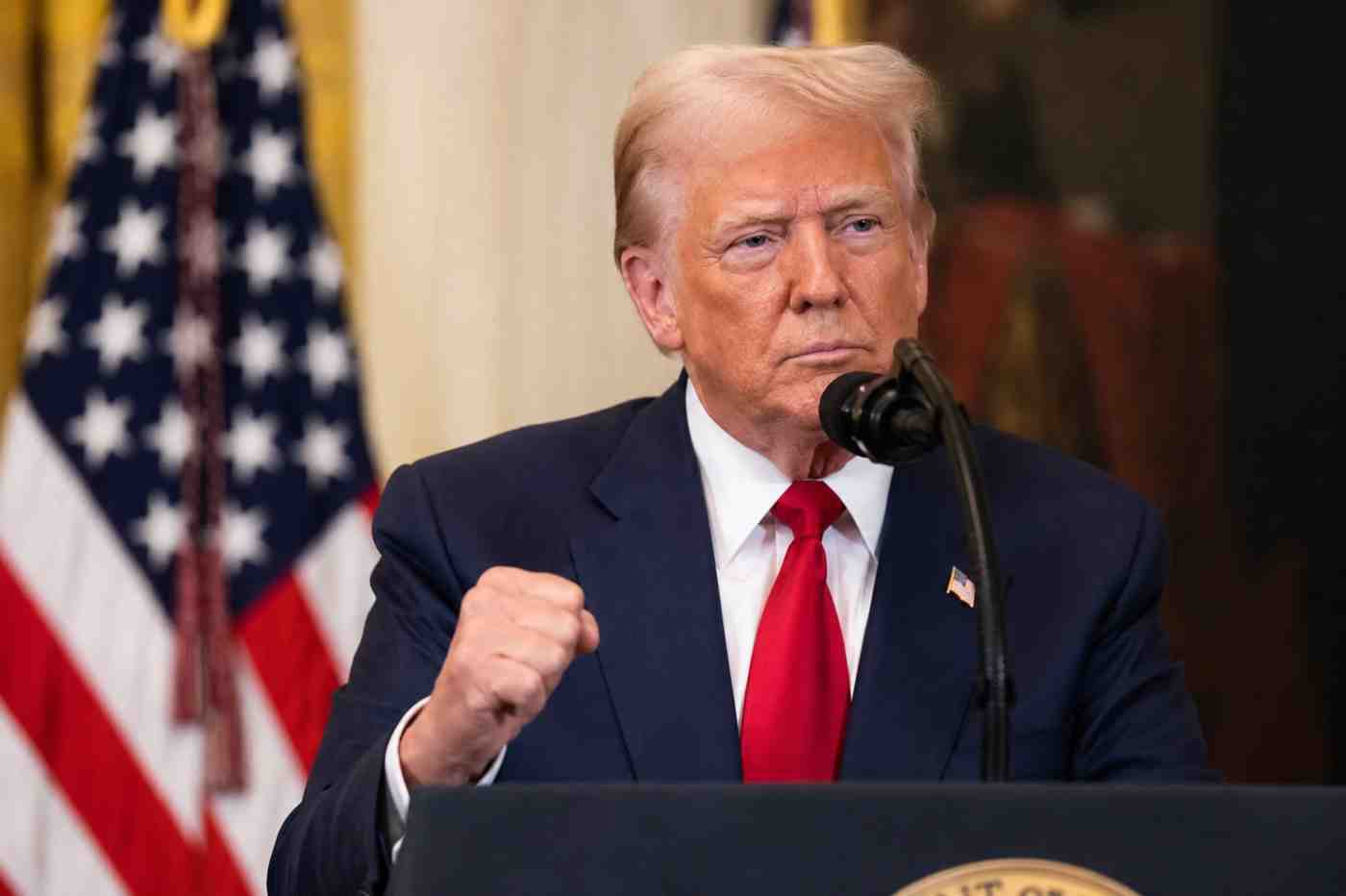
The Senate’s decision triggered an immediate and strong reaction from Trump, who accused lawmakers of undermining his administration’s foreign policy strategy at a crucial time. Taking to his social media platform, Truth Social, the US president said the vote had made his job more difficult and weakened America’s negotiating power while efforts involving Iran were still underway.
The resolution, which received bipartisan support, reflects growing concerns among lawmakers about expanding military involvement in the Middle East and the need to reassert Congress’ constitutional authority over decisions related to war.
Senate Pushes Back On Presidential War Powers
The measure aims to prevent future prolonged military hostilities involving Iran unless Congress formally authorises such action. Exceptions would only apply if there is an immediate threat to the United States, its armed forces or its allies.
Several senators argued that decisions involving military engagement should not be left entirely in the hands of the executive branch. They maintained that Congress has a constitutional responsibility to decide when the country enters armed conflict.
The vote also highlighted rare divisions within Trump’s Republican Party, as a handful of Republican senators joined Democrats in supporting the resolution.
Trump Says Move Weakens America’s Position Against Iran
Responding to the development, Trump expressed frustration and insisted that his administration had successfully increased pressure on Iran.
He argued that Tehran was already facing significant economic and diplomatic challenges and that the Senate’s actions could provide an advantage to Iranian negotiators.
According to Trump, displaying internal political divisions during delicate international discussions could weaken Washington’s bargaining power.
He also suggested that lawmakers were interfering in an issue that directly affects national security and foreign policy negotiations.
Iran Remains A Major Global Flashpoint
Tensions between the United States and Iran have remained high for years, driven by disagreements over Iran’s nuclear programme, sanctions, regional influence and support for armed groups across the Middle East. Successive US administrations have adopted different approaches towards Tehran, ranging from diplomatic engagement to economic sanctions and military deterrence.
Trump has consistently advocated for a tougher stance, arguing that maximum pressure is necessary to prevent Iran from expanding its influence throughout the region. At the same time, diplomatic channels have remained active as both sides attempt to avoid a broader military confrontation.
Congress Reasserts Its Constitutional Authority
Political observers say the Senate vote is not only about Iran but also about the broader balance of power between Congress and the presidency. Under the US Constitution, Congress possesses the authority to declare war, while presidents have traditionally exercised significant control over military operations as commander-in-chief.
Over the years, lawmakers from both political parties have repeatedly raised concerns that successive presidents have expanded military authority without sufficient oversight. The latest resolution is viewed as another attempt to restore Congressional influence over major military decisions.
Bipartisan Support Signals Growing Concern
The bipartisan nature of the vote demonstrates increasing concern among American lawmakers regarding another possible prolonged conflict in the Middle East.
Many senators have cited public fatigue over decades of overseas military engagements and have called for greater transparency before committing US forces to future conflicts.
Supporters of the measure believe any escalation involving Iran could have serious consequences not only for the United States but also for global energy markets, international trade and regional stability.
Symbolic Yet Politically Significant
While the resolution carries substantial political weight, analysts note that its immediate practical impact may be limited. The White House still retains significant authority over urgent military responses, and legal debates surrounding presidential powers are likely to continue.
However, the vote sends a clear message that many lawmakers want a stronger voice in decisions involving war and foreign intervention. It also serves as a reminder that domestic political divisions can directly influence international diplomacy.
Global Attention On US-Iran Relations
Countries around the world continue to closely monitor developments between Washington and Tehran due to their far-reaching consequences. Any major escalation could affect oil prices, global financial markets and security dynamics across the Middle East.
International allies have repeatedly encouraged both nations to pursue diplomatic solutions rather than military confrontation. Diplomatic efforts remain fragile, and political disagreements within the United States could further complicate negotiations in the coming months.
A Debate That Is Far From Over
The latest clash between the White House and Congress has reignited a longstanding debate about how much authority an American president should have when it comes to military action.
For Trump, the Senate vote represents an obstacle that could undermine ongoing pressure tactics against Iran. For lawmakers supporting the measure, it is a necessary effort to preserve constitutional checks and balances.
As discussions continue, Iran remains at the centre of one of the most significant foreign policy debates in the United States, with both domestic politics and international diplomacy shaping the next phase of relations between Washington and Tehran.