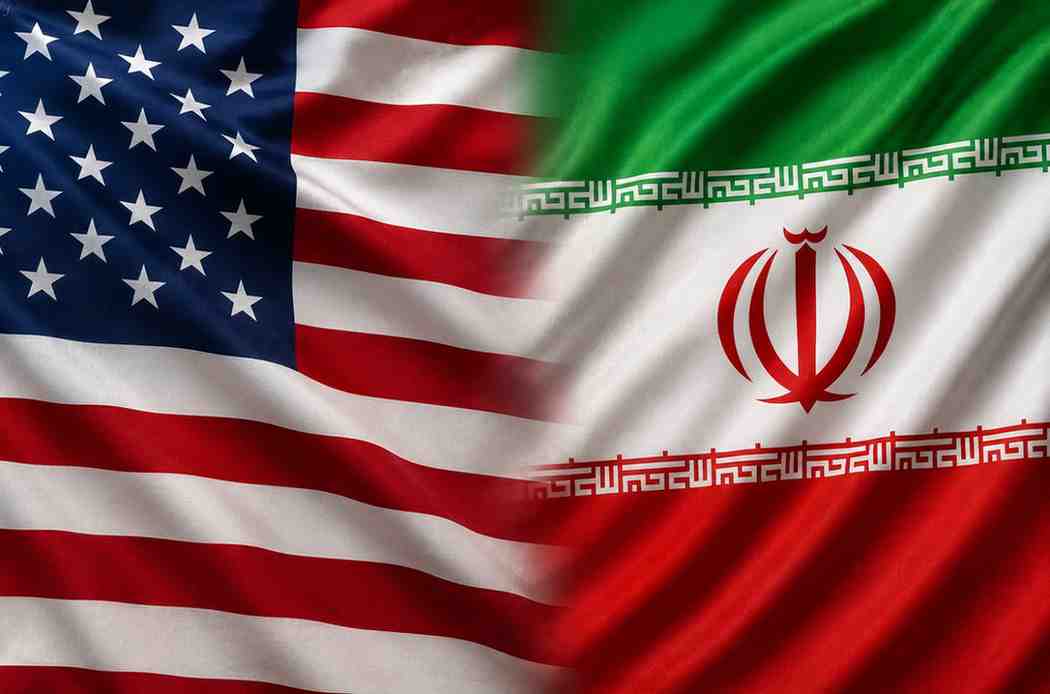
Senior United States (US) and Iranian officials are heading to Switzerland for a fresh round of high-stakes negotiations that could determine the future of regional stability, Iran’s nuclear programme, and broader Middle East security dynamics. The diplomatic initiative comes at a sensitive time, with recent tensions involving Israel and Hezbollah threatening to derail fragile efforts toward de-escalation.
The proposed talks are expected to bring together key representatives from both sides, including Steve Witkoff representing the United States and Abbas Araghchi from Iran. Switzerland has once again emerged as a neutral venue for delicate negotiations due to its long-standing diplomatic role between adversarial nations.
Why These Talks Matter
The negotiations aim to address one of the world’s most complicated geopolitical disputes: Iran’s nuclear ambitions and the security concerns of the United States and its allies.
The immediate focus will likely include:
- Establishing a framework for future nuclear negotiations.
- Preventing further escalation in Lebanon and the broader Middle East.
- Maintaining stability in critical energy corridors.
- Building confidence between two countries that have remained adversaries for decades.
- Ensuring regional conflicts do not trigger a larger international crisis.
Reports indicate that Qatar is also playing an important mediating role. Mohammed bin Abdulrahman Al Thani has already reached Switzerland to facilitate diplomatic engagement between the two sides.
Talks Delayed By Regional Violence
The diplomatic effort faced an early setback after escalating clashes between Israel and Hezbollah created uncertainty around the schedule.
Originally, senior delegations were expected to meet earlier this week, but travel plans were adjusted after security concerns intensified. There were also reports that US Vice President JD Vance postponed his participation amid the volatile security environment.
However, a temporary ceasefire between Israel and Hezbollah has reopened a narrow diplomatic window, allowing negotiators to resume preparations.
Nuclear Issue Remains The Biggest Obstacle
At the centre of the discussions is Iran’s nuclear programme.
Washington continues to insist on stronger safeguards to ensure Tehran cannot develop nuclear weapons. Iran, meanwhile, has repeatedly stated that its nuclear programme is intended for peaceful purposes and has resisted demands that it completely abandon uranium enrichment activities.
Several unresolved issues remain:
Uranium Enrichment
The United States wants strict limitations and enhanced monitoring mechanisms.
Sanctions Relief
Iran seeks broader economic relief and the removal of long-standing sanctions.
Regional Militias
Washington wants Tehran to reduce support for armed groups operating across the Middle East.
Maritime Security
Safe passage through the Strait of Hormuz remains a major global concern due to its importance for energy supplies.
Why Switzerland Is Becoming A Diplomatic Lifeline
Switzerland’s selection is strategic rather than symbolic. The country has decades of experience facilitating confidential negotiations between nations that do not maintain direct trust. Hosting talks away from regional conflict zones also lowers immediate political pressure on negotiators.
These discussions indicate both countries recognise that military confrontation alone cannot produce a sustainable solution. For the United States, diplomacy helps avoid another prolonged conflict in the Middle East while protecting energy markets and global economic stability.
For Iran, negotiations offer an opportunity to ease sanctions pressure and reduce international isolation. At the same time, neither side wants to appear politically weak at home, making compromise extremely difficult.
Therefore, experts believe these talks are more about establishing a pathway toward future agreements rather than delivering an immediate breakthrough.
Global Significance Of The Talks
The outcome could have consequences far beyond Washington and Tehran.
Energy Markets
Any reduction in tensions could stabilise oil prices and secure international shipping routes.
Middle East Security
Successful diplomacy could reduce the risk of a wider regional war involving multiple countries.
Global Diplomacy
A positive outcome would reinforce diplomacy as the preferred tool over military escalation.
Impact On Allies
Countries such as Israel, Gulf states, and European nations are closely monitoring developments because any agreement will directly affect their security calculations.
International Economy
Global markets often react sharply to Middle East instability. Progress in negotiations could improve investor confidence worldwide.
What Happens Next?
Officials are approaching the Switzerland meeting cautiously. Expectations for an immediate comprehensive agreement remain low, but both sides appear determined to keep diplomatic channels open.
The coming days will reveal whether these talks become the foundation for a long-term understanding or simply another temporary pause in a decades-long rivalry. One thing is clear, with multiple conflicts intersecting across the Middle East, the stakes for these negotiations have rarely been higher.