
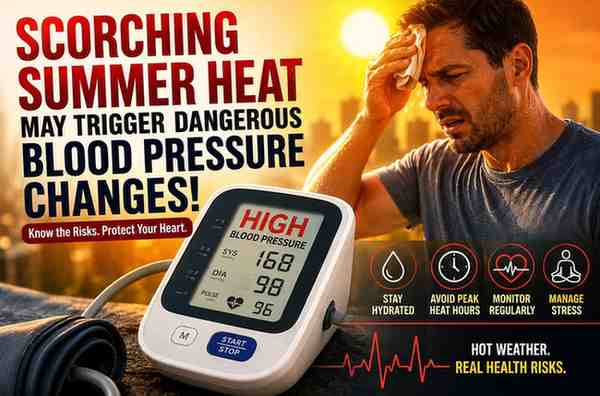
Blood pressure can be significantly affected by extreme summer heat, making it an important health concern as temperatures continue to rise across many parts of the world. Health experts are increasingly warning that prolonged exposure to high temperatures may lead to blood pressure fluctuations, posing additional risks for individuals with heart disease, hypertension, diabetes, and kidney disorders.
While most people associate hot weather with dehydration, sunburn, and heat exhaustion, prolonged exposure to high temperatures can also create significant challenges for the cardiovascular system. For individuals with existing heart conditions, hypertension, diabetes, or kidney disease, these effects can be particularly concerning. Understanding how heat influences blood pressure is essential for staying healthy during the summer months.
Why Summer Heat Affects Blood Pressure
The human body constantly works to maintain a stable internal temperature. During hot weather, one of the body’s primary cooling mechanisms is the dilation of blood vessels, a process known as vasodilation. This allows more blood to flow closer to the skin’s surface, helping excess heat escape into the environment. While this response is beneficial for cooling the body, it can also cause blood pressure to drop significantly.
At the same time, excessive sweating results in the loss of water, sodium, potassium, and other essential electrolytes. If these fluids are not replaced, the body’s total blood volume decreases. A lower blood volume means there is less pressure pushing blood through the arteries, increasing the likelihood of low blood pressure, dizziness, fatigue, and fainting.
When Heat Can Cause Blood Pressure Spikes
Although heat often causes blood pressure to fall initially, the story does not end there. Severe dehydration can force the heart to work harder to maintain circulation. As blood becomes more concentrated and the body struggles to cool itself, stress levels rise. This activates the sympathetic nervous system, commonly called the “fight-or-flight” response.
During this process, the body releases stress hormones such as adrenaline and cortisol, which increase heart rate and can elevate blood pressure. As a result, some individuals may experience unexpected blood pressure spikes, irregular heartbeat, chest discomfort, or severe headaches, especially during prolonged heat exposure or periods of high humidity.
Who Faces the Greatest Risk?
Certain groups are more vulnerable to heat-related blood pressure fluctuations. These include older adults, people with hypertension, heart disease patients, individuals with diabetes, kidney disease sufferers, and those taking blood pressure medications such as diuretics or beta-blockers. Their bodies may have a reduced ability to adapt to rapid temperature changes, making them more susceptible to both dangerously low and unusually high blood pressure levels.
Health professionals also caution that people who work outdoors, athletes, and those who engage in strenuous physical activities during peak heat hours may face an increased risk of cardiovascular stress and dehydration.
Warning Signs You Should Never Ignore
The body often provides early signals when blood pressure is becoming unstable. Symptoms such as persistent dizziness, unusual fatigue, blurred vision, rapid heartbeat, confusion, excessive weakness, severe headache, chest pain, or fainting should be taken seriously. Ignoring these warning signs can increase the risk of heat-related complications and, in extreme cases, medical emergencies.
Anyone experiencing severe symptoms should seek medical attention immediately, especially if they have a history of cardiovascular disease.
How To Protect Your Blood Pressure During Summer
Maintaining healthy blood pressure during hot weather requires a combination of hydration, lifestyle adjustments, and awareness. Experts recommend drinking water regularly throughout the day, even before feeling thirsty. Consistent hydration helps preserve blood volume and supports healthy circulation.
It is equally important to replenish electrolytes through coconut water, buttermilk, lemon water, fresh fruits, and water-rich vegetables. These natural options help restore minerals lost through perspiration and support normal bodily functions.
People should also avoid direct sun exposure during the hottest hours, typically between 12 PM and 4 PM, when temperatures are at their highest. Scheduling outdoor activities and exercise during the early morning or evening can significantly reduce cardiovascular strain. Wearing lightweight, breathable clothing and staying in cool, shaded, or air-conditioned environments can further help the body regulate temperature effectively.
Monitoring Is Key To Prevention
One of the most effective ways to manage summer-related blood pressure changes is through regular monitoring. Keeping a digital blood pressure monitor at home allows individuals to track fluctuations and identify unusual patterns before they become serious. Those taking prescription medications should consult their healthcare providers if they notice persistent changes in their readings, as seasonal adjustments may occasionally be necessary.
A Growing Health Concern In A Warming World
With heatwaves becoming more frequent and intense in many regions, understanding the connection between extreme temperatures and cardiovascular health has never been more important. While summer offers opportunities for outdoor recreation and travel, it also places additional demands on the body. By staying hydrated, recognizing warning signs, avoiding excessive heat exposure, and monitoring blood pressure regularly, people can significantly reduce their risk of heat-related health complications.
The message from health experts is clear: summer heat is more than just a seasonal inconvenience—it can directly affect blood pressure and heart health. Taking preventive measures today can help ensure a safer, healthier, and more comfortable summer for everyone.