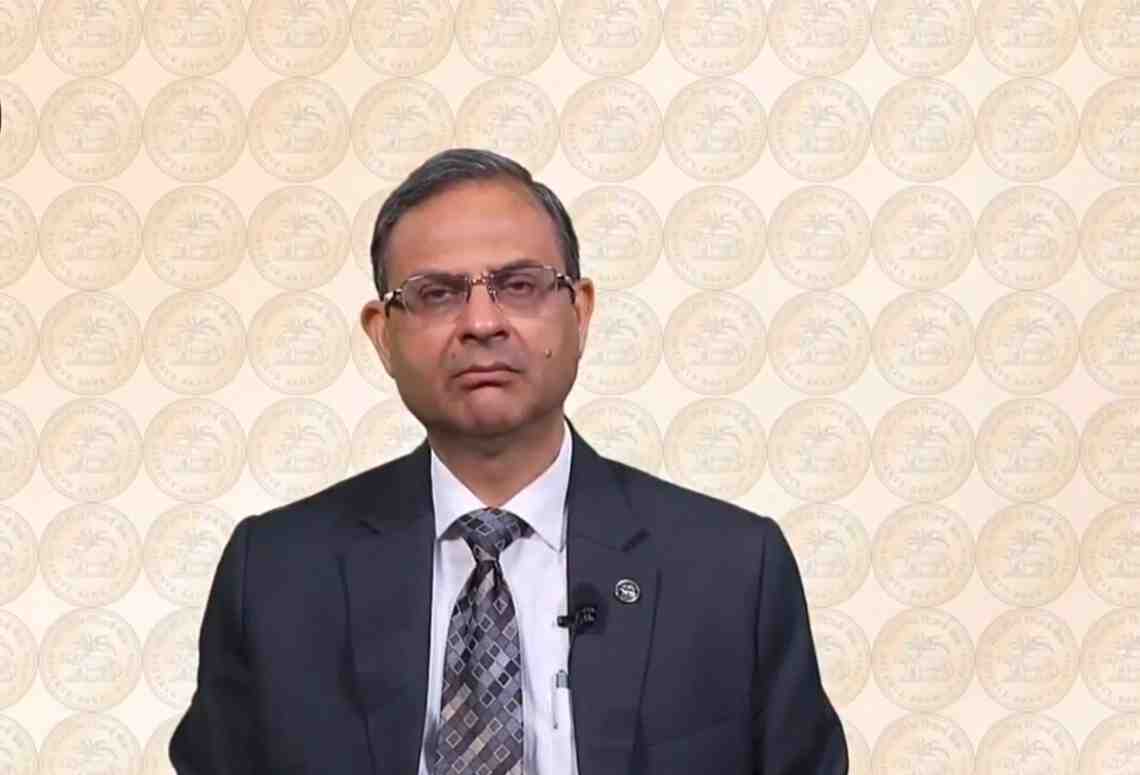
NEW DELHI: India may soon witness a significant transformation in its currency system as the Reserve Bank of India (RBI) evaluates the introduction of polymer banknotes, commonly known as plastic currency notes. RBI Governor Sanjay Malhotra recently confirmed that the proposal is under consideration, although no final decision has been taken and discussions remain at a preliminary stage. The development has renewed interest in a plan that has been debated for more than a decade and could reshape the future of cash transactions in the country.
Polymer banknotes are made from a thin, flexible plastic substrate instead of the traditional cotton-based paper used in most Indian currency notes. Despite being referred to as “plastic notes,” they are lightweight, foldable, and designed for everyday use much like conventional banknotes. Many countries across the world have already adopted polymer currency due to its longer lifespan and improved security features.
According to RBI Governor Sanjay Malhotra, the central bank is carefully studying the feasibility of introducing polymer notes in India. The proposal is being evaluated as part of broader efforts to modernize the country’s currency management system and improve the durability of notes in circulation. While the RBI has not announced a timeline or implementation plan, the confirmation indicates that the idea is receiving serious consideration at the highest levels of the central bank.
One of the primary reasons behind the renewed focus on polymer currency is the rising cost of printing and replacing traditional paper notes. As India’s economy expands and cash demand remains strong, billions of currency notes are printed and replaced every year. Lower denomination notes such as ₹10 and ₹20 often wear out quickly because of frequent handling. Polymer notes can remain in circulation significantly longer than paper notes, reducing replacement costs and improving efficiency.
The durability of polymer notes is considered one of their biggest advantages. These notes are resistant to moisture, dirt, and tearing, making them better suited for diverse climatic conditions. In a country like India, where currency circulates extensively across urban and rural regions, longer-lasting banknotes could reduce logistical and operational burdens associated with printing and distribution.
Security is another major factor driving interest in polymer banknotes. Polymer currency can incorporate advanced anti-counterfeiting measures, including transparent windows, specialized inks, and sophisticated holographic features. These security enhancements make fake note production more difficult and help authorities combat counterfeit currency circulation. RBI officials have repeatedly emphasized the importance of strengthening security features in banknotes as part of efforts to maintain confidence in the financial system.
India’s interest in polymer currency is not entirely new. The concept was first explored more than a decade ago. In 2012, authorities approved a field trial involving polymer ₹10 notes in selected cities representing different climatic conditions. However, the project did not progress to a nationwide rollout because of technological and operational challenges, including issues related to currency handling and compatibility with existing infrastructure.
Since then, technology has advanced considerably. Improved processing systems, upgraded ATM networks, and better currency-handling mechanisms have addressed many of the concerns that limited earlier attempts. These developments have encouraged policymakers to revisit the idea and assess whether polymer notes can now be introduced more effectively.
Globally, more than 60 countries have adopted polymer banknotes either fully or partially. Australia pioneered the technology in 1988 and has since been followed by nations including Canada, the United Kingdom, New Zealand, Singapore, Malaysia, Vietnam, Romania, and Thailand. Many of these countries cite increased durability, lower replacement expenses, and enhanced security as key benefits of the transition.
Experts believe that if the RBI proceeds with the proposal, it is likely to begin with a pilot program involving lower-denomination notes before considering a wider rollout. Such a phased approach would allow authorities to evaluate public acceptance, operational performance, and cost-effectiveness before making a larger commitment.
For now, India’s existing paper currency system remains unchanged, and all current banknotes continue to be legal tender. However, the RBI’s renewed examination of polymer notes highlights the central bank’s willingness to explore innovative solutions to improve currency management. Whether the proposal eventually results in a nationwide transition or remains a pilot initiative, it marks an important step in discussions about the future of cash in India.