
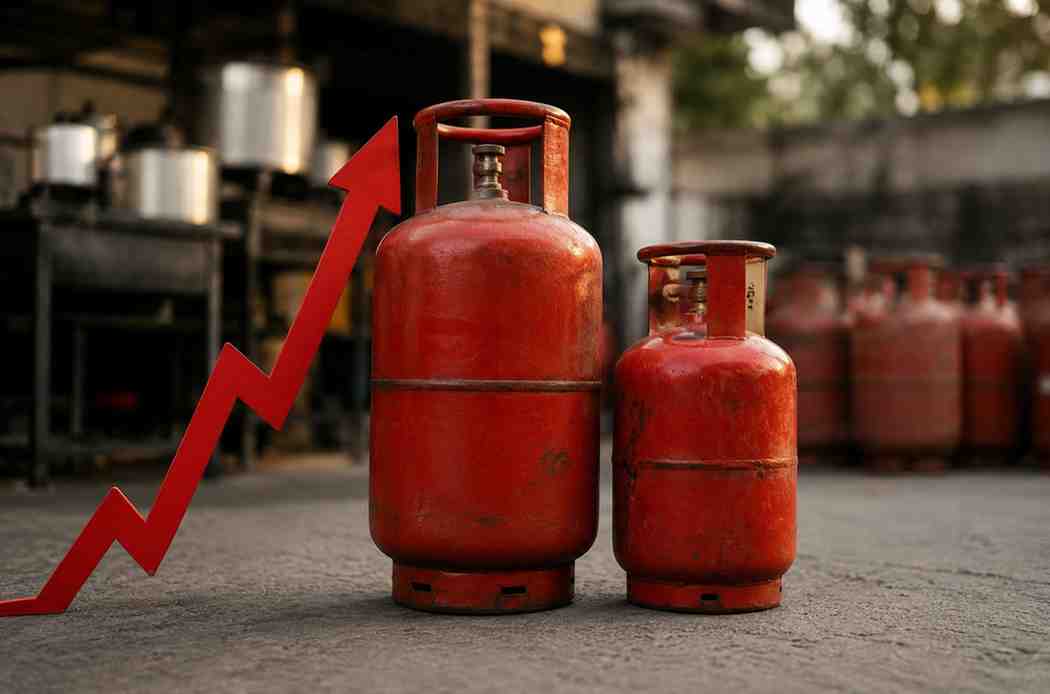
Commercial consumers across India will have to bear higher fuel expenses after oil marketing companies increased the price of commercial LPG cylinders by ₹42 per unit from Monday. The latest revision raises the cost of a 19-kg commercial LPG cylinder in Delhi to ₹3,113.50, up from ₹3,071.50 previously.
While businesses such as hotels, restaurants, caterers and other commercial establishments will be affected by the hike, domestic consumers have received temporary relief. The price of a 14.2-kg LPG cylinder used in household kitchens remains unchanged at ₹913 in Delhi.
The increase comes at a time when global energy markets are witnessing heightened volatility. Concerns over energy supply disruptions have intensified amid escalating tensions in West Asia, particularly involving the United States and Iran. The uncertainty has fueled fears regarding the movement of crude oil and liquefied petroleum gas through the Strait of Hormuz, a critical route for global energy shipments.
India, which imports more than 85 percent of its crude oil requirements, remains highly sensitive to fluctuations in international energy prices. Any disruption or perceived threat to supplies from the Gulf region typically leads to higher crude oil prices, eventually impacting fuel and LPG costs in the domestic market.
Commercial LPG prices have seen a series of significant increases in recent months. Monday’s hike adds to an already substantial rise in fuel expenses for businesses. In May, commercial LPG cylinder rates were sharply revised upward, pushing the Delhi price to ₹3,071.50 per cylinder. Earlier increases of ₹195.50 in April and ₹114.50 in March had already added pressure on commercial users.
Industry observers note that commercial LPG rates are closely linked to international energy trends and are revised more frequently than domestic cooking gas prices. Household LPG pricing is often influenced by government policy decisions aimed at reducing the burden on consumers and maintaining affordability.
The impact of rising global energy costs has not been limited to LPG. Petrol and diesel prices have also witnessed multiple upward revisions in recent weeks. Fuel retailers attributed these increases to higher international crude oil prices and concerns over potential supply disruptions stemming from geopolitical tensions in West Asia.
According to market estimates, petrol and diesel prices in major cities, including Delhi, have risen by nearly ₹5 per litre cumulatively over recent weeks. Higher transportation and logistics costs resulting from increased fuel prices could eventually contribute to inflationary pressures across various sectors of the economy.
Businesses dependent on commercial LPG have expressed concerns over the sustained rise in fuel costs. Industry representatives warn that if the trend continues, many establishments may be compelled to increase the prices of food, hospitality services and other consumer offerings to offset growing operational expenses.
Despite the pressure on commercial users, domestic consumers have been shielded from the latest revision. Household LPG prices have remained unchanged since the last adjustment in March, when cooking gas rates were increased by ₹60 per cylinder.
The differing treatment of commercial and domestic LPG pricing reflects a broader approach in which market-linked rates are applied to commercial consumers, while households continue to receive protection from frequent fluctuations in global energy markets.