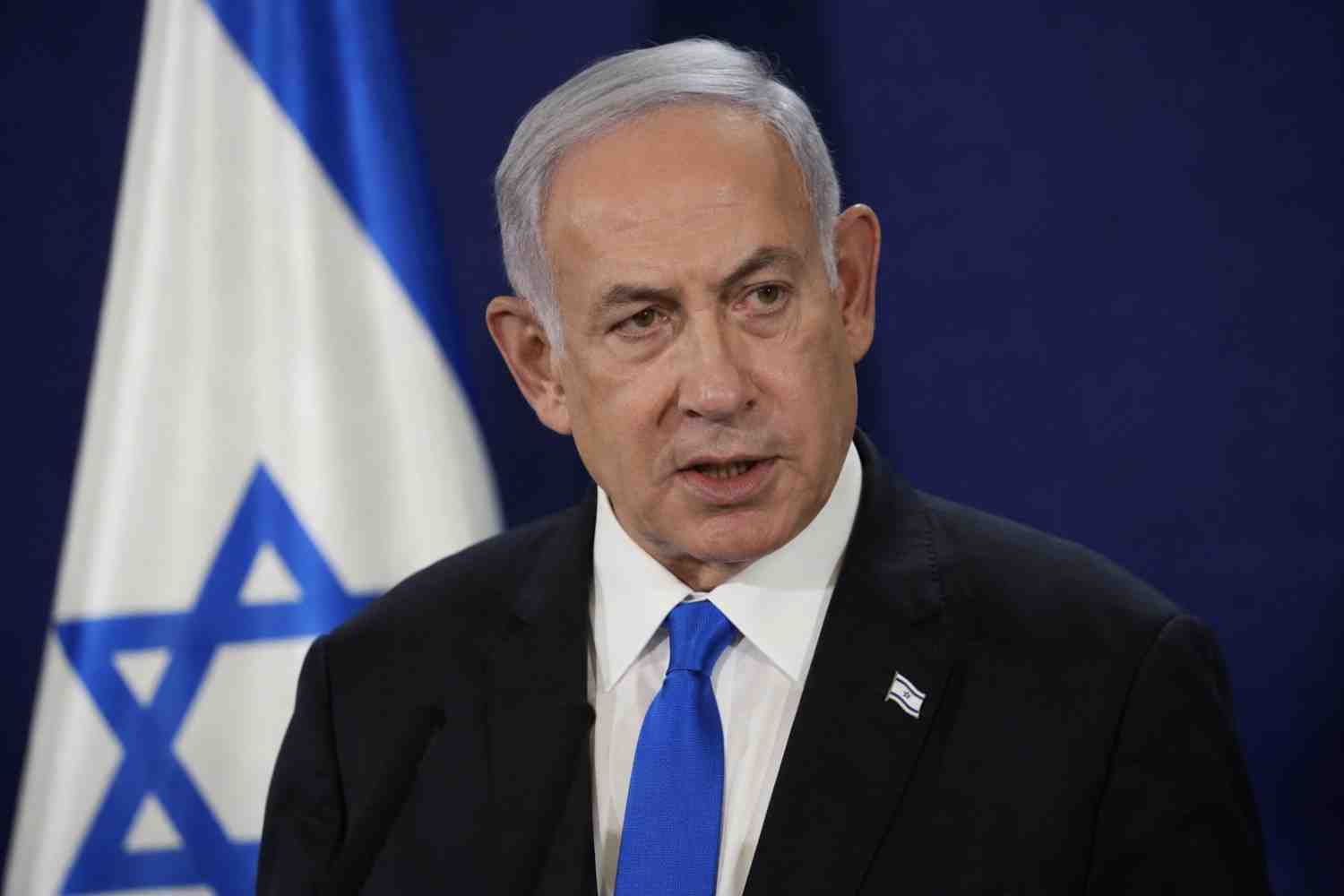
Israeli Prime Minister Benjamin Netanyahu has ordered fresh military strikes on the southern suburbs of Beirut, marking a major escalation in the ongoing conflict between Israel and the Iran-backed Hezbollah movement in Lebanon. The decision comes amid growing cross-border violence, despite international efforts to secure a ceasefire and reduce tensions in the region.
According to Israeli officials, the attacks were launched in response to continued rocket and drone fire from Hezbollah positions targeting northern Israel. The southern suburbs of Beirut, particularly the Dahiyeh district, have long been considered a stronghold of Hezbollah and have frequently been at the center of military confrontations between the two sides.
The latest strikes were ordered following one of the heaviest waves of Hezbollah attacks since an April ceasefire agreement. Israeli authorities stated that repeated violations of the truce left them with no choice but to intensify military operations. Netanyahu and Israeli Defence Minister Israel Katz reportedly authorized both air operations and an expansion of ground activities inside southern Lebanon.
Residents in Beirut’s southern suburbs fled their homes after evacuation warnings and reports of incoming strikes. Witnesses described scenes of panic as families rushed to leave targeted areas. The renewed bombardment has added to an already severe humanitarian situation in Lebanon, where hundreds of thousands of civilians have been displaced by months of fighting.
Israeli forces have also expanded their presence in southern Lebanon. Military officials confirmed that troops seized strategic positions, including the historic Beaufort Castle and nearby elevated terrain, which Israel says are important for preventing Hezbollah attacks against northern Israeli communities. Netanyahu announced that he had instructed the military to deepen its ground manoeuvres in Lebanon to counter what Israel describes as an ongoing threat from Hezbollah.
The conflict has caused significant casualties on both sides. Lebanese authorities report that more than 3,300 people have been killed since the latest phase of hostilities began, while more than one million residents have been displaced. Israel has also reported military and civilian deaths resulting from Hezbollah rocket and drone attacks. Tens of thousands of Israelis living near the Lebanese border have been forced to leave their homes because of security concerns.
International concern has grown as the fighting threatens to destabilize the wider Middle East. France has called for an urgent meeting of the United Nations Security Council, while several European governments have urged both sides to return to diplomatic negotiations. Officials in Paris, London and Berlin have expressed concern that continued military escalation could further undermine regional security and worsen the humanitarian crisis.
The United States is also pushing for a new de-escalation framework. Secretary of State Marco Rubio has held discussions with Israeli and Lebanese leaders in an effort to revive ceasefire talks. The proposed plan reportedly calls for Hezbollah to halt attacks on Israel while Israel refrains from expanding military operations in Beirut and other major Lebanese population centres. However, deep mistrust between the parties continues to hinder progress.
Hezbollah has condemned the latest Israeli strikes and accused Israel of violating ceasefire understandings. The group insists that its actions are defensive and linked to broader regional developments involving Iran and Israel. Meanwhile, Israeli leaders maintain that military action is necessary to protect citizens from ongoing attacks.
With both sides showing little sign of backing down, fears are growing that the conflict could expand further in the coming weeks. Diplomatic efforts remain underway, but continued military operations on the ground and in the air have raised concerns that a wider regional confrontation may become increasingly difficult to avoid.