
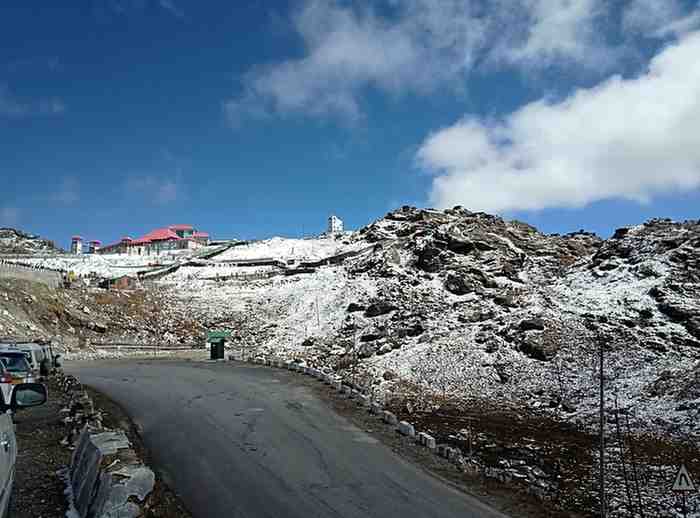
In a major boost for cross-border commerce and regional livelihoods, trade through the historic Nathula Pass in East Sikkim officially resumed on Saturday after remaining suspended for nearly six years. The reopening marks an important milestone for traders, transporters and border communities that have long depended on the route linking India with China’s Tibet Autonomous Region.
The resumption was marked by an official ceremony attended by Indian and Chinese authorities, symbolising a renewed commitment to restoring economic activity along one of the oldest trade corridors in the Himalayas. Nathula, once a vital segment of the ancient Silk Route, has historically served as an important gateway for commerce and cultural exchange between the two neighbouring countries.
Traders Welcome the Move but Seek More Opportunities
While the reopening has been widely welcomed, registered traders have urged both governments to expand the list of goods permitted for cross-border trade. According to traders’ associations, the existing list is too limited to unlock the full economic potential of the border market.

Around 300 traders are currently waiting to receive trade passes, reflecting the strong interest in restarting business after years of uncertainty. Many believe that broadening the range of approved products would generate higher incomes, create employment and improve commercial viability for businesses on both sides of the border.
Business representatives argue that changing market demands require a more modern trade framework, allowing local producers and entrepreneurs to benefit from wider commercial opportunities.
Six Years of Economic Challenges
Border trade through Nathula had remained suspended since 2020 due to the COVID-19 pandemic and subsequent disruptions. The prolonged closure severely affected hundreds of traders, transport workers, warehouse operators and local businesses that relied on seasonal trade.
Many families in Sikkim experienced financial hardship during the shutdown as commercial activity came to a standstill. The reopening is therefore being viewed not merely as the restoration of trade but as a long-awaited opportunity to revive local livelihoods and economic confidence.
Experts believe renewed commercial activity could gradually restore business networks that weakened during the extended closure while encouraging fresh investment in logistics and supporting infrastructure.
Strategic Importance Beyond Commerce
The Nathula Pass holds significance far beyond trade. Situated at an altitude of over 4,300 metres in the Himalayas, it is one of the few officially designated border trading points between India and China. Besides facilitating commerce, the route has strategic, diplomatic and cultural importance.
Also Read: PM Modi Launches ₹18,000 Crore Development Boost To Transform Andhra Pradesh’s Future
The pass has also served as a gateway for the Kailash Mansarovar pilgrimage and has remained an important location for official interactions between Indian and Chinese border authorities. Over the years, it has symbolised efforts to maintain engagement despite broader geopolitical challenges.
Analysts believe the reopening demonstrates the willingness of both countries to continue practical cooperation in selected areas despite wider strategic differences.
Need for Better Infrastructure
Industry representatives have also highlighted the importance of improving infrastructure to maximise the benefits of resumed trade. Better roads, storage facilities, customs procedures and transport services are expected to make border commerce more efficient.
Traders say smoother logistics would reduce transportation costs, minimise delays and increase the competitiveness of products exchanged through the route. Improved infrastructure could also encourage greater participation from businesses across Sikkim and neighbouring regions.
Authorities are expected to closely monitor the reopening process and assess operational challenges before considering further expansion of trade activities.
A Positive Outlook for Border Communities
Residents living near the border have welcomed the development with optimism. Increased commercial movement is expected to support hotels, transport operators, restaurants, small retailers and other local businesses that benefit indirectly from cross-border trade.
Economists believe that if trade volumes steadily increase and the list of tradable goods is expanded, Nathula could once again emerge as a vibrant commercial hub in the eastern Himalayas. The reopening may also strengthen regional connectivity while creating fresh employment opportunities for young entrepreneurs.
For now, traders remain hopeful that the restart of border commerce is only the first step towards a more comprehensive revival. They continue to urge policymakers to modernise trade regulations and broaden market access so that the full economic potential of Nathula Pass can be realised for communities on both sides of the border.
Click here to join our WhatsApp Channel for real-time news updates and exclusive coverage.