
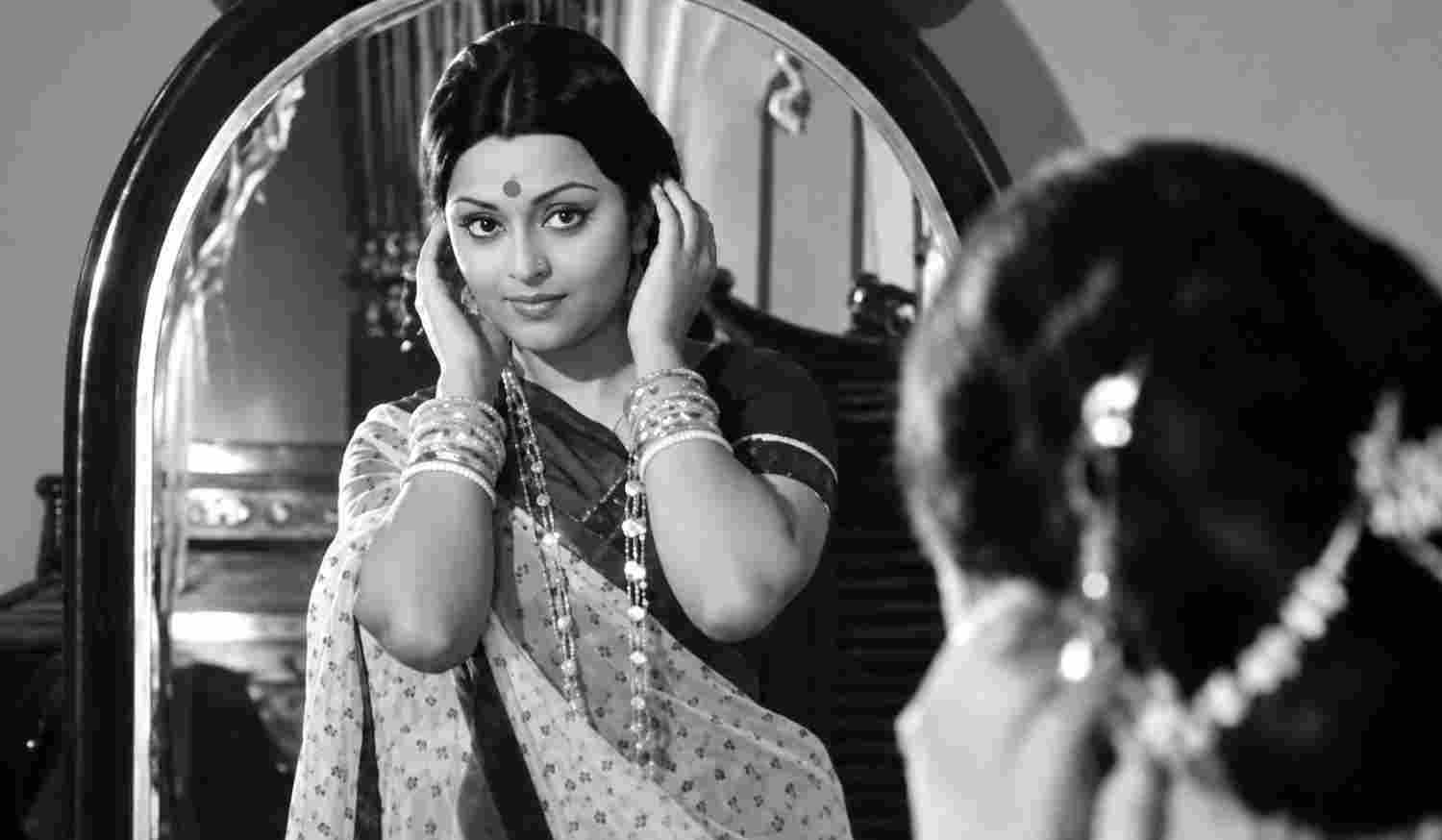
Veteran Bengali actress Mithu Mukherjee, a familiar face of Indian cinema during the 1970s and 1980s, has died at the age of 71. The actress passed away at a private hospital in Mumbai on Sunday night after reportedly battling cancer for nearly a year. Her death has prompted tributes from members of the Bengali film fraternity, including actor Prosenjit Chatterjee.
Mukherjee had largely remained away from the public spotlight in the later years of her life. Despite stepping away from acting decades ago, her performances in several Bengali and Hindi films continued to be remembered by audiences familiar with the cinema of that era.
Mithu Mukherjee’s Early Life and Film Debut
Born in Kolkata in 1955, Mithu Mukherjee entered the film industry at just 17. She made her screen debut in 1972 with filmmaker Chitta Bose’s Bengali film Shesh Parba, where she appeared opposite Shamit Bhanja. Her arrival came at a time when Bengali cinema was producing several influential films and performers.
Her career gained significant momentum with Dinen Gupta’s Marjina Abdulla, in which she played the title character. The film helped establish Mukherjee as a recognised actress and brought her greater attention among Bengali audiences.
A Recognisable Face of Bengali Cinema
During the 1970s and 1980s, Mukherjee became associated with a number of Bengali productions. Her filmography included titles such as Nishikanya, Mouchak, Kabi, Hotel Snow Fox, Pratima, Bandhan, Prarthana, Swayamsiddha and Bhagyachakra, among others.
She also worked with some of the most prominent actors of Bengali cinema of that generation, including Uttam Kumar, Soumitra Chattopadhyay and Ranjit Mullick. Her screen career, although relatively short compared with some of her contemporaries, established her as a memorable performer of the period.
Mithu Mukherjee’s Bollywood Journey
Mukherjee also expanded her career beyond Bengali cinema and entered Hindi films in 1976 with Dulal Guha’s Khaan Dost.

She subsequently appeared in Hindi productions including Safed Jhoot, directed by Basu Chatterjee, as well as Dillagi and Do Ladke Dono Kadke. Her Hindi-film appearances added another dimension to a career that had already established her as a familiar presence in Bengali cinema.
Her ability to work across Bengali and Hindi cinema reflected the broader movement of performers between regional and mainstream Indian filmmaking during that period.
Why Did Mithu Mukherjee Leave Films?
After appearing in Dujane in the 1980s, Mukherjee took an extended break from acting. She later returned to the screen with filmmaker Chandra Barot’s Ashrita in 1990.
The film ultimately became her final screen appearance. Following that project, Mukherjee chose to leave the film industry and maintained a largely private life. She subsequently stayed away from the public eye for many years and was reportedly living in Mumbai.
Her decision to step away from cinema meant that she was rarely seen in public during the later decades of her life. Nevertheless, her earlier work continued to remain part of the memory of Bengali cinema from the 1970s and 1980s.
Prosenjit Chatterjee Pays Tribute
News of Mukherjee’s death led to emotional tributes from the film fraternity. Actor Prosenjit Chatterjee remembered the veteran actress on social media, describing the news of her passing as deeply heartbreaking.
Also Read | 72nd National Film Awards 2026: Anant Nag, Article 370 To Shine On 22 September
He said that her memory and work would continue to live on and offered his respects to the late actress.
The All Indian Cine Workers Association (AICWA) also paid tribute to Mukherjee, highlighting her contribution to Indian cinema and remembering her performances. The organisation expressed condolences to her loved ones and the wider film fraternity.
A Lasting Cinematic Legacy
Mithu Mukherjee’s career spanned Bengali and Hindi cinema and was closely connected with an important period in Indian filmmaking. From her early appearance in Shesh Parba to the recognition she received for Marjina Abdulla, and later work in films such as Mouchak, Swayamsiddha, Khaan Dost and Ashrita, she left behind a filmography that continues to document her contribution to the screen.
Although she eventually chose a life away from the cameras, her performances from her active years remain an important part of the cinematic record of the era.
Mithu Mukherjee’s death at 71 marks the passing of a veteran performer who became part of Bengali cinema’s history during a particularly significant period. As tributes continue to emerge, her films and characters are likely to remain the enduring link between her work and generations of viewers who remember her on screen.
Click here to join our WhatsApp Channel for real-time news updates and exclusive coverage.