
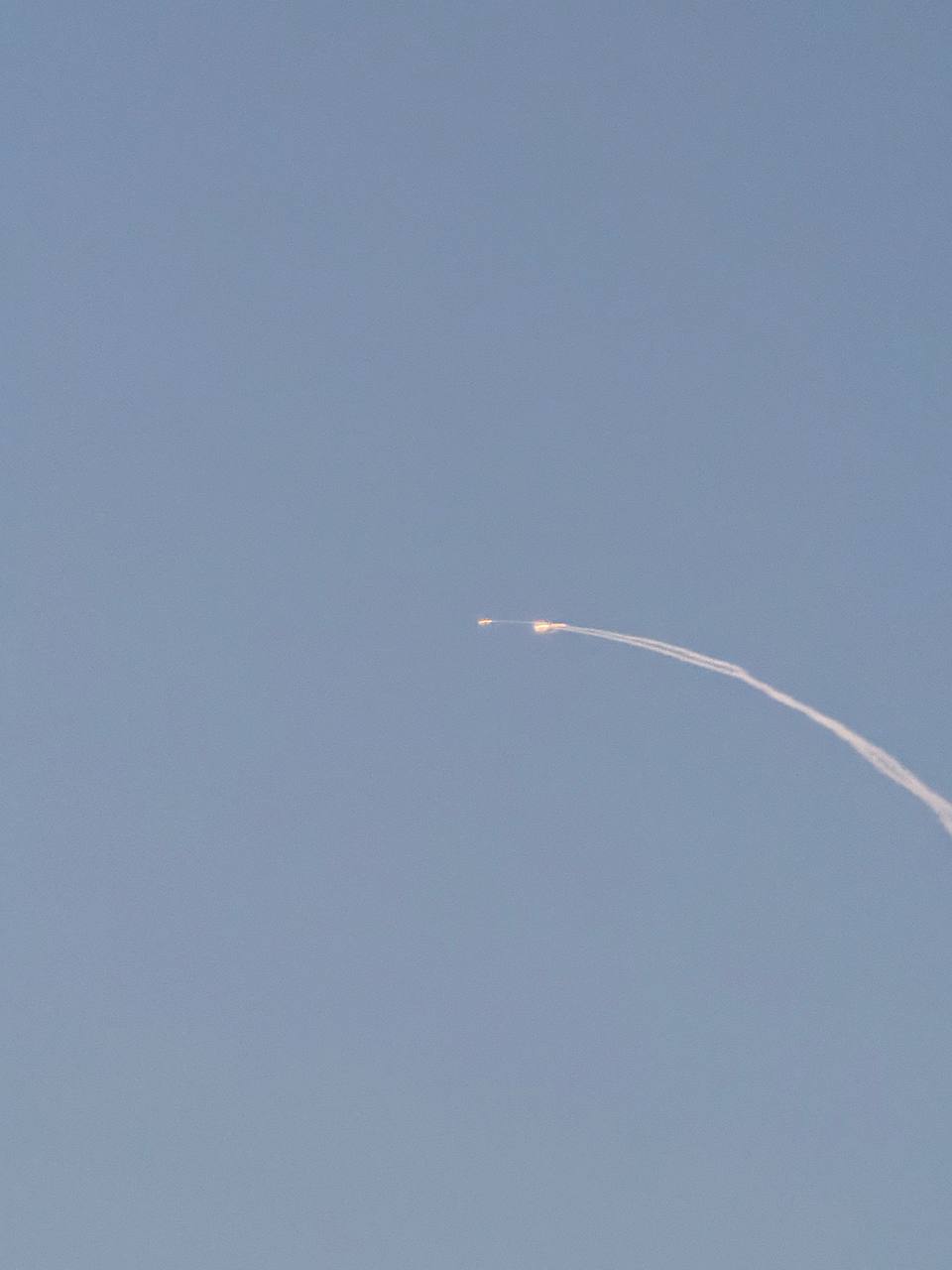
Kuwait’s air defense forces successfully intercepted multiple missiles and drones on Saturday as fresh hostilities erupted across the Gulf region, just days after a deadly attack on Kuwait International Airport that killed one person and injured dozens. The latest incident has heightened concerns about regional security and raised fears of a wider escalation involving Iran, the United States, and several Gulf nations.
According to Kuwaiti military authorities, air defense systems were activated after hostile projectiles entered the country’s airspace. Sirens sounded repeatedly across parts of Kuwait as defense forces engaged incoming threats. Residents reported hearing explosions in the skies as interception operations were carried out. Authorities urged citizens and residents to remain calm and follow official safety instructions while emergency response teams remained on alert.
The attacks came amid renewed tensions between Iran and the United States in the Gulf. U.S. military officials said Iran launched seven ballistic missiles toward Kuwait and neighboring Bahrain. According to U.S. Central Command (CENTCOM), six of the missiles were intercepted while another failed to reach its intended target. Earlier, U.S. forces had reportedly intercepted four Iranian drones that were headed toward the Strait of Hormuz, a strategically important maritime route for global energy supplies.
The missile and drone activity followed U.S. strikes on Iranian coastal radar and surveillance installations. CENTCOM stated that the strikes were conducted after Iranian drones posed what it described as an immediate threat to regional maritime traffic. The exchange of attacks has further strained a fragile ceasefire and ongoing diplomatic efforts aimed at reducing tensions in the region.
Saturday’s incident occurred only days after a deadly strike on Kuwait International Airport. On June 3, missiles and drones struck the airport, causing significant damage to civilian infrastructure and forcing temporary disruptions to air traffic. Kuwaiti authorities reported that one person was killed and several others were injured in the attack. Terminal 1 of the airport suffered extensive damage, prompting airlines to divert flights and authorities to implement emergency safety measures.
Following the airport strike, Kuwait strongly condemned the attack, describing it as a violation of international law and regional stability. The government vowed to take all necessary measures to protect national security and safeguard critical infrastructure. Flight operations were later partially restored after safety assessments were completed, though heightened security remained in place.
The broader regional conflict has intensified over recent weeks, involving missile exchanges, drone attacks, and military strikes across several countries in the Middle East. Bahrain also activated emergency sirens during the latest round of attacks, while regional governments coordinated closely with allied defense forces to monitor developments. Officials have warned that continued escalation could threaten civilian safety, commercial aviation, and maritime trade routes across the Gulf.
International observers are closely watching the situation as diplomatic efforts continue behind the scenes. The United Nations and several global powers have urged restraint and called for renewed dialogue to prevent further deterioration of security conditions. Analysts warn that any prolonged confrontation could have significant economic consequences, particularly for global energy markets that depend heavily on stable shipping routes through the Gulf region.
For now, Kuwaiti authorities say the immediate threat has been contained, with air defense systems proving effective against the latest wave of missile and drone attacks. However, the country remains on high alert as military and political leaders assess the evolving security landscape and prepare for any further escalation in one of the world’s most sensitive geopolitical regions.