
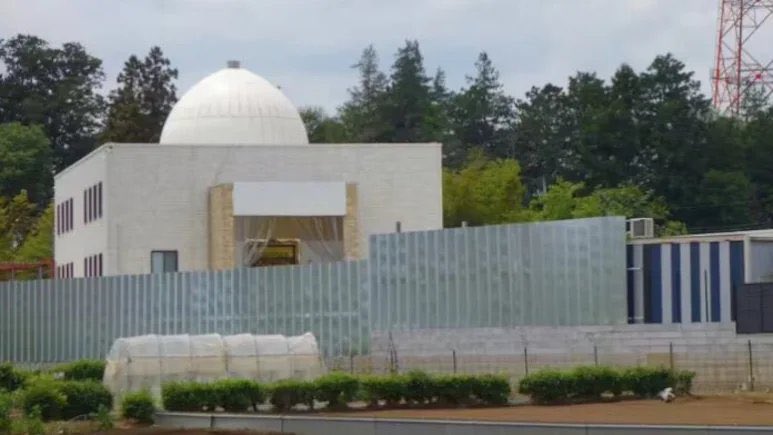
A mosque in Japan’s Saitama Prefecture has become the center of a growing controversy after local authorities determined that the structure was built without the permits required under Japanese law. The mosque, located in Kawagoe City near Tokyo, now faces possible removal following administrative action by city officials.
The issue has attracted international attention because the mosque’s inauguration ceremony was attended by Pakistan’s Ambassador to Japan, Abdul Hameed. Japanese authorities later stated that the building had been constructed in an urbanization control zone where development is generally restricted unless special approval is obtained. According to city officials, the necessary permissions were not secured before construction began.
Reports indicate that the mosque stands on a plot of land classified as forest or mountain land within an area subject to strict planning regulations. Kawagoe authorities have reportedly issued corrective orders and are considering further measures, including the potential demolition of the structure if compliance requirements are not met.
The controversy has also placed Pakistan’s diplomatic mission in Tokyo under scrutiny. Following public criticism, the Pakistani Embassy issued a statement distancing itself from the project and emphasizing that all construction activities in Japan must comply with local laws and regulations. The embassy urged Pakistani nationals living in Japan to obtain all necessary approvals before undertaking mosque or community-building projects.
According to the embassy, Ambassador Abdul Hameed attended the inauguration under the understanding that all legal requirements had been fulfilled. The mission stressed that it was not involved in projects that fail to meet local government regulations and encouraged cooperation with Japanese authorities.
The dispute has sparked debate among residents and community groups in Japan. Local concerns reportedly include both planning compliance and the lack of consultation with nearby residents before the project moved forward. Japanese authorities are known for enforcing strict land-use and zoning regulations, particularly in areas designated for limited development.
While no final demolition decision has been publicly confirmed, the case highlights the importance of adhering to local construction laws and planning procedures. It has also underscored the sensitivity surrounding religious infrastructure projects in areas governed by strict urban development rules.
The outcome of the Kawagoe mosque case is expected to be closely watched by both local residents and immigrant communities in Japan, as authorities continue their review of the matter and determine the next steps regarding the structure’s future.