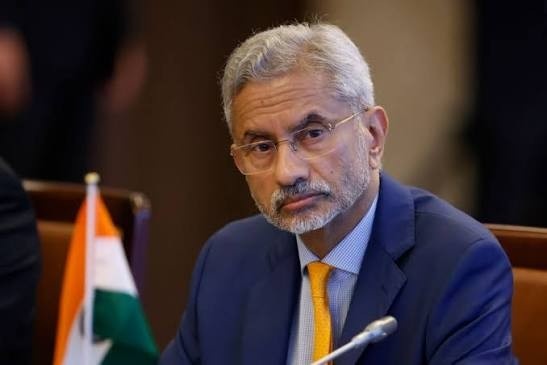
India has stepped up its diplomatic engagement with Iran as External Affairs Minister Dr. S. Jaishankar held a crucial telephone conversation with Iranian Foreign Minister Seyed Abbas Araghchi, urging an immediate end to attacks on commercial shipping and stressing the urgent need to protect civilian seafarers amid rising instability in West Asia. The conversation comes against the backdrop of repeated maritime incidents that have threatened international trade routes and endangered Indian nationals working aboard merchant vessels.
India raises serious concerns over maritime attacks
During the high-level discussion, Jaishankar conveyed India’s deep concern over the deteriorating security environment in the region. He emphasized that commercial shipping should never become a target during conflicts and highlighted the importance of safeguarding international maritime routes that carry a significant share of global trade.
The External Affairs Minister reiterated that the safety of civilian seafarers must remain a top priority and called upon all parties to exercise restraint. His message reflected India’s long-standing position that uninterrupted maritime commerce is essential for regional and global economic stability.
India backs dialogue over confrontation
Jaishankar reaffirmed India’s consistent support for dialogue and diplomacy as the only sustainable path to resolving regional disputes. He stressed that military escalation would only deepen instability and create greater risks for civilians, including thousands of seafarers operating across the Gulf and surrounding waters.
India has repeatedly maintained that peaceful negotiations are the most effective way to restore stability in West Asia. During the call, New Delhi underlined that diplomatic engagement remains essential for preventing further deterioration of the security situation.
Indian seafarers remain a major concern
The latest diplomatic outreach also reflects India’s growing concern for its citizens employed in the international shipping industry. Thousands of Indian sailors work aboard merchant vessels that regularly pass through strategic waterways in West Asia, including the Strait of Hormuz, one of the world’s busiest maritime corridors.
Recent attacks on commercial vessels have resulted in casualties, injuries and missing Indian crew members, prompting the Indian government to intensify diplomatic efforts with countries involved in the conflict. The Ministry of External Affairs has remained in close contact with affected families and continues to monitor developments closely.
Commercial shipping must remain protected
India has consistently argued that attacks targeting merchant vessels not only threaten human lives but also disrupt international trade, energy supplies and global supply chains.
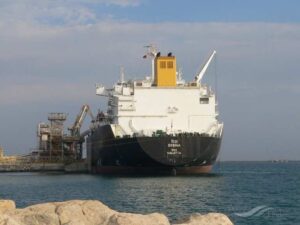
New Delhi has repeatedly called for the protection of commercial shipping in accordance with international maritime law. Officials believe that ensuring safe navigation is critical for maintaining economic stability across the region and beyond.
The latest conversation between Jaishankar and Araghchi reinforces India’s position that civilian infrastructure and commercial vessels should never be drawn into military confrontations.
Part of a broader diplomatic effort
The phone call with the Iranian Foreign Minister is part of India’s wider diplomatic outreach aimed at reducing tensions in conflict-hit regions. Over recent weeks, Jaishankar has engaged with several international counterparts, including Ukraine, while consistently condemning attacks on commercial vessels regardless of where they occur.
Also Read: “Abuses Never Solve Anything”: PM Modi Urges Nation To Guide Misguided Youth
India has maintained a balanced approach by urging restraint from all sides and advocating respect for international law. The government has also raised concerns at multilateral forums about growing threats to maritime security and freedom of navigation.
Global trade depends on secure sea routes
The Strait of Hormuz remains one of the world’s most strategically significant waterways, carrying a substantial portion of global oil and commercial cargo. Any disruption in the region has immediate consequences for international shipping, fuel prices and global markets.
India, as one of the world’s largest energy importers, has a strong interest in ensuring that maritime routes remain open and secure. The safety of Indian seafarers and uninterrupted movement of cargo have therefore become central elements of New Delhi’s diplomatic engagement in the region.
India continues to push for peace
As tensions continue to simmer in West Asia, India is expected to maintain active diplomatic communication with regional stakeholders while closely monitoring developments affecting Indian nationals overseas.
By calling for an immediate halt to attacks on commercial shipping and emphasizing dialogue over confrontation, New Delhi has once again positioned itself as a strong advocate for peaceful conflict resolution and maritime security. Officials believe that protecting civilian lives, ensuring safe navigation and preventing further escalation remain essential for restoring long-term stability across the region.
Click here to join our WhatsApp Channel for real-time news updates and exclusive coverage.