
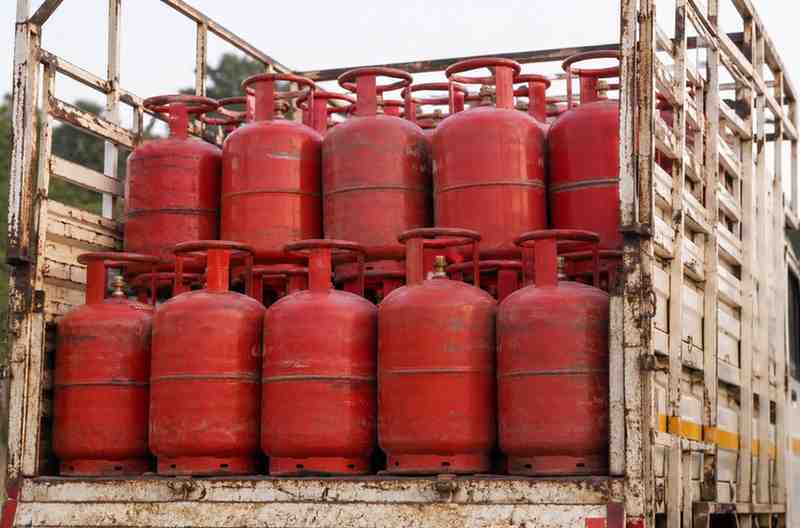
NEW DELHI: Even as international liquefied petroleum gas (LPG) prices have witnessed a sharp rise in recent months, Indian households continue to pay among the lowest cooking gas prices in the world, according to the Ministry of Petroleum and Natural Gas. The government has highlighted that domestic LPG consumers remain protected from global market volatility through a combination of subsidies and policy interventions.
The ministry noted that the Saudi Contract Price (CP), considered a global benchmark for LPG pricing, has increased significantly between February and June 2026. The benchmark rose by nearly 46 percent during this period as disruptions in and around the Strait of Hormuz affected supplies from the Gulf region, leading to tighter availability and higher international prices. Despite these developments, retail LPG prices in India have remained comparatively affordable for consumers.
Officials explained that LPG is largely imported into India, making domestic prices vulnerable to fluctuations in global energy markets. However, the government has continued to absorb a substantial portion of the burden arising from higher import costs. This has helped shield households from the full impact of international price increases and ensured that cooking fuel remains accessible to millions of families across the country.
The ministry emphasized that India’s cooking gas prices compare favorably with those in many developed and developing economies. While consumers in several countries have experienced substantial increases in household fuel expenses due to global energy market instability, Indian consumers have benefited from targeted support measures aimed at maintaining affordability.
According to the government, energy security and consumer welfare remain key priorities. Over the years, India has implemented a range of reforms to improve access to clean cooking fuel, particularly for low-income and rural households. Initiatives such as the flagship LPG connection programme have expanded the reach of clean energy and reduced dependence on traditional fuels like firewood, coal and kerosene. These efforts have contributed to improvements in public health and environmental sustainability.
The ministry also pointed out that global energy markets have remained highly volatile due to geopolitical tensions, supply chain disruptions and regional conflicts. The recent disturbances affecting shipping routes and energy infrastructure in the Gulf region have intensified concerns about fuel availability worldwide. Such developments have pushed up international LPG prices, increasing import costs for major consuming nations.
Despite these pressures, the government has sought to balance fiscal responsibility with consumer protection. Officials stated that maintaining affordable cooking fuel is crucial because LPG is an essential household commodity used by millions of families every day. Any sharp increase in retail prices could have a direct impact on household budgets, particularly among economically vulnerable sections of society.
The ministry further highlighted that India’s approach reflects a broader commitment to ensuring energy access while supporting economic growth. Stable and affordable energy supplies are viewed as an important component of social welfare and national development. Policymakers continue to monitor global market conditions closely and assess measures necessary to safeguard consumer interests.
Experts note that India is one of the world’s largest LPG consumers, with demand continuing to grow due to rising urbanization, improving living standards and expanding access to clean cooking fuel. The country’s dependence on imports for a significant share of its LPG requirements makes international price trends particularly relevant. However, government interventions have played a crucial role in moderating the effect of global price fluctuations on domestic consumers.
The ministry reiterated that ensuring uninterrupted supply and affordability of LPG remains a priority. It added that the government will continue to take necessary steps to support consumers while managing the challenges posed by changing global energy dynamics. As international markets remain uncertain, authorities are expected to maintain close oversight of developments affecting fuel availability and pricing.
In a period marked by rising global energy costs and supply concerns, India’s relatively low cooking gas prices underscore the government’s effort to cushion households from external shocks. The ministry said these measures are helping millions of consumers continue to access clean cooking fuel at affordable rates despite significant increases in international LPG benchmarks.