India has renewed its warning for citizens in Iran as the military confrontation between Israel and Iran continues to escalate, raising fears of a broader regional conflict. In a fresh advisory issued on June 8, the Indian Embassy in Tehran urged Indian nationals to avoid all travel to Iran and advised those already in the country to leave using available transportation options while conditions still permit safe movement.
The advisory comes amid a rapidly deteriorating security environment marked by missile launches, air strikes, and growing uncertainty across the Middle East. Indian authorities are closely monitoring developments as hostilities between Israel and Iran enter a more dangerous phase, with both sides targeting military facilities and strategic infrastructure.
The embassy’s latest notice reflects increasing concern over the safety of Indian citizens living, working, or studying in Iran. Officials have advised nationals to remain vigilant, stay in contact with embassy channels, and make travel arrangements at the earliest opportunity. The warning follows days of intense military exchanges that have heightened risks across the region.
Tensions surged further after Iran’s Revolutionary Guards declared they were prepared for any scenario and capable of conducting extensive military operations across multiple fronts. Iranian media reported that the Guards remain on high alert and are ready to respond to future Israeli actions if necessary.
The statement came as Iran and Israel exchanged fresh attacks targeting military installations and strategic sites. Iranian officials said the Revolutionary Guards launched strikes on Israel’s Nevatim and Tel Nof air bases, describing the operation as retaliation for previous Israeli attacks on Iranian radar facilities.
According to Iranian reports, the strikes were intended as a direct response to Israeli military actions. The Revolutionary Guards also warned that wider military operations could follow if the conflict continues to intensify.
On the Israeli side, the military confirmed that missiles had been launched from Iran toward Israeli territory. Air defence systems were activated to intercept incoming projectiles as authorities assessed potential threats. Israeli officials did not immediately provide details regarding casualties or damage resulting from the latest barrage.
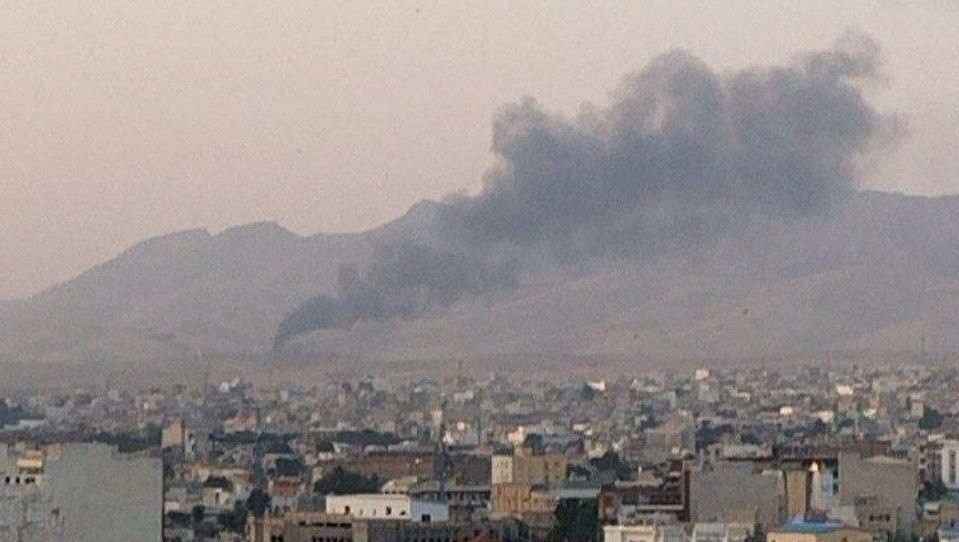
Meanwhile, the conflict expanded beyond military targets with reports of strikes on industrial infrastructure. A petrochemical facility near the southwestern Iranian city of Mahshahr was reportedly damaged after being hit during Israeli operations. Iranian authorities said the Karun petrochemical plant sustained damage, while the Israeli military stated that several sites within the broader petrochemical complex had been targeted.
The reported strike represents a significant development in the conflict, indicating that strategic economic infrastructure may increasingly become part of the military confrontation. Analysts warn that attacks on energy-related facilities could have wider implications for regional stability and global energy markets.
Adding to international concerns, Iranian Ambassador to Russia Kazem Jalali commented on the future of the Strait of Hormuz, one of the world’s most critical shipping routes for oil and natural gas. Jalali stated that the waterway would remain open but could operate under new arrangements coordinated by Iran and Oman, including transit-related charges for shipping services.
The comments have attracted global attention because the Strait of Hormuz serves as a key corridor for international energy supplies. Any disruption or new restrictions could affect global trade flows and energy prices. The proposal is expected to face resistance from several countries, including the United States, which has previously opposed measures that could hinder freedom of navigation through the strategic passage.
For India, the growing instability presents both diplomatic and security challenges. Thousands of Indian citizens have connections to the region through employment, education, and business activities. The government’s immediate focus remains ensuring the safety of its nationals while maintaining close coordination with local authorities and international partners.
As the Israel-Iran conflict shows little sign of easing, the Indian Embassy’s advisory underscores the seriousness of the situation. Citizens have been urged to prioritize their safety, avoid unnecessary travel, and leave Iran as soon as practical arrangements can be made. With military tensions continuing to rise, authorities remain on alert for further developments that could affect Indian nationals across the region.