
NEW DELHI: India has voiced deep concern over the renewed attacks across West Asia, urging all sides involved in the conflict to immediately reduce tensions and return to diplomatic negotiations. In a statement issued on June 8, the Ministry of External Affairs (MEA) said the continuing hostilities have become a matter of serious concern for the international community and warned of the growing humanitarian and economic consequences of the prolonged conflict.
MEA stated, “We deeply regret the recent attacks and escalating tensions across West Asia. There is no military solution to the multiple conflicts affecting the region. India urges all parties to exercise restraint, avoid further escalation, and engage in meaningful dialogue and diplomacy to restore peace, stability, and security.”
According to the MEA, the conflict has continued for more than 100 days, causing widespread human suffering and disrupting global economic activity and energy supplies. India emphasized that civilians must be protected and called on all parties to work toward a peaceful resolution through dialogue and negotiations.
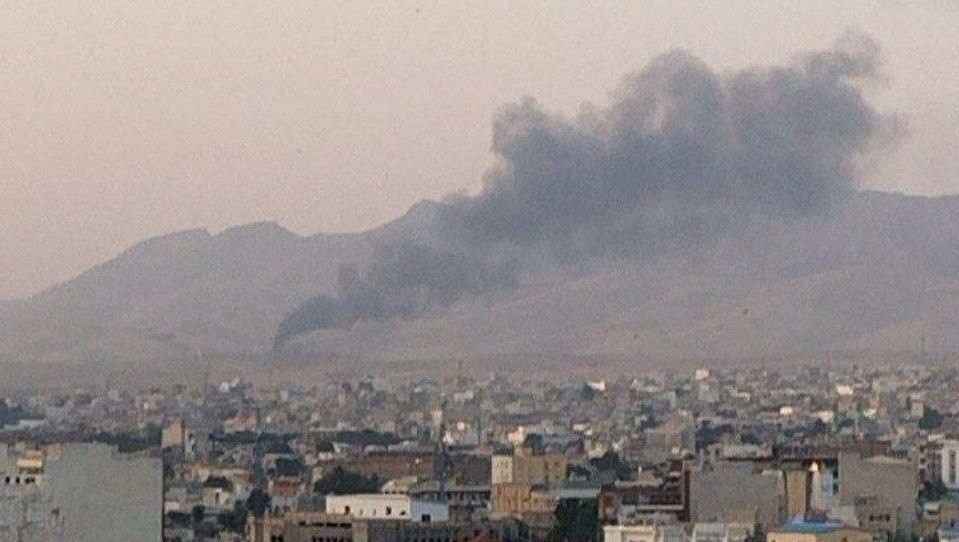
The situation in West Asia has deteriorated sharply in recent weeks. Fresh exchanges of missiles and retaliatory strikes involving Israel and Iran have raised fears of a broader regional war. Several countries in the Gulf region have also found themselves affected by the escalating violence, with attacks, military alerts, and security concerns spreading beyond the immediate conflict zones.
The instability has had a significant impact on regional security. Airspace restrictions, flight disruptions, and concerns over maritime trade routes have increased as military actions continue. The conflict has also contributed to volatility in global oil markets, with fears that prolonged fighting could further affect energy exports and international supply chains.
Humanitarian concerns remain at the center of the crisis. Thousands of civilians across affected regions continue to face uncertainty amid repeated attacks and security threats. India has consistently maintained that civilian lives and infrastructure must be protected and has urged all parties to adhere to international humanitarian principles.
The worsening security situation has also directly affected Indian nationals living and working in the region. Amid rising tensions, the Indian Embassy in Tehran recently advised Indian citizens to avoid non-essential travel to Iran and urged those already in the country to leave using available transport options due to the rapidly changing security environment.
Similar advisories have been issued to Indians in other parts of the region as authorities monitor developments closely. Reports also indicate that the Indian mission in Tel Aviv has asked Indian nationals to exercise utmost caution, remain vigilant, and avoid unnecessary travel amid the fresh round of hostilities between Israel and Iran.
India’s concerns have been reinforced by incidents affecting its citizens. Earlier this month, an Indian national was killed during an attack linked to the broader regional conflict, highlighting the risks faced by expatriates in the Gulf and West Asian countries.
As one of the world’s largest importers of energy and a country with millions of citizens living across West Asia, India has a strong stake in regional peace and stability. The region remains crucial for India’s energy security, trade, and diaspora interests. Any prolonged escalation could have far-reaching consequences not only for countries directly involved but also for the global economy.
In its latest statement, New Delhi reiterated that dialogue remains the only sustainable path forward. India urged all stakeholders to step back from further military action, protect civilian populations, and support diplomatic efforts aimed at restoring peace and stability across West Asia.