
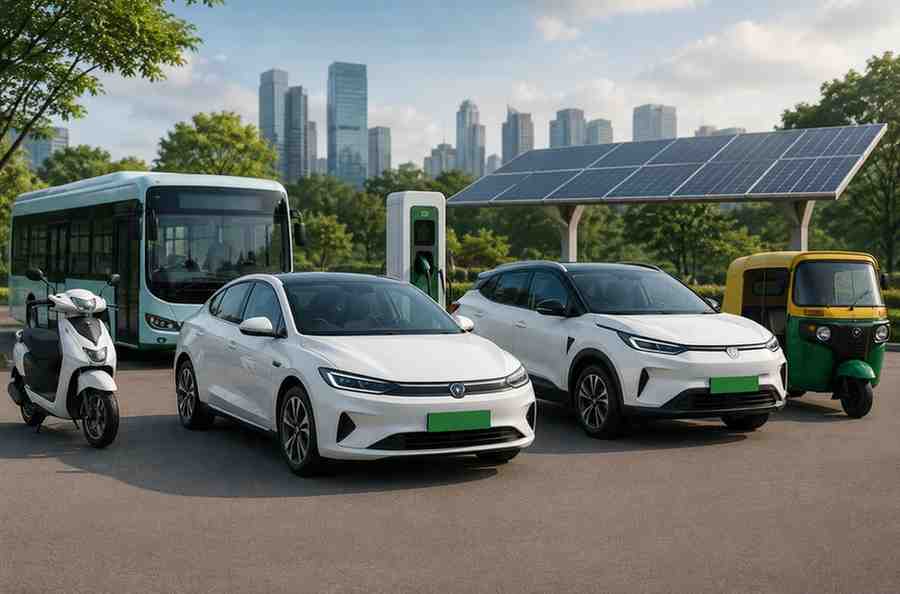
NEW DELHI: The Delhi Cabinet has approved a comprehensive Electric Vehicle (EV) Policy 2026, introducing a series of incentives, tax exemptions and regulatory measures to accelerate the adoption of electric mobility across the national capital. The policy, which will come into force from July 1, is designed to reduce vehicular pollution, expand charging infrastructure and encourage a gradual transition away from fossil fuel-powered vehicles.
Announcing the decision, Chief Minister Rekha Gupta said the government plans to invest nearly ₹15,000 crore over the next four years to strengthen Delhi’s electric mobility ecosystem. She described the initiative as a major milestone in the city’s long-term strategy to improve air quality and achieve the goal of becoming a pollution-free capital by March 31, 2030.
Full Exemption on Road Tax and Registration Fees
One of the most significant features of the new policy is a complete waiver of road tax and registration charges for electric cars priced up to ₹30 lakh (ex-showroom). The exemption is expected to make electric passenger vehicles more affordable and encourage a larger number of buyers to choose EVs over conventional fuel-powered cars.
The government believes that reducing the upfront cost of electric vehicles will play a crucial role in increasing EV ownership among middle-class families while supporting the city’s clean energy transition.
Attractive Subsidies for Electric Two-Wheelers
To boost the adoption of electric two-wheelers, the policy introduces a graded subsidy structure spread across three years. Buyers purchasing electric scooters or motorcycles during the first year of the policy will receive a subsidy of ₹30,000. This incentive will reduce to ₹20,000 in the second year and ₹10,000 in the third year.
Officials said the phased subsidy model is intended to encourage early adoption while gradually preparing the market to operate with reduced financial support as EV demand grows.
Incentives Extended to Electric Three-Wheelers
The government has also announced financial incentives for electric three-wheelers, which play a vital role in Delhi’s public transport network. Eligible buyers will receive a subsidy of ₹50,000 during the first year, ₹40,000 in the second year and ₹30,000 in the third year.
These incentives are expected to support drivers and fleet operators in replacing conventional auto-rickshaws with cleaner electric alternatives.
Electric Trucks Also Covered
The new EV policy extends support to commercial freight vehicles as well. Buyers of N1 category electric trucks will be eligible for purchase incentives of up to ₹1 lakh. Officials said encouraging electric goods carriers will help reduce emissions from commercial transport while improving urban air quality.
Scrapping Incentive for Older Vehicles
To accelerate the replacement of ageing and highly polluting vehicles, the government has introduced a scrapping incentive of ₹1 lakh. Owners of BS-IV or older four-wheelers who scrap their vehicles and purchase an electric vehicle will be eligible for this benefit.
The measure is expected to remove older vehicles from Delhi’s roads while promoting cleaner transportation options.
Gradual Phase-Out of Petrol and CNG Vehicles
The policy outlines a phased roadmap for transitioning to electric mobility. From January 1, 2027, only electric autorickshaws will be registered in Delhi. Registration of new petrol and CNG autorickshaws will cease under the new framework.
In another major step, registration of new petrol and CNG two-wheelers will be phased out from April 1, 2028. After this date, only electric two-wheelers will be eligible for registration in the national capital.
The government said this gradual approach will provide sufficient time for manufacturers, dealers and consumers to adapt to the changing regulatory environment.
Expansion of Charging Infrastructure
Recognising that charging availability remains one of the biggest challenges to EV adoption, the policy places strong emphasis on expanding charging infrastructure throughout the city. The government plans to establish additional public charging stations, strengthen private charging facilities and improve vehicle scrapping infrastructure.
A dedicated online portal will also be launched to simplify applications for subsidies and other EV-related incentives, making the process more transparent and user-friendly.
No Incentives for Hybrid Vehicles
Officials clarified that hybrid vehicles will not receive any financial support under the new policy. The government has decided to focus its incentives exclusively on fully electric vehicles to maximise emission reductions and accelerate the transition to zero-emission transport.
Roadmap for a Sustainable Future
The Delhi EV Policy 2026 represents one of the most ambitious clean mobility initiatives undertaken by the city. By combining financial incentives, tax exemptions, infrastructure development and phased regulatory reforms, the government aims to significantly increase the share of electric vehicles on Delhi’s roads over the coming years.
If implemented successfully, the policy is expected to reduce vehicular emissions, improve air quality, lower dependence on fossil fuels and position Delhi as a national leader in sustainable urban transportation.