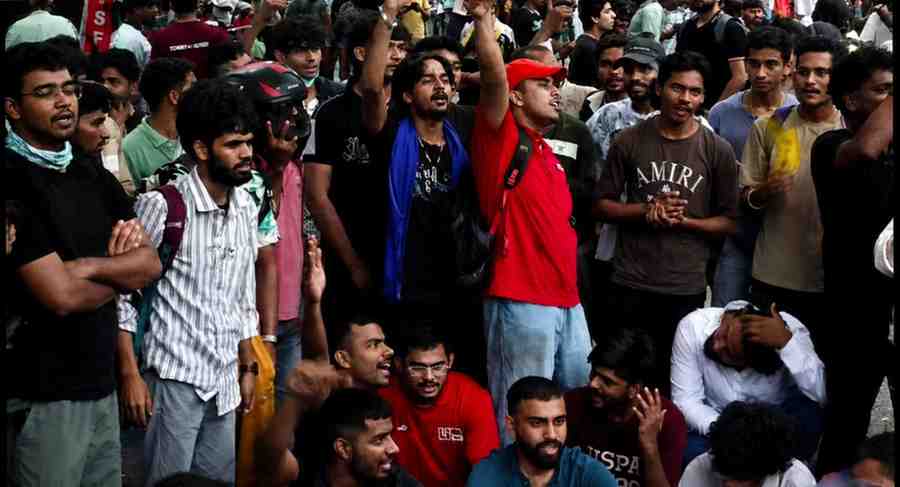
The Delhi government has announced the withdrawal of criminal cases registered against participants involved in the recent NEET protest movement, offering relief to hundreds of students and protesters. However, the administration has made it clear that the decision will not extend to individuals who have criminal antecedents or are accused of serious offences unrelated to peaceful demonstrations.
The move comes after recent directions from the Supreme Court, which urged authorities to adopt a balanced approach while dealing with students and first-time offenders detained during the protests. The court had stressed that peaceful participation in demonstrations should not automatically attract harsh criminal action, especially in cases involving students without previous criminal records.
Relief for peaceful protesters
According to the Delhi government, all pending legal cases linked to peaceful participation in the NEET protests will be reviewed and withdrawn in accordance with legal procedures. Officials said the objective is to ensure that students do not suffer long-term consequences for participating in demonstrations demanding accountability over alleged irregularities in the examination process.
The government stated that many students joined the protests to express concerns over examination-related issues and should not face permanent legal hurdles that could affect their education, careers, or future employment opportunities.
Authorities also directed officials to examine cases where arrests or detentions had taken place and process withdrawals wherever the accused satisfy the prescribed conditions.
Criminal antecedents excluded
While announcing the relief, the Delhi government emphasized that the policy is not a blanket amnesty.
Officials clarified that individuals with criminal antecedents, habitual offenders, or those accused of serious criminal acts committed during the protests will remain outside the scope of the decision. Such cases will continue to be investigated and prosecuted in accordance with the law.
The administration maintained that the distinction is necessary to protect genuine student protesters while ensuring that criminal elements cannot misuse the relaxation announced by the government.
Supreme Court’s intervention
The government’s announcement closely follows observations made by the Supreme Court during hearings related to the police action against NEET protesters.
The apex court directed authorities across states to release minors and first-time offenders who were detained during the demonstrations, provided they had no previous criminal records. It also instructed governments to preserve CCTV footage, drone recordings, body-camera videos and other digital evidence connected with the protests to ensure transparency in future proceedings.
The court observed that participation in a protest alone should not justify excessive police action and emphasized that constitutional rights to peaceful assembly must be respected while maintaining public order.
Background of the protests
The nationwide NEET protests erupted after allegations of irregularities and question paper leaks triggered widespread outrage among students and parents. Demonstrations were held in several cities, with Delhi’s Jantar Mantar becoming one of the major centres of protest.
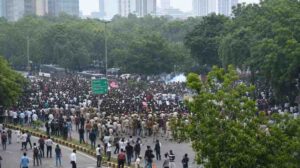
Student groups demanded accountability, examination reforms, stricter anti-cheating mechanisms, and action against those responsible for compromising the integrity of the examination system. The protests eventually grew into a broader movement calling for structural reforms in India’s public examination process.
The agitation also led to significant political developments, including changes in the education administration and the announcement of examination reforms at the national level.
Legal process to continue
Officials clarified that withdrawal of cases will not happen automatically. Each FIR and criminal proceeding will undergo legal scrutiny before prosecutors move appropriate applications before the courts for withdrawal.
Read Also: India Strengthens AVGC-XR Sector With WAVES Bazaar, WaveX And IICT Push
Authorities will verify whether the accused qualify under the government’s criteria and whether the allegations relate solely to peaceful protest activities.
Legal experts note that courts will have the final authority to approve withdrawal petitions submitted by the prosecution under applicable legal provisions.
Mixed reactions
The decision has received a positive response from several student groups, who described it as an important step toward restoring confidence among young aspirants affected by the prolonged controversy.
At the same time, legal experts believe the government’s caveat regarding criminal antecedents attempts to strike a balance between protecting democratic protests and maintaining accountability for individuals accused of serious offences.
Political observers say the announcement reflects an effort to reduce tensions after weeks of student unrest while reinforcing that law enforcement action will continue against those accused of criminal misconduct beyond peaceful demonstration.
With the review process now underway, attention will shift to how quickly pending cases are withdrawn and whether similar decisions are adopted by other states that witnessed NEET-related protests.
Click here to join our WhatsApp Channel for real-time news updates and exclusive coverage.