
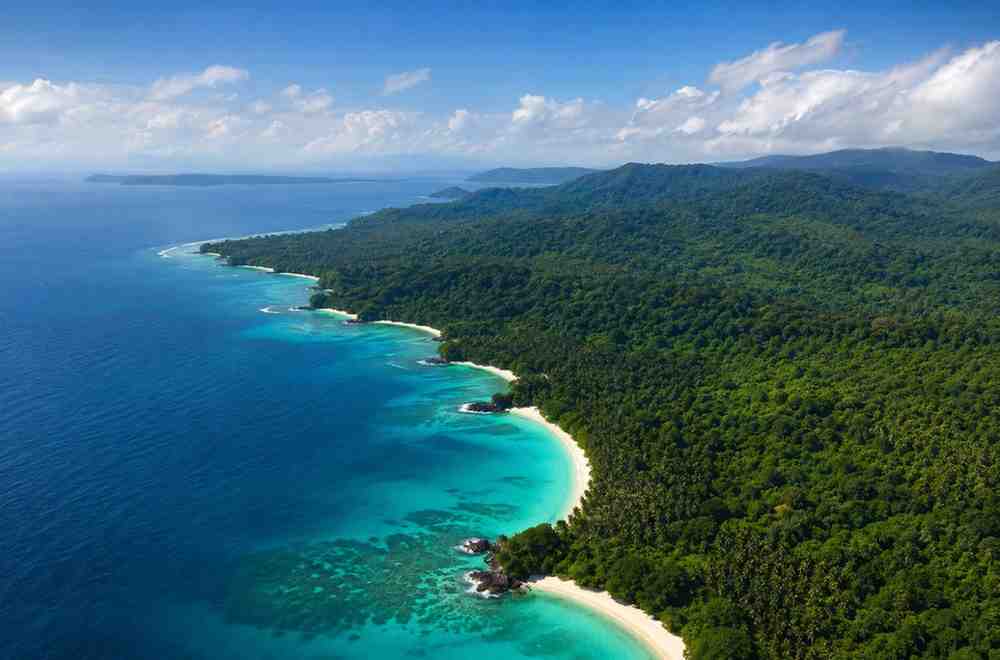
NEW DELHI: The Central Government has strongly defended the ambitious Great Nicobar Island Development Project, asserting that the initiative is designed to balance economic growth, national security interests, environmental conservation, and the welfare of indigenous communities.
The government’s clarification comes amid renewed criticism from opposition leaders and environmental groups, who have raised concerns over the project’s potential impact on the island’s fragile ecosystem and tribal populations. Officials, however, maintain that the development plan has undergone extensive scrutiny and incorporates multiple safeguards to ensure sustainable implementation.
According to the government, the project seeks to leverage Great Nicobar’s strategic location in the Indian Ocean region to strengthen India’s maritime presence and defence preparedness in the Indo-Pacific. The island lies close to key international shipping routes, including the Malacca Strait, making it a crucial location for enhancing India’s economic and strategic interests.
The proposed development includes an International Container Transhipment Terminal at Galathea Bay, a greenfield international airport, a hybrid gas-solar power plant with a capacity of 450 MVA, and a modern township. Authorities believe these facilities will improve connectivity, support regional trade, and transform the island into a major logistics and economic hub.
Government officials have argued that the project represents an integrated approach to development, combining economic opportunities with environmental protection measures. They noted that environmental and forest clearances were granted only after rigorous assessments and the incorporation of mitigation strategies aimed at reducing ecological impact. The government also pointed out that these clearances have faced judicial scrutiny and have been upheld by relevant authorities.
The National Green Tribunal (NGT) recently dismissed fresh challenges to the project’s environmental and coastal regulation clearances, observing that sufficient safeguards had been put in place and acknowledging the strategic importance of the initiative. The tribunal allowed the project to proceed subject to strict compliance with all environmental conditions.
Officials further stressed that protection of indigenous communities remains a central component of the planning process. They stated that tribal welfare measures and safeguards have been integrated into the project’s framework to ensure that development activities do not compromise the rights and interests of local populations.
Despite these assurances, the project continues to face criticism from environmental experts and opposition parties. Critics argue that large-scale infrastructure development on Great Nicobar Island could threaten biodiversity, affect sensitive marine ecosystems, and impact indigenous communities such as the Shompen and Nicobarese tribes. Environmental groups have also raised concerns about forest diversion, tree felling, and potential disturbances to wildlife habitats, including nesting areas of the giant leatherback turtle.
Congress leaders have repeatedly questioned the project’s ecological implications, with some describing it as environmentally risky and calling for alternative development models that would better protect the island’s unique ecosystem. The opposition has also demanded greater transparency and wider consultations with local communities, researchers, and environmental experts.
In response, the government has maintained that the project is essential for India’s long-term strategic and economic objectives. Officials argue that the infrastructure will strengthen India’s ability to monitor critical sea lanes, enhance defence capabilities, and reduce dependence on foreign transhipment hubs. They also contend that the initiative aligns with broader national goals related to maritime development, regional connectivity, and economic growth.
The debate over the Great Nicobar project highlights the challenge of balancing infrastructure expansion with environmental conservation. While supporters view the initiative as a transformative opportunity for India’s maritime ambitions, critics continue to urge caution, emphasizing the need to protect one of the country’s most ecologically sensitive regions.
As discussions continue, the government remains firm that the Great Nicobar Development Project can serve as a model for achieving economic progress while maintaining ecological and social safeguards.