
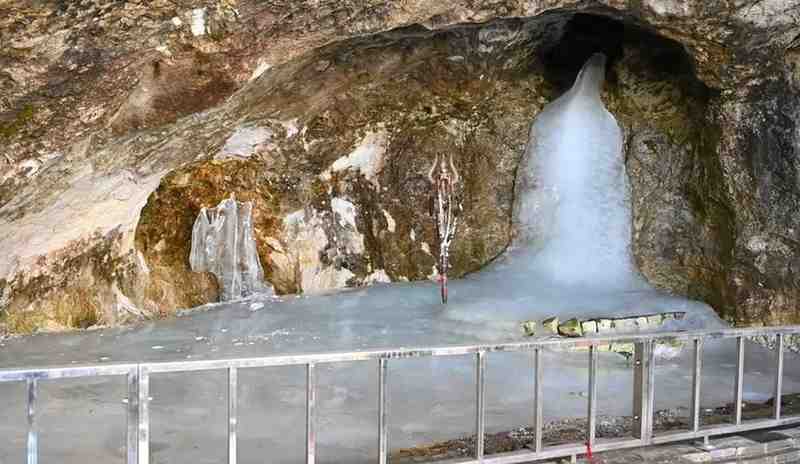
The annual Amarnath Yatra is set to commence on July 3, with the Jammu and Kashmir administration confirming that all major preparations have been completed to facilitate a safe and smooth pilgrimage. Thousands of devotees from across India are expected to visit the revered Amarnath Cave Shrine during the multi-week religious journey, one of the country’s most significant Hindu pilgrimages.
The pilgrimage attracts lakhs of worshippers every year who undertake a challenging trek through the Himalayan region to seek the blessings of Lord Shiva. The naturally formed ice Shivling inside the sacred cave remains the focal point of the annual pilgrimage and draws devotees from every corner of the country.
Extensive Security Measures In Place
Authorities have established a comprehensive security network across the pilgrimage route. Security personnel from multiple agencies have been deployed, while surveillance systems, checkpoints and regular monitoring have been strengthened to ensure the safety of pilgrims throughout the Yatra.
Officials have also intensified coordination between security forces, civil administration and disaster response teams. Mock drills, emergency response planning and continuous monitoring have been carried out in the days leading up to the pilgrimage to address any potential challenges.
Registration And RFID System Mandatory
Pilgrims are required to complete the registration process before undertaking the Yatra. Authorities have made RFID cards mandatory for every registered devotee, enabling real-time tracking and improving emergency response capabilities if required.
Registered pilgrims must collect their RFID cards from designated centres before beginning their journey. Officials have also advised pilgrims to carry valid identification documents and follow all guidelines issued by the administration during the pilgrimage.
Medical And Disaster Management Preparedness
Healthcare facilities have been significantly enhanced along both pilgrimage routes. Medical camps, emergency healthcare centres, ambulances and trained medical personnel have been deployed to provide immediate assistance to pilgrims.
Given the high-altitude terrain and unpredictable weather conditions, disaster response teams have also been positioned strategically across vulnerable locations. Rescue teams remain on standby to respond quickly to emergencies, landslides or medical situations during the Yatra.
Pilgrims To Travel Through Two Main Routes
Devotees can undertake the pilgrimage through the traditional Pahalgam route or the shorter Baltal route. Both routes have undergone extensive maintenance, with authorities ensuring better road connectivity, sanitation facilities, drinking water availability and temporary accommodation for pilgrims.
Officials have appealed to pilgrims to follow designated travel schedules and comply with all safety advisories while travelling through the mountainous terrain.
Important Guidelines For Devotees
Authorities have advised pilgrims to carry warm clothing, waterproof gear, essential medicines and valid identity documents throughout the journey. Due to changing weather conditions in the Himalayan region, travellers have been encouraged to remain physically prepared for low temperatures and rainfall.
Pilgrims have also been urged to wear their RFID cards at all times and follow instructions issued by security personnel and shrine authorities.
Pilgrim Facilities Strengthened
Apart from security arrangements, the administration has expanded facilities including accommodation, sanitation services, food distribution, transportation support and communication infrastructure.
Special attention has been given to maintaining uninterrupted medical services, emergency communication systems and crowd management measures to ensure a comfortable experience for devotees visiting the shrine this year.
The administration has expressed confidence that the coordinated efforts of security agencies, healthcare services and civil departments will help ensure a peaceful and well-organised pilgrimage. With thousands of devotees expected to participate over the coming weeks, officials continue to monitor arrangements closely while urging pilgrims to cooperate with authorities and strictly adhere to all safety protocols for a secure spiritual journey.
The Amarnath Yatra reflects India’s rich spiritual heritage while showcasing coordinated efforts in security, healthcare and infrastructure. The annual pilgrimage strengthens faith, promotes religious tourism and demonstrates the administration’s commitment to ensuring a safe and seamless experience for devotees.