Iran has issued a strong warning to the United States and its regional allies, declaring that it will not hesitate to strike the source of any future attacks as well as military bases and logistical facilities used to support operations against the Islamic Republic.
In a statement released on Wednesday, Iran’s Foreign Ministry condemned recent US military strikes on southern Iran, describing them as a clear violation of international law and the United Nations Charter. The ministry said the attacks were carried out in the early hours of Wednesday following the reported downing of a US Army Apache helicopter over the Strait of Hormuz earlier this week.
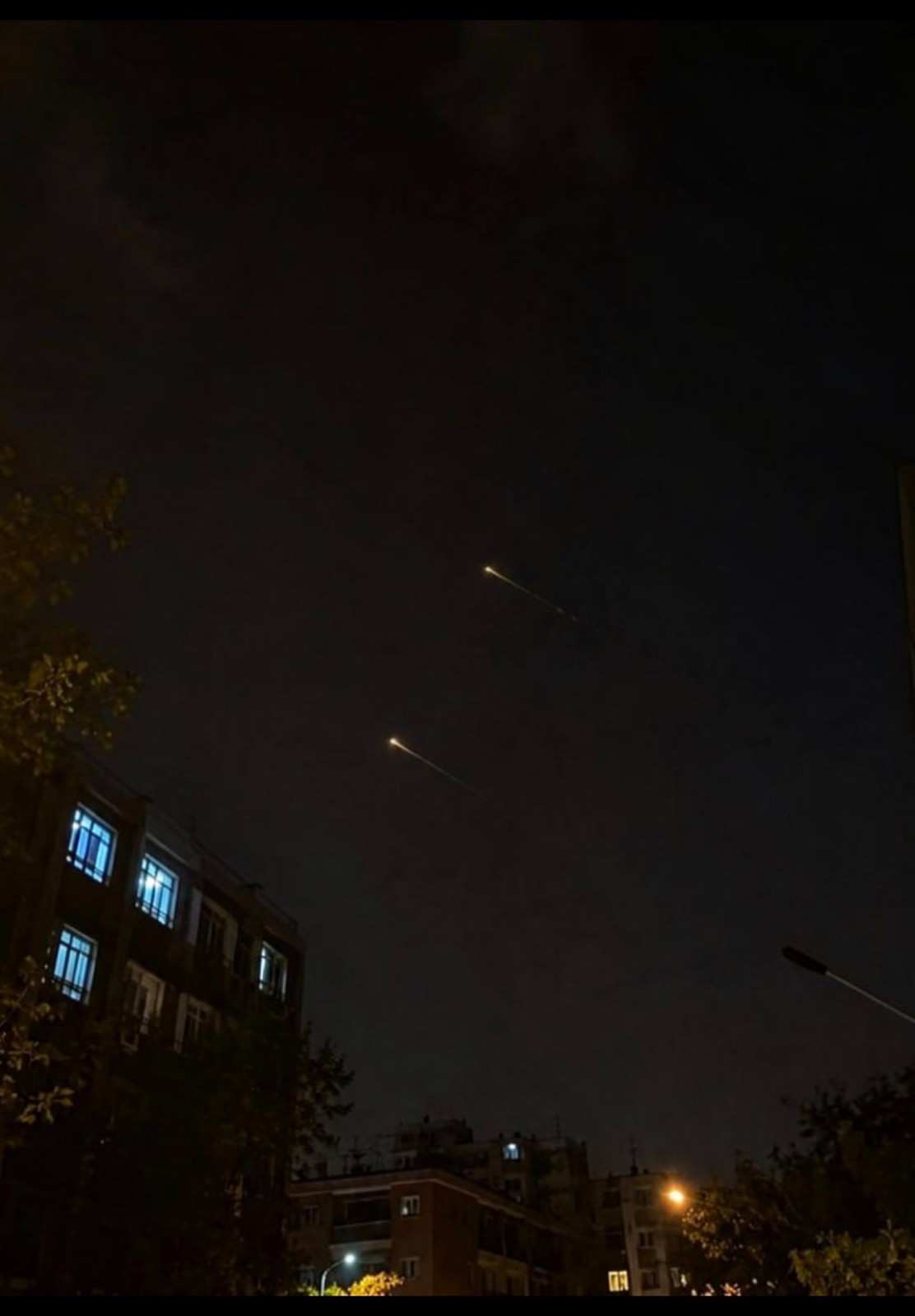
According to Tehran, Iran’s Armed Forces exercised the country’s right to self-defense by launching retaliatory strikes against US military bases and assets in the region that were allegedly used as launch points for the attacks. Iranian officials emphasized that any future aggression would be met with a similar response.
The Foreign Ministry also warned neighboring countries, particularly those located along the southern shores of the Persian Gulf, against allowing the United States or Israel to use their territory, airspace, or facilities for military operations against Iran. Tehran stated that any location facilitating attacks on Iran could become a legitimate target in future military responses.
The ministry reiterated that Iran would continue to exercise what it called its “inherent right of self-defense,” stressing that both the origin of attacks and any supporting logistical infrastructure would be subject to retaliation.
Iran further called on the United Nations, especially the Security Council and the secretary-general, to take action against what it described as acts of aggression and to uphold international peace and security.
The latest escalation follows an announcement by US Central Command (CENTCOM), which said American forces conducted what it characterized as “defensive” strikes against Iran on the orders of President Donald Trump. The operation came after the reported downing of a US Apache helicopter in the strategic Strait of Hormuz.
President Trump later confirmed the military action in comments to ABC News, stating that Washington had responded forcefully to the incident involving the helicopter. US officials have maintained that the strikes were intended to protect American forces and interests in the region.
Iranian Foreign Minister Abbas Araghchi strongly criticized the US action during separate phone conversations with Turkish Foreign Minister Hakan Fidan and Saudi Foreign Minister Faisal bin Farhan. Araghchi described the attacks as a violation of Iran’s sovereignty and territorial integrity and defended Iran’s right to respond through its armed forces.
The ministers discussed the rapidly evolving security situation in the Middle East following the latest exchange of military actions between Tehran and Washington.
Meanwhile, Iran’s Khatam al-Anbiya Central Headquarters stated that Iranian military forces, including units of the Army and the Islamic Revolutionary Guard Corps (IRGC), had carried out powerful retaliatory operations against certain US military facilities in the region. Iranian officials said the actions were taken in response to what they called unjustified American aggression carried out under the pretext of the helicopter incident.
The confrontation has raised concerns about the possibility of a broader regional conflict, with both sides defending their actions and warning of further consequences if hostilities continue.
Separately, Iran’s mission to the United Nations criticized a recent UN Security Council meeting focused on Iran’s nuclear program. Tehran argued that UN Security Council Resolution 2231, which endorsed the 2015 nuclear agreement, expired in October 2025 and therefore no longer provides a legal basis for discussions or actions under that framework.
In a statement, Iran accused several Security Council members of repeating what it called unfounded allegations regarding its peaceful nuclear activities. The mission maintained that Iran remains committed to the Nuclear Non-Proliferation Treaty (NPT) and has never pursued nuclear weapons.
Iran also blamed current tensions on the US withdrawal from the Joint Comprehensive Plan of Action (JCPOA), the failure of European parties to fulfill their commitments, and recent military actions targeting Iranian facilities