The fragile ceasefire efforts in the ongoing Iran-U.S.-Israel conflict suffered a major setback on Wednesday as fresh military strikes, retaliatory attacks, and rising tensions around the Strait of Hormuz deepened fears of a wider regional war.
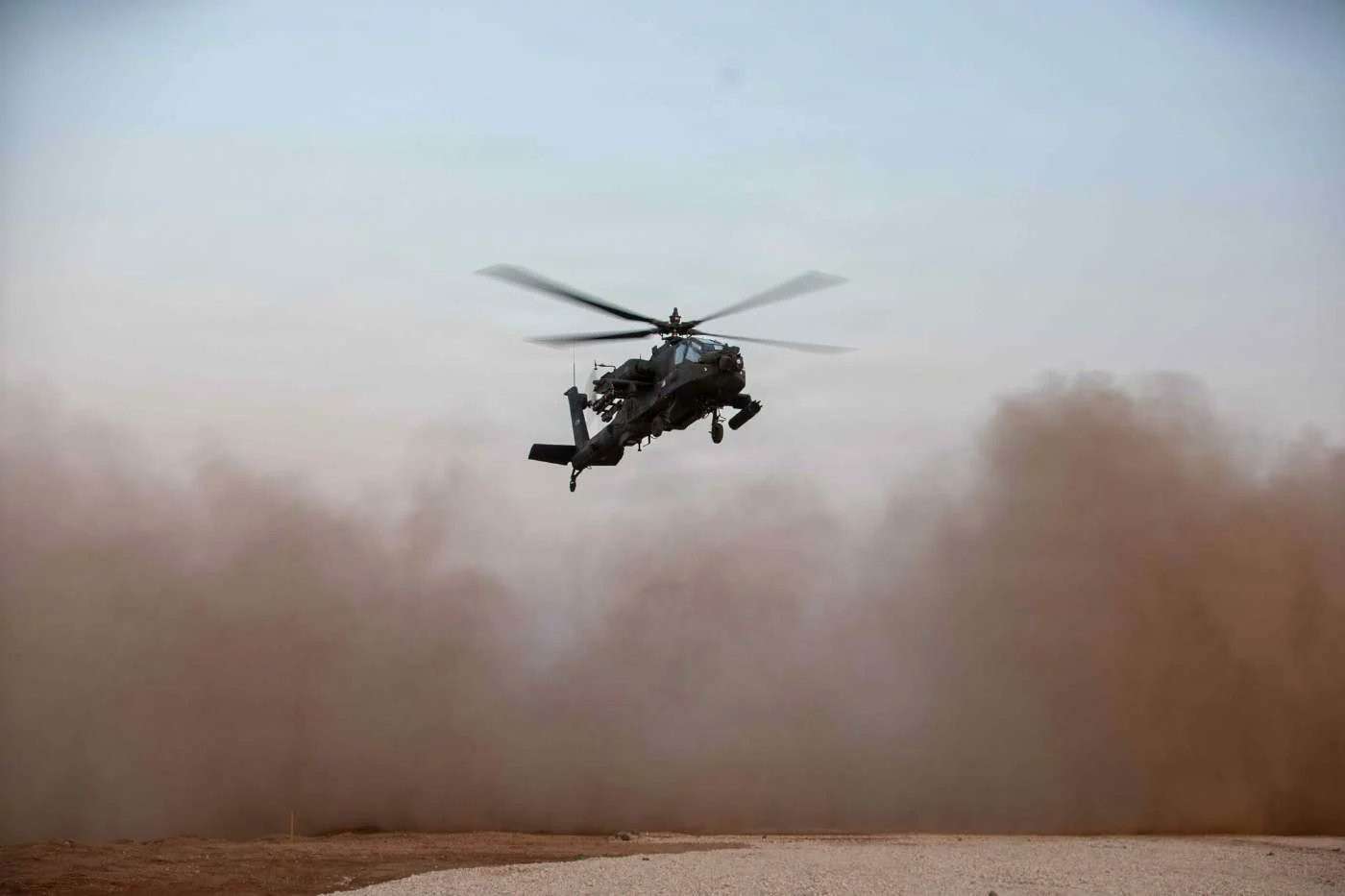
The latest escalation began after the United States launched new strikes against Iranian military targets, describing the operation as a response to the reported downing of a U.S. Apache helicopter near the Strait of Hormuz. American forces reportedly targeted Iranian air-defense systems and radar installations in strategic locations, including areas near Bandar Abbas and Sirik.
Iran reacted swiftly, accusing Washington of violating ongoing peace efforts and launching retaliatory missile attacks against U.S. military facilities in the Gulf region. Reports indicated that missiles were fired toward American bases in Bahrain, Kuwait and Jordan, prompting air-defense responses and heightened security measures across several countries.
The renewed violence comes just days after U.S. President Donald Trump claimed that Iran and Israel were moving toward an “immediate ceasefire.” Tehran had earlier signaled a halt to offensive military operations, raising hopes that months of conflict could be winding down. However, the latest exchange of attacks has cast doubt on the durability of any truce.
The broader conflict traces its roots to the military campaign launched by the United States and Israel against Iran in February 2026. Since then, the region has witnessed repeated missile and drone attacks, strikes on military installations, and growing involvement of Iran-backed groups across West Asia.
One of the most sensitive flashpoints remains the Strait of Hormuz, a crucial maritime route through which a significant portion of the world’s oil supply passes. Iran has repeatedly threatened restrictions on shipping through the waterway, while the United States has sought to maintain freedom of navigation and protect commercial vessels. The latest military incidents near the strait have renewed concerns over global energy security and international trade.
Financial markets reacted nervously to the developments. Global oil prices rose nearly one percent as investors assessed the risk of supply disruptions from the Gulf region. Analysts warned that any prolonged closure or disruption of shipping through Hormuz could have significant consequences for energy markets worldwide.
Meanwhile, tensions between Israel and Iran continue to simmer. Earlier this week, Iran launched missiles toward northern Israel following Israeli military operations linked to Hezbollah in Lebanon. Although casualties were limited, the attacks underscored the persistent risk of a broader regional confrontation involving multiple actors.
The United Nations and several international powers have renewed calls for restraint, urging all parties to return to diplomatic negotiations. UN officials have warned that continued military escalation could destabilize the entire region and undermine ongoing humanitarian and peace initiatives.
Iran has cautioned the United States against making any strategic mistakes in the Persian Gulf, with Foreign Minister Abbas Araghchi emphasizing that Tehran remains committed to diplomacy but is prepared to defend its interests if challenged.
In a post on X on Tuesday, Araghchi said the presence of foreign military forces near Iran’s borders increases the risk of incidents caused by miscalculations, accidents, or unintended involvement in ongoing conflicts.
He added that the most effective way to reduce such risks would be for foreign forces to withdraw from the region. While reiterating Iran’s preference for diplomatic engagement, the foreign minister warned that the country possesses other means to respond when necessary.
Iranian Parliament Speaker Mohammad Bagher Ghalibaf, who also plays a key role in Tehran’s negotiating efforts, reiterated Iran’s commitment to diplomacy while cautioning that any breach of agreements by the other side would invite a firm response.
In a message posted on X, Ghalibaf said, “We prefer the language of diplomacy,” but warned that Iran is capable of responding through other means if necessary. He stressed that Tehran expects all parties to uphold their commitments and added that if those obligations are violated, Iran would “resort to the language that we know best.”
Underscoring the consequences of any failure to honor agreements, Ghalibaf remarked that those who choose such a path would ultimately face the outcome of their own actions, saying, “You will ride the horse that you have saddled yourself.”
As diplomatic channels remain active, the situation on the ground remains highly volatile. With fresh strikes, retaliatory attacks, and uncertainty surrounding the ceasefire process, the Middle East faces another critical moment that could determine whether the conflict moves toward de-escalation or slides into a broader regional war.