
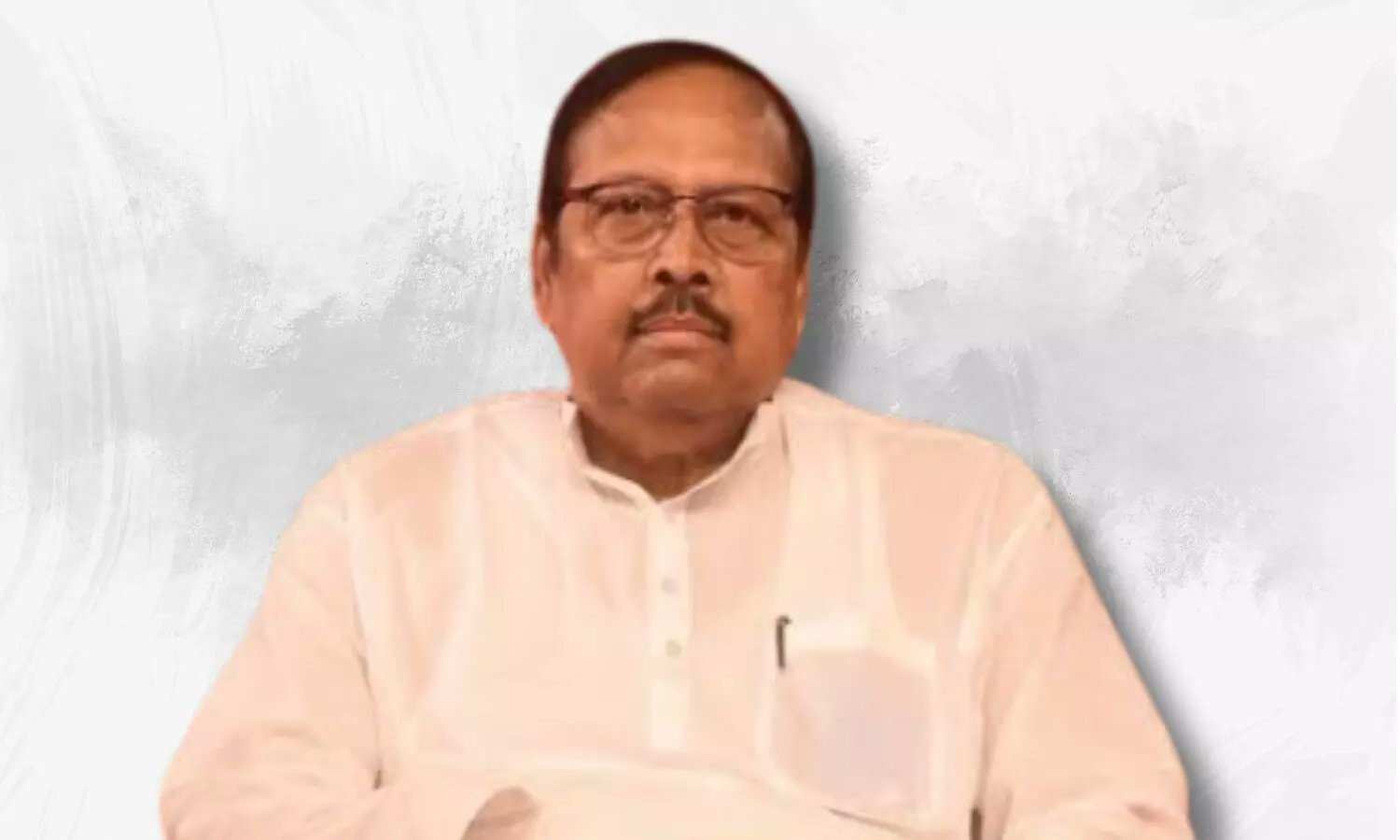
A major political development unfolded on Monday as senior Trinamool Congress (TMC) leader and Rajya Sabha member Sukhendu Sekhar Ray announced his resignation from both the Upper House of Parliament and the party. The move comes at a time when the Mamata Banerjee-led party is grappling with growing internal dissent and political uncertainty following recent upheavals in West Bengal.
Ray, one of the most experienced faces in the Trinamool Congress and a prominent voice in Parliament for over a decade, submitted his resignation from the Rajya Sabha and simultaneously ended his association with the party. His decision is being viewed as a significant setback for the TMC, which has been facing mounting challenges within its organisational and legislative ranks.
The veteran leader’s exit follows days of speculation regarding unrest among Trinamool lawmakers. In recent public remarks, Ray had hinted that the rebellion witnessed within sections of the party could extend beyond the state assembly and have repercussions in Parliament as well. His comments had fuelled speculation about dissatisfaction among a section of TMC legislators and parliamentarians.
Reports indicate that Ray expressed unhappiness with the functioning of the party and its current direction. While detailed reasons behind his resignation are still emerging, his departure underscores the growing cracks within the Trinamool Congress at a politically sensitive moment.
The resignation comes against the backdrop of a turbulent phase for the TMC. The party has recently witnessed a series of setbacks, including internal rebellions and the departure of several leaders. Political observers believe that Ray’s decision could have wider implications for the party’s strength in Parliament and its influence within the opposition INDIA bloc.
Sukhendu Sekhar Ray has been associated with the Rajya Sabha since 2011 and served as one of the party’s most articulate parliamentarians. Over the years, he played an important role in raising issues concerning West Bengal and national politics in the Upper House. His long parliamentary tenure earned him recognition as a key strategist and spokesperson for the party on several occasions.
Political circles in Kolkata and New Delhi are closely monitoring the fallout from the resignation. The development has triggered fresh discussions about the stability of the Trinamool Congress’ parliamentary wing and whether more leaders could follow a similar path. In recent days, concerns over possible dissent among MPs had already prompted the party leadership to engage in consultations aimed at maintaining unity.
The timing of Ray’s departure is particularly significant because it comes ahead of crucial political discussions within the opposition camp. The Trinamool Congress remains one of the largest opposition parties in Parliament, and any reduction in its strength could affect its bargaining power and role in national politics. Analysts suggest that the resignation may add pressure on the party leadership to address grievances within its ranks and prevent further erosion of support.
Opposition leaders and political commentators have described the resignation as a symbolic moment in the ongoing political churn in West Bengal. While the TMC leadership has yet to provide a detailed response, the exit of a senior parliamentarian of Roy’s stature is likely to intensify debate over the party’s future course and internal cohesion.
As the political ramifications continue to unfold, attention will remain focused on whether the resignation remains an isolated development or marks the beginning of a broader realignment within the Trinamool Congress. For now, Sukhendu Sekhar Ray’s departure represents one of the most significant exits from the party’s parliamentary ranks in recent years and adds a new dimension to the evolving political landscape in West Bengal and national politics.