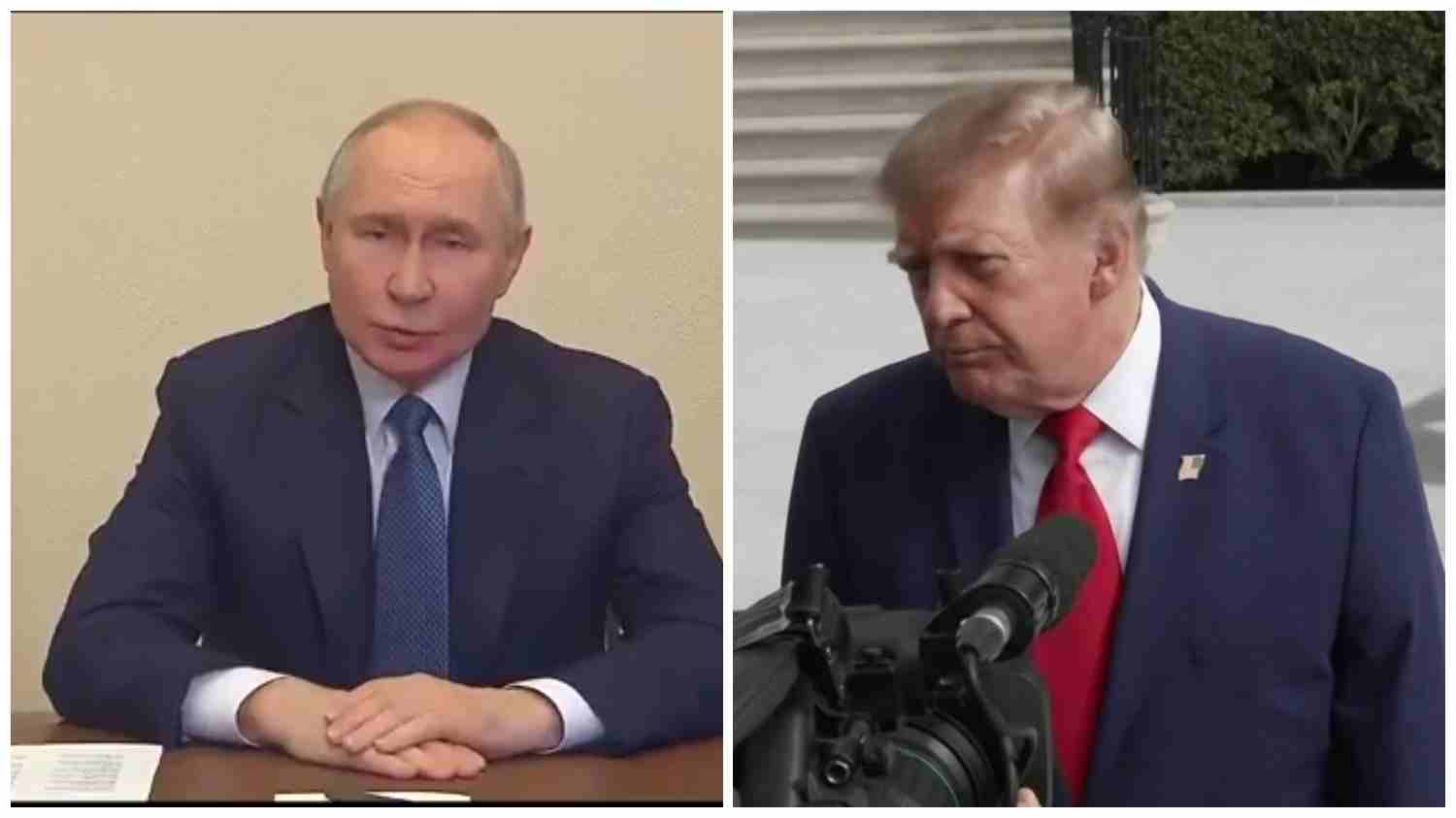
Russian President Vladimir Putin’s investment envoy, Kirill Dmitriev, has welcomed US President Donald Trump’s decision to waive several newly authorised sanctions against Russia, describing the move as an “important and truly historic moment.” The announcement marks a significant development in Washington’s approach to Moscow and has renewed debate over the future of economic cooperation between the two countries.
Dmitriev’s remarks came after Trump signed an executive order suspending the implementation of several provisions of the Lindsey O. Graham Sanctioning Russia and Iran Act of 2026. The legislation was designed to increase economic pressure on Moscow over its continuing war against Ukraine and also authorised punitive tariffs on countries purchasing Russian energy.
According to reports, Dmitriev argued that implementing the measures could have severely disrupted economic relations between Russia and the United States, while damaging global markets.
Dmitriev Calls Trump’s Decision a Historic Moment
Dmitriev, who serves as Putin’s special envoy for investment and economic cooperation with foreign countries, publicly praised the Trump administration’s decision in a post on social media platform X.
He described the suspension of provisions under the Graham Act as a landmark development, arguing that economic engagement between Moscow and Washington could benefit both countries.
The Russian envoy maintained that cooperation between the two economies could contribute to global economic stability and help rebuild confidence between the two governments. He also presented dialogue and mutually beneficial partnerships as alternatives to prolonged sanctions and confrontation.
His comments reflect Moscow’s longstanding opposition to Western economic restrictions, which Russia argues obstruct trade, investment and international economic cooperation.
However, Dmitriev’s assessment represents the Russian government’s position. The broader consequences of Washington’s decision will depend on how the administration implements the exemptions and whether the two countries make further progress towards economic or diplomatic agreements.
What Is the Lindsey Graham Sanctions Act?
The Lindsey O. Graham Sanctioning Russia and Iran Act of 2026 was introduced to strengthen economic pressure on Russia following its invasion of Ukraine in February 2022.
The legislation provided the US president with authority to impose additional restrictions on Russian economic interests and countries continuing to purchase Russian oil and gas.
One of its most consequential provisions authorised tariffs of up to 100% on goods imported from major purchasers of Russian energy and certain countries accused of helping Moscow evade sanctions. It also provided for potentially severe tariffs on Russian goods and additional measures targeting financial institutions and international partners.
India and China, among other countries identified as major buyers of Russian energy, faced potential exposure to the legislation’s punitive provisions.
The measure therefore carried implications extending beyond the direct relationship between Washington and Moscow. It also raised concerns about international trade, energy security and relations between the United States and countries maintaining commercial ties with Russia.
Trump signed the legislation in September 2026. However, his latest executive order has suspended several of its major provisions on national-interest grounds. The decision does not mean that every existing US sanction against Russia has been removed.
Why Trump Decided to Waive the Sanctions
The decision comes amid concerns about energy prices and the potential economic consequences of imposing additional restrictions on Russian oil and gas.
Higher energy costs have become a significant concern for American consumers, businesses and transport operators. Analysts have suggested that further restrictions on Russian energy supplies could place additional pressure on global markets and complicate efforts to contain domestic fuel prices.
The timing is also politically significant, with the US midterm elections scheduled for November 3, 2026. Economic affordability and the cost of living are important issues for voters, creating pressure on the administration to prevent further increases in energy costs.
Trump has justified the waivers by citing US national interests. The legislation allows the president to suspend certain measures through the required notification and certification process.
Nevertheless, the executive order does not permanently rule out further action. US officials have been directed to monitor developments involving Russian energy purchases and possible sanctions evasion, leaving the administration room to reconsider the restrictions if circumstances change.
US-Russia Energy Cooperation Gains Attention
The sanctions waiver follows a recent agreement involving Russian diesel supplies, which Trump presented as part of an effort to ease pressure on energy prices.
The arrangement has drawn attention because Washington has spent years using sanctions to restrict Russia’s energy revenues following the invasion of Ukraine.
The possibility of renewed commercial engagement has also emerged alongside discussions about potential joint projects involving Russian and American businesses. Dmitriev has previously indicated that the two countries were exploring cooperation in areas including data centres and energy infrastructure.
Such developments could create opportunities for economic engagement, although the details, scope and implementation of any future projects remain uncertain.
For Moscow, the suspension of additional sanctions could reduce the immediate threat of further economic restrictions. For Washington, it could offer greater flexibility in managing energy costs and diplomatic relations.
However, any expansion of economic cooperation is likely to remain politically sensitive, particularly given the continuing conflict in Ukraine.
Ukraine War and Political Backlash in Washington
Trump’s decision has also attracted criticism from American lawmakers who believe the sanctions legislation was intended to increase pressure on Putin to end the war in Ukraine.
Critics have argued that suspending the measures risks weakening Washington’s negotiating position and undermining the purpose of legislation approved by Congress.
The controversy highlights divisions over whether economic engagement with Moscow can support diplomatic progress or instead provide Russia with additional economic relief while the war continues.
Ukraine and its supporters have repeatedly expressed concern that continued purchases of Russian energy generate revenue that can help sustain Moscow’s military campaign.
The administration’s approach therefore faces a difficult balancing act: limiting economic disruption at home while maintaining pressure on Russia over its actions in Ukraine.
What Happens Next?
Dmitriev’s enthusiastic response suggests that Moscow views the waiver as an opportunity to improve economic ties with Washington. Yet the decision should not be interpreted as a complete normalisation of US-Russia relations.
Existing sanctions remain in place, the Ukraine conflict continues, and the Trump administration retains the ability to reconsider its exemptions.
The immediate impact will depend on whether the waiver facilitates additional trade, encourages new diplomatic contacts or remains primarily a measure intended to manage energy-market risks.
Also Read | India Rejects UN Report On Youth Protests, Calls ‘Unverified’
For India and other major importers of Russian energy, the suspension is also significant because it reduces the immediate threat posed by the new tariff provisions.
Ultimately, the move represents a notable shift in the implementation of Washington’s Russia policy. Whether it develops into a lasting diplomatic breakthrough or a temporary economic adjustment will depend on future decisions by both governments and progress towards resolving the Ukraine conflict.
Click here to join our WhatsApp Channel for real-time news updates and exclusive coverage.