
India has received significant relief from the immediate threat of steep US trade penalties after President Donald Trump waived key Russia-related sanctions and tariff measures that could have exposed major buyers of Russian oil and gas, including India, to duties of up to 100 per cent on their exports to the American market.
Trump signed an executive order on Friday, October 16, suspending the relevant measures under the Lindsey O. Graham Sanctioning Russia and Iran Act of 2026. The decision came just before the provisions were due to take effect, averting an immediate escalation in trade tensions between Washington and countries continuing to purchase Russian energy.
The US President justified the move by certifying to Congress that the waiver was in the national interest of the United States. The suspension will remain in place until Trump or senior officials in his administration determine that further action is appropriate.
The move offers immediate breathing room for India as New Delhi and Washington continue efforts to strengthen economic ties and advance bilateral trade negotiations. However, the decision does not permanently remove the possibility of future tariffs, as the administration retains the authority to reconsider its position.
Trump’s U-Turn on Russia-Related Tariff Measures
The legislation, signed by Trump in September 2026, was designed to increase economic pressure on Russia over its war against Ukraine. It authorised the US administration to impose tariffs of up to 100 per cent on imports from major purchasers of Russian oil and natural gas, alongside measures targeting countries accused of helping Moscow circumvent existing sanctions.
India and China, two of the world’s major buyers of Russian energy, faced potential exposure under the framework.
Although the law created the authority to impose punitive duties, the maximum tariff was not automatically imposed on every country purchasing Russian oil. Its application depended on decisions by the US President and the relevant provisions of the legislation.
Trump’s latest order therefore represents a significant policy shift, placing the threatened measures on hold before their implementation could intensify uncertainty for international trade and energy markets.
Why the Decision Matters for India
India has increased its purchases of Russian crude oil since the Russia-Ukraine war began in 2022. The availability of competitively priced supplies has helped Indian refiners diversify their sources of energy and manage the country’s substantial petroleum requirements.
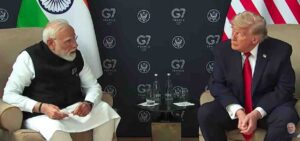
Russian crude has become an important component of India’s energy-import strategy, particularly as geopolitical tensions and disruptions to shipping routes in the Middle East have heightened concerns about supply security and international oil prices.
A potential 100 per cent US tariff would have created considerable uncertainty for Indian exporters. Higher duties could make Indian products more expensive for American importers, weaken their competitiveness against overseas rivals and place pressure on businesses dependent on access to the US market.
The United States is a major destination for Indian goods, making tariff stability an important consideration for exporters across multiple sectors.
The waiver reduces the immediate risk of an additional tariff shock linked to India’s purchases of Russian energy. It also provides negotiators with greater room to pursue a more predictable framework for bilateral commerce.
India Had Warned of Damage to Bilateral Relations
New Delhi had previously communicated its concerns about the proposed sanctions framework to Washington. The Indian government maintained that its energy decisions were guided by national interests, market conditions and the need to ensure reliable supplies for a population of approximately 1.4 billion people.
Also Read | “Ready To Connect India With High-Speed Internet”: Starlink Challenges Reliance In Satellite Broadband Race
India also emphasised its determination to protect its trade and economic interests while continuing to diversify its energy sources.
The potential impact of the legislation had become an important issue in India-US discussions, with officials in New Delhi warning that punitive trade measures could complicate the broader bilateral relationship.
The latest US decision eases one immediate source of friction, although it does not resolve every outstanding disagreement over energy imports, trade barriers and market access.
Oil Prices and US Domestic Politics
The decision also comes at a time when energy affordability has become a major concern in the United States. Rising fuel costs and uncertainty in global energy markets have increased pressure on the administration to avoid measures that could further disrupt supplies or push prices higher.
The timing is politically significant, with US midterm elections approaching on November 3, 2026. Higher fuel prices can affect households, farmers, transport operators and businesses, making energy costs a sensitive issue for policymakers.
Trump’s decision to suspend the measures may therefore reflect a calculation that immediate implementation could conflict with broader American economic and energy interests.
However, critics of the waiver argue that easing pressure on Moscow could weaken efforts to make Russia pay an economic price for its continuing war against Ukraine.
Russia Sanctions Waiver Does Not Guarantee Permanent Relief
The suspension should not be interpreted as a permanent exemption for India from all possible US trade penalties. The executive order leaves the administration with the option of taking further action if it considers that necessary.
India’s trade negotiators will therefore continue to monitor Washington’s approach as both countries work towards greater certainty on tariffs, market access and the future of their economic relationship.
The development is an important short-term reprieve for Indian exporters and energy policymakers. Nevertheless, the longer-term outcome will depend on how the US administration exercises its remaining powers and whether the two countries can establish a more stable trade arrangement.
For now, Trump’s decision has eased the immediate threat of a dramatic tariff escalation over Russian oil purchases. For India, the priority remains protecting energy security, preserving export competitiveness and maintaining a constructive relationship with the United States without compromising its national economic interests.
Click here to join our WhatsApp Channel for real-time news updates and exclusive coverage.