
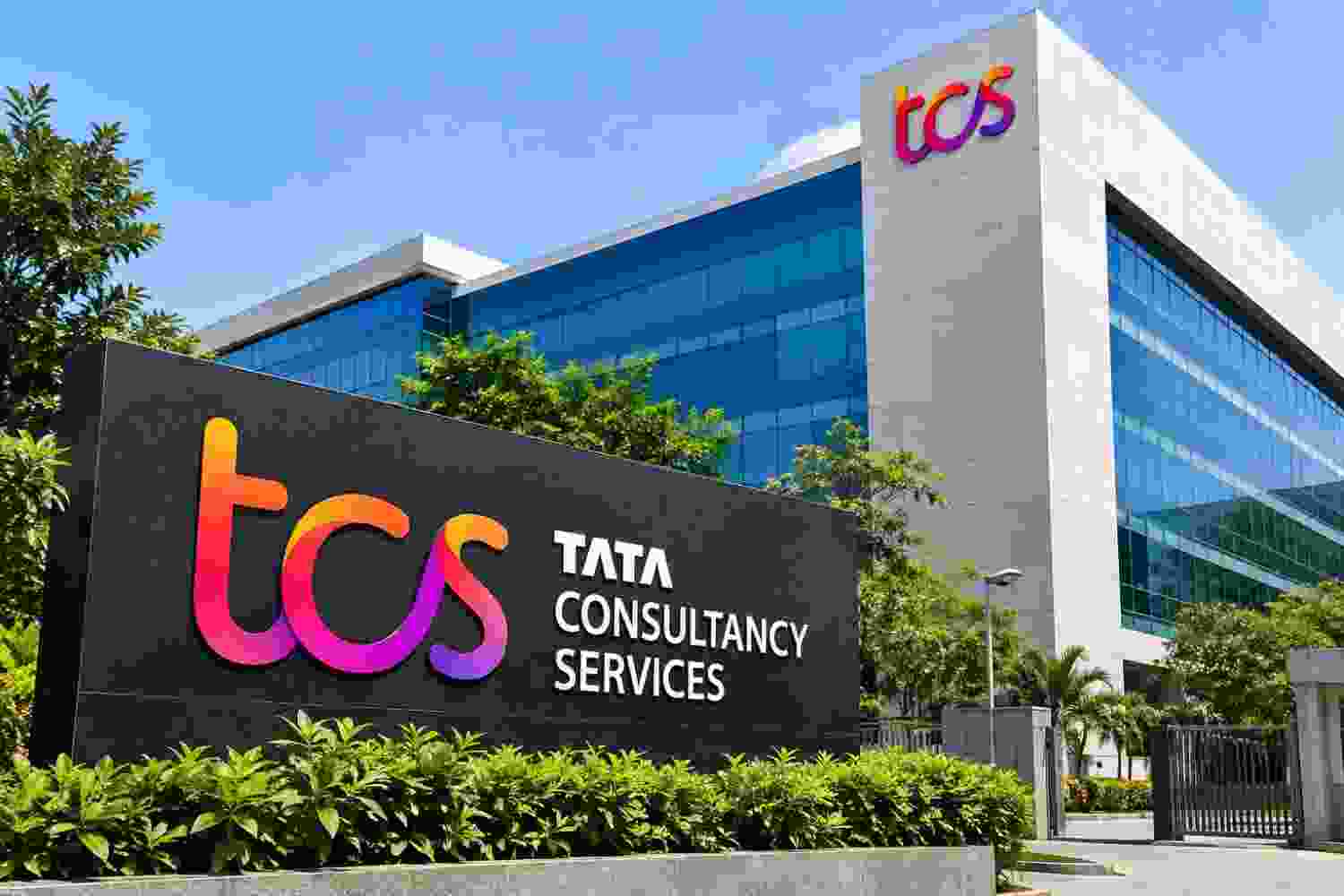
Tata Consultancy Services (TCS), one of India’s largest IT services companies, has expressed confidence in its US workforce strategy despite the Trump administration’s suspension of a key employment-based green card programme for major technology companies. The company continues to target 15,000 additional hires in the United States over the next five years.
The announcement comes amid an intensifying US immigration crackdown targeting several prominent technology and IT services firms. The restrictions have raised concerns about the future of employment-based permanent residency for foreign professionals, including Indian workers employed in the American technology sector.
TCS said the latest move is unlikely to have a material impact on its workforce plans or client engagements. The company indicated that its reliance on the affected Permanent Labour Certification programme, commonly known as PERM, has been limited in recent years.
According to the company, its PERM applications have remained in single digits over the past two years. This relatively low level of dependence is a key reason TCS believes the suspension will not significantly disrupt its recruitment operations.
The company’s commitment to hiring 15,000 additional employees highlights its continued focus on the US market, where demand for technology services, digital transformation and business consulting remains important to its global operations.
What Is the Trump Administration’s Green Card Crackdown?
The US government announced the suspension on October 8, affecting eight major technology and IT services companies. The companies named include TCS, Infosys, Wipro, HCLTech, Cognizant, Microsoft, Adobe and Capgemini.
US Vice President JD Vance and Labor Secretary Keith Sonderling presented the action as part of a broader effort to address alleged misuse of skilled-worker immigration programmes and protect employment opportunities for American workers.
The Department of Labor said it would stop accepting new PERM applications and processing pending applications involving the affected companies.
PERM is an important step in many employer-sponsored employment-based green card cases. Under the process, employers generally must demonstrate that qualified US workers are not sufficiently available for the position and that hiring a foreign worker would not adversely affect the wages and working conditions of similarly employed American workers.
Following labour certification, eligible employers can proceed with the relevant immigration petition, subject to other requirements.
The suspension could therefore create uncertainty for foreign professionals whose employers were pursuing permanent residency through this route.
Why TCS Expects Limited Business Disruption
TCS’s response reflects the structure of its US recruitment strategy, which emphasises hiring locally and developing talent through campus recruitment.
By recruiting people already authorised to work in the United States, the company can reduce its dependence on immigration processes that may be affected by policy changes. Local recruitment also helps technology service providers build a workforce suited to client requirements and regional business needs.
The company’s limited recent use of PERM suggests that the suspension may have a relatively small direct impact on its existing workforce plans. However, the wider consequences for individual employees and the industry could be more significant.
The restriction does not automatically cancel existing H-1B visas. The H-1B programme permits eligible employers to hire foreign professionals temporarily, whereas PERM is a separate process commonly used in applications for employment-based permanent residency.
Consequently, the immediate implications will vary according to each worker’s immigration status, application stage and eligibility for other legal pathways.
Indian IT Workers Face Fresh Immigration Uncertainty
The suspension presents a challenge for Indian technology professionals who hope to establish long-term careers in the United States. For some workers, an employer-sponsored green card offers a route towards permanent residency after years of temporary employment.
Delays or interruptions in this process could complicate future planning, particularly for employees approaching the limits of their authorised temporary stay. The consequences will depend on individual circumstances and applicable immigration rules.
Also Read | US Targets Microsoft In H-1B Crackdown As JD Vance Demands ‘Americans First’
The development also creates fresh challenges for companies that rely on internationally mobile technology professionals. Employers may need to reassess staffing arrangements, recruitment priorities and long-term employee retention strategies as US immigration policies evolve.
At the same time, the administration’s decision has intensified debate over how the United States should balance domestic employment priorities with its technology sector’s need for specialised skills.
US Hiring Strategy Becomes Increasingly Important
For TCS, the commitment to recruit 15,000 additional employees over five years sends a clear signal that the company intends to continue expanding its American workforce despite regulatory uncertainty.
The strategy places greater emphasis on local hiring and talent development rather than extensive dependence on employer-sponsored green card applications.
The latest policy shift nevertheless leaves questions about how affected companies will manage future permanent residency applications and whether further restrictions could emerge.
For now, TCS expects the PERM suspension to have no material impact on its business strategy. Its response highlights how local recruitment can provide technology companies with greater flexibility as they navigate a changing immigration landscape.
The broader implications for Indian IT professionals will become clearer as the restrictions are implemented and companies assess their options. While TCS’s hiring ambitions remain intact, the suspension marks another significant development in the Trump administration’s effort to reshape skilled-worker immigration in the United States.
Click here to join our WhatsApp Channel for real-time news updates and exclusive coverage.