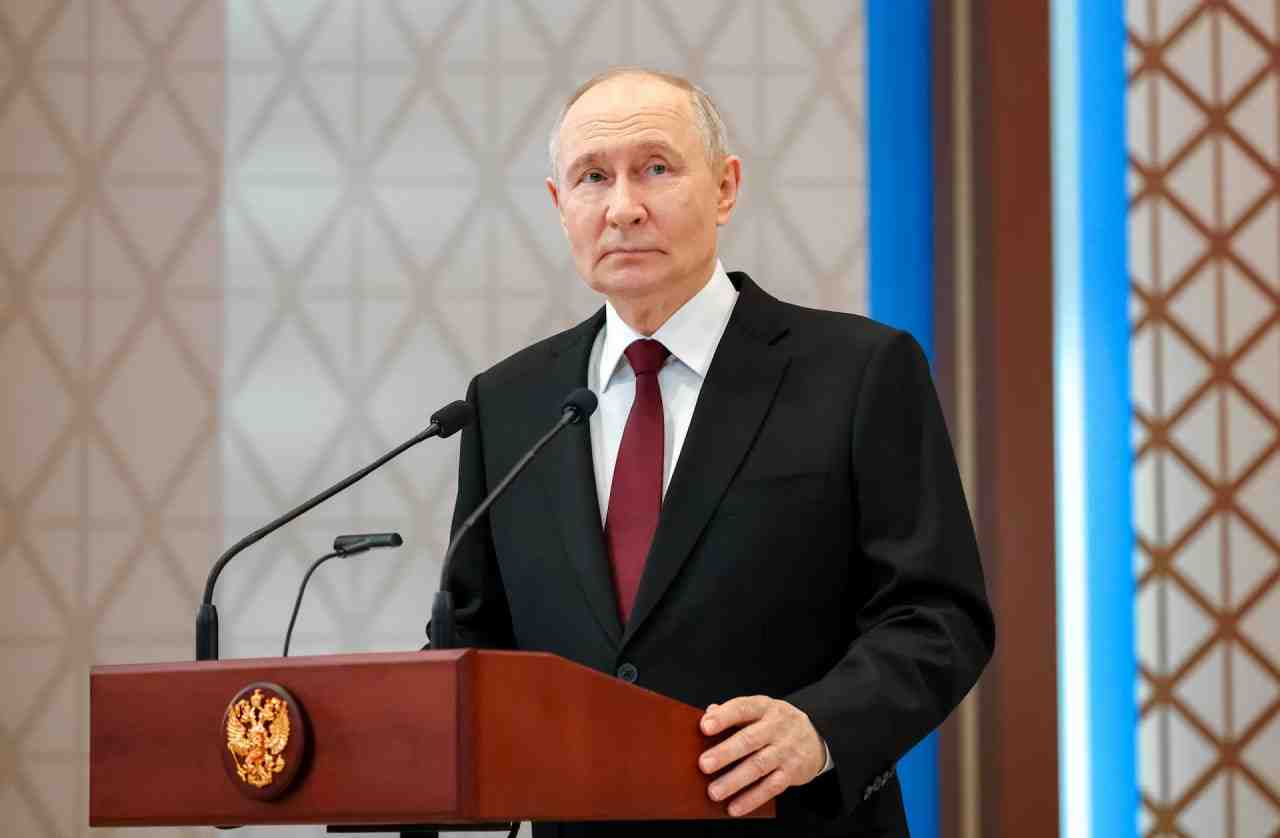
Russia’s ruling United Russia party is leading the country’s first parliamentary election since the full-scale invasion of Ukraine, with early results indicating that President Vladimir Putin’s political dominance is set to continue. The three-day State Duma election ended on Sunday, September 20, with preliminary figures showing United Russia comfortably ahead in party-list voting.
With around 58% of precincts counted, United Russia had secured nearly 58% of the vote allocated through the party-list system, according to Russia’s Central Election Commission. The remaining half of the 450-seat State Duma is contested through single-member constituencies, where United Russia was also leading in most races.
Putin’s Political Influence Remains Central
The parliamentary election is significant because it is the first State Duma vote since Moscow launched its full-scale military operation in Ukraine in February 2022. The Kremlin has presented the election as an opportunity to demonstrate national unity and support for government policies during the continuing conflict.
Putin has publicly connected support for United Russia with support for his broader political agenda, including the government’s approach to the war. The party previously won 324 of the 450 seats in the 2021 parliamentary election, giving it a commanding position in the lower house.
Early results indicate that the party remains on course to retain control of the legislature. Other established parties, including the Communist Party, the Liberal Democratic Party of Russia, A Just Russia and New People, were also expected to return to the Duma.
Election Held Under Tight Political Conditions
The 2026 election has attracted international attention because of the limited space available to anti-war and opposition candidates. The liberal Yabloko party, which had opposed the war, was removed from the nationwide ballot by the Supreme Court in August, while several anti-war politicians were imprisoned, barred from standing or left the country.
Authorities of Moscow have defended restrictions on political activity as necessary during wartime. Critics, however, argue that the exclusion of major anti-war voices has reduced the level of political competition.
The election also proceeded without observers from the Organization for Security and Co-operation in Europe’s Parliamentary Assembly. Russian officials had rejected the participation of the organisation, while OSCE representatives said the decision breached Russia’s commitments as a member state.
Turnout Reaches More Than 56%
More than 111 million people were eligible to participate in the election. The Central Election Commission reported turnout of 56.66% when voting ended on Sunday. Voting took place over three days and included conventional ballots as well as remote electronic voting.
The Kremlin is likely to use the result as evidence of continued public support for Putin’s policies. Reuters reported that the election was widely viewed as a test of support for the government and its handling of the Ukraine war.
However, the absence of several opposition forces means the results are being interpreted within a political environment where the range of competing choices was restricted.
Ukraine War Casts Shadow Over Polling
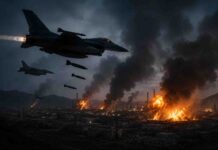
The parliamentary vote took place amid continued fighting between Moscow and Kyiv. On the final day of voting, Ukrainian forces launched a major drone attack targeting Moscow and other regions.
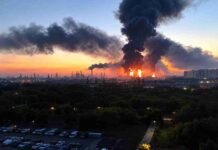
The officials said hundreds of drones were intercepted and accused Kyiv of attempting to disrupt the election. Moscow Mayor Sergei Sobyanin said the attack had failed to prevent voting from taking place. Reuters reported that the strikes caused deaths and damage in the Moscow region, including damage at an oil refinery.
Ukraine has rejected Russia’s characterization of the election in occupied Ukrainian territories and has called the voting there illegitimate. The European Union has also criticized Russia’s organization of elections in territories it considers illegally annexed.
Cyberattacks Add to Election Scrutiny
Russia’s electronic voting system also came under pressure during the election. Election officials said Moscow’s online voting infrastructure was targeted by cyberattacks, although authorities maintained that the voting process continued.
Reports also emerged of technical difficulties and disputes at some polling locations. Opposition figures questioned whether some problems were simply technical failures, while Russian authorities maintained that the electoral system remained operational.
Also Read | “Very Big Things” Ahead: Trump Weighs 3 Options As Iran War Tensions Escalate
The controversy surrounding electronic voting adds another layer of scrutiny to an election already taking place amid intense political and military pressure.
What the Early Results Mean for Russia’s Parliament
If the preliminary trends are confirmed by final results, United Russia will continue to dominate the State Duma and provide the Kremlin with a strong parliamentary base. Early reporting indicated that the party was leading both in party-list voting and across many single-member constituencies.
The election therefore represents continuity rather than a major shift in Russia’s political structure. At the same time, the restricted participation of anti-war opposition groups, the voting in Russian-occupied Ukrainian territories, cyber incidents and the broader wartime environment are likely to remain subjects of international scrutiny.
For the Kremlin, the result provides an opportunity to portray the election as confirmation of political stability and continued support for its policies. For critics and foreign governments, the circumstances surrounding the vote will remain central to assessments of its political significance.
Click here to join our WhatsApp Channel for real-time news updates and exclusive coverage.