
India has strongly condemned the latest attacks carried out by Yemen’s Houthi rebels against Saudi Arabia, describing strikes on civilian and economic infrastructure as unacceptable and warning that the escalation could threaten regional stability and freedom of navigation through the strategically important Bab-el-Mandeb Strait.
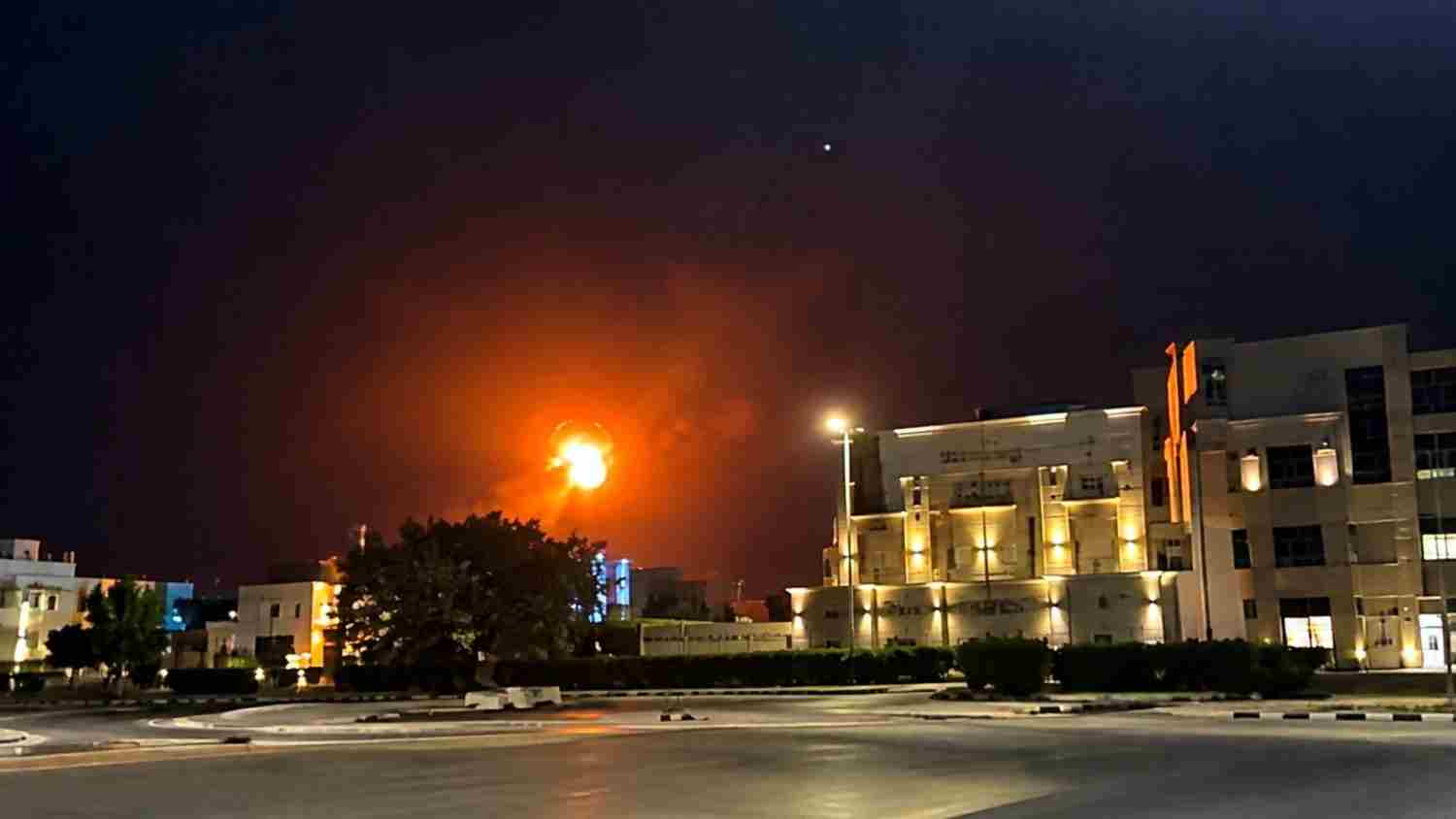
The Indian response came after a series of Houthi attacks targeted southern Saudi Arabia, including locations linked to the country’s energy infrastructure. Saudi authorities said the attacks caused fires at several sites and left 73 people injured. The developments have raised fresh concerns about the security of vital energy facilities and international shipping routes across the Red Sea region.
India Calls Attacks Unacceptable
External Affairs Ministry spokesperson Randhir Jaiswal said India condemned the attacks on Saudi sovereign territory, particularly the targeting of civilian and economic facilities. He stressed that actions capable of undermining regional security and stability, while threatening freedom of navigation through Bab-el-Mandeb, could not be accepted.
India’s statement highlights the country’s broader concern over growing instability in West Asia. New Delhi has consistently attached importance to the safety of commercial shipping and uninterrupted movement through critical maritime corridors, particularly because disruptions in the region can affect energy supplies, trade and transportation costs.
Houthi Strikes Hit Southern Saudi Arabia
The attacks were reported across several southern Saudi cities, including Abha, Khamis Mushait, Jazan and Najran. According to Saudi-led coalition statements and Saudi authorities, the assault involved missiles and drones and affected energy-related facilities as well as other strategic locations.
The Houthi military spokesperson said the group had launched what was described as a broad operation against Saudi Arabia. Targets included facilities belonging to Saudi oil giant Aramco in Abha, Najran and Jizan, along with an air base in Khamis Mushait.
Saudi officials said emergency teams were deployed after fires broke out at several locations. The country’s Energy Ministry said measures would be taken to protect facilities and workers and to maintain operations under established plans.
The latest attacks have also intensified concerns about the possible impact on global oil markets. Reuters reported that Brent crude prices climbed toward $98 a barrel after the Saudi Energy Ministry confirmed the attacks, while US crude futures also moved sharply higher.
Bab-el-Mandeb Emerges as Major Flashpoint
The Bab-el-Mandeb Strait has become increasingly significant amid the wider regional conflict. The narrow waterway connects the Red Sea with the Gulf of Aden and serves as a major maritime route between the Middle East, Europe and Asia.
India’s concern over freedom of navigation is particularly significant because disruptions in the Red Sea can have consequences far beyond the immediate conflict zone. Commercial vessels using the route can face higher insurance costs, longer journeys and increased security risks when tensions rise.
The strategic importance of the corridor has also increased for Saudi Arabia following restrictions affecting the Strait of Hormuz. According to the Hindustan Times report, Saudi seaborne crude exports through Bab-el-Mandeb between March and July were eight times higher than during the corresponding period in 2025.
Conflict Threatens Wider Regional Stability
The renewed violence comes as fighting between Iran-aligned Houthi forces and Saudi-backed forces in Yemen has intensified. The escalation is being viewed as one of the most serious developments since the UN-backed ceasefire reduced widespread fighting in 2022.
The Houthis have focused considerable attention on the Bab-el-Mandeb area and announced a blockade of Saudi shipping in July. Their military activity around the strategic corridor has added another layer of risk to an already fragile regional security environment.
The latest escalation is also unfolding against the backdrop of heightened tensions between Iran and the United States. The broader Middle East conflict has placed additional pressure on energy markets and raised fears that attacks on oil infrastructure and maritime routes could trigger further economic disruption.
Pakistan and Turkiye Also Condemn Attacks
India was not alone in expressing concern. Pakistan and Turkiye have also condemned the Houthi attacks on Saudi Arabia. Turkiye’s position carries added significance after Ankara recently signed the Makkah Joint Defence Agreement with Riyadh.
For India, the latest developments underline the importance of preventing further escalation and safeguarding international maritime routes. Saudi Arabia remains one of India’s major energy suppliers, making stability across the Gulf and Red Sea strategically important for New Delhi.
The immediate focus now remains on containing the violence, protecting energy infrastructure and ensuring that commercial vessels can continue to navigate key waterways safely. Any prolonged disruption around Bab-el-Mandeb could create wider consequences for global trade, energy supplies and regional security.
Click here to join our WhatsApp Channel for real-time news updates and exclusive coverage.