Nepal has launched a strong diplomatic push for climate compensation from major greenhouse-gas emitters, naming India, China and the United States after a devastating flash-flood disaster left a trail of deaths, destruction and widespread displacement across the Himalayan nation.
Nepal’s Foreign Minister Shishir Khanal has argued that financial assistance following the disaster should not be viewed simply as charity. Instead, Kathmandu wants support to be treated as a matter of climate justice and responsibility, pointing to Nepal’s extremely low contribution to global greenhouse-gas emissions and its disproportionate exposure to climate-related disasters.
Nepal calls for ‘justice and compensation’
Khanal said Nepal was changing the way it approaches international climate diplomacy, moving away from a framework centred primarily on aid and towards one focused on justice and compensation.
According to Nepal’s foreign minister, the country is facing severe consequences from a global climate crisis despite contributing very little to the emissions driving global warming. He specifically identified China, the United States and India among the world’s biggest emitters and argued that major industrial economies have a responsibility towards climate-vulnerable countries.
The demand comes as Nepal struggles with the aftermath of one of the most destructive disasters to hit the Himalayan region in recent years. The floods and associated destruction have devastated communities, damaged infrastructure and severely disrupted economic activity.
Catastrophic Himalayan floods intensify climate debate
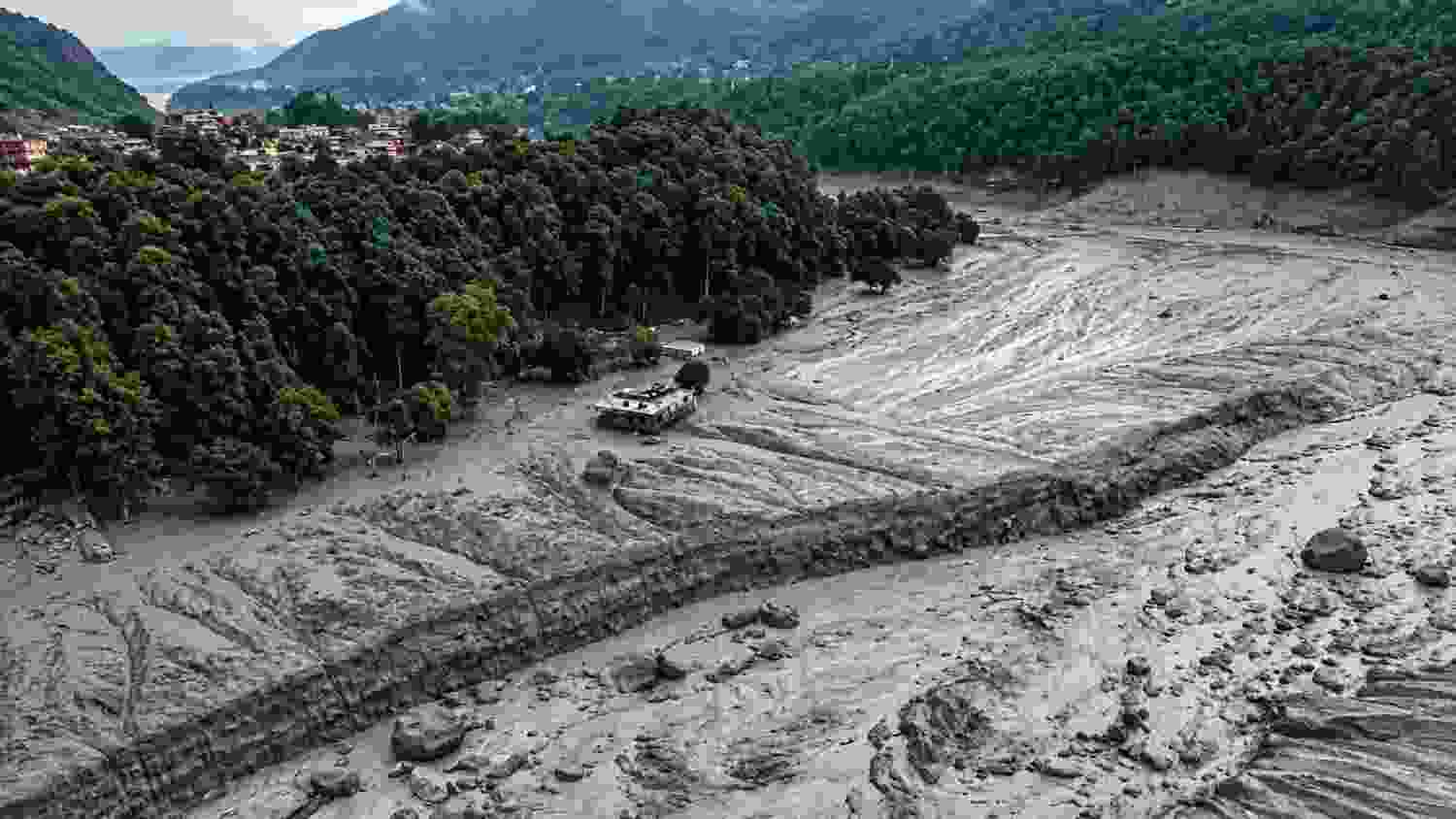
The disaster followed a massive glacier-related event in the Himalayan region that unleashed destructive flows of water, rock, ice and debris. The resulting floods swept through communities and damaged roads, bridges, hydropower infrastructure and other critical facilities.
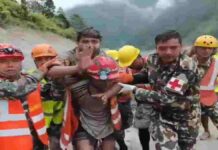
The scale of the disaster has raised renewed concerns about the vulnerability of Himalayan countries to climate change. Recent reporting indicates that more than 1,000 people have died in Nepal, while thousands remain missing. Rescue teams continue to search damaged areas, including hydropower facilities where people may have been trapped.
The tragedy has also highlighted the growing risks associated with melting glaciers and unstable mountain environments. United Nations officials and climate experts have warned that the Himalayan region could face increasingly severe glacial-flood risks as global temperatures rise.
Why India, China and US are being named
Nepal’s compensation demand is closely linked to the broader international debate over climate finance and loss and damage.
China, the United States and India are among the world’s largest greenhouse-gas emitters. Nepal argues that countries with significant emissions should shoulder greater responsibility for helping nations that are particularly vulnerable to climate-related disasters.
The argument is especially significant for Nepal because its economy and communities are heavily exposed to Himalayan environmental changes. Glaciers, rivers and mountain ecosystems play a critical role in the country’s water supply, agriculture, tourism and hydropower sectors.
Also Read — Delhi-NCR Rain Alert: IMD Warns Of Heavy Showers, Thunderstorms Through September 5
At the same time, the recent disaster has demonstrated how quickly extreme events can overwhelm infrastructure and emergency systems. Reuters reported that the floods damaged a significant portion of Nepal’s electricity-generation capacity, forcing the normally power-exporting country to halt exports and increase electricity imports from India.
Climate compensation demand raises diplomatic questions
Nepal’s position could add momentum to discussions over how the international community should respond when climate-related disasters cause massive economic and human losses.
For developing and climate-vulnerable nations, the issue is not limited to emergency relief. Governments increasingly argue that climate finance should help rebuild destroyed infrastructure, strengthen disaster preparedness, improve early-warning systems and protect communities from future disasters.
Nepal’s latest demand therefore extends beyond immediate flood relief. Kathmandu is seeking recognition that vulnerable countries need long-term financial resources to deal with consequences they argue are linked to a climate crisis largely driven by higher-emitting economies.
However, the question of legal liability remains complicated. International climate negotiations have long involved disagreements over historical responsibility, financial obligations and the distinction between voluntary assistance and legally enforceable compensation.
Disaster exposes Nepal’s growing climate vulnerability
The recent floods have also renewed calls for stronger regional cooperation. Nepal has previously sought improved information sharing and early-warning arrangements concerning glacier and flood risks, particularly with neighbouring countries. Officials have stressed the importance of timely data to help communities prepare for sudden disasters.
Experts say the Himalayan region needs stronger monitoring systems, resilient infrastructure, better disaster planning and closer cross-border cooperation as climate-related risks intensify.
For Nepal, the devastating floods have transformed climate change from a long-term environmental concern into an immediate national security and development challenge.
Kathmandu’s decision to seek compensation from India, China and the United States signals a sharper diplomatic stance. Nepal is now seeking not only emergency assistance but also greater international recognition of the financial and human costs faced by countries on the front lines of the climate crisis.
The demand is likely to add a new dimension to global discussions on climate justice, particularly as vulnerable nations push for greater access to loss-and-damage financing following increasingly destructive extreme-weather events.
Click here to join our WhatsApp Channel for real-time news updates and exclusive coverage.