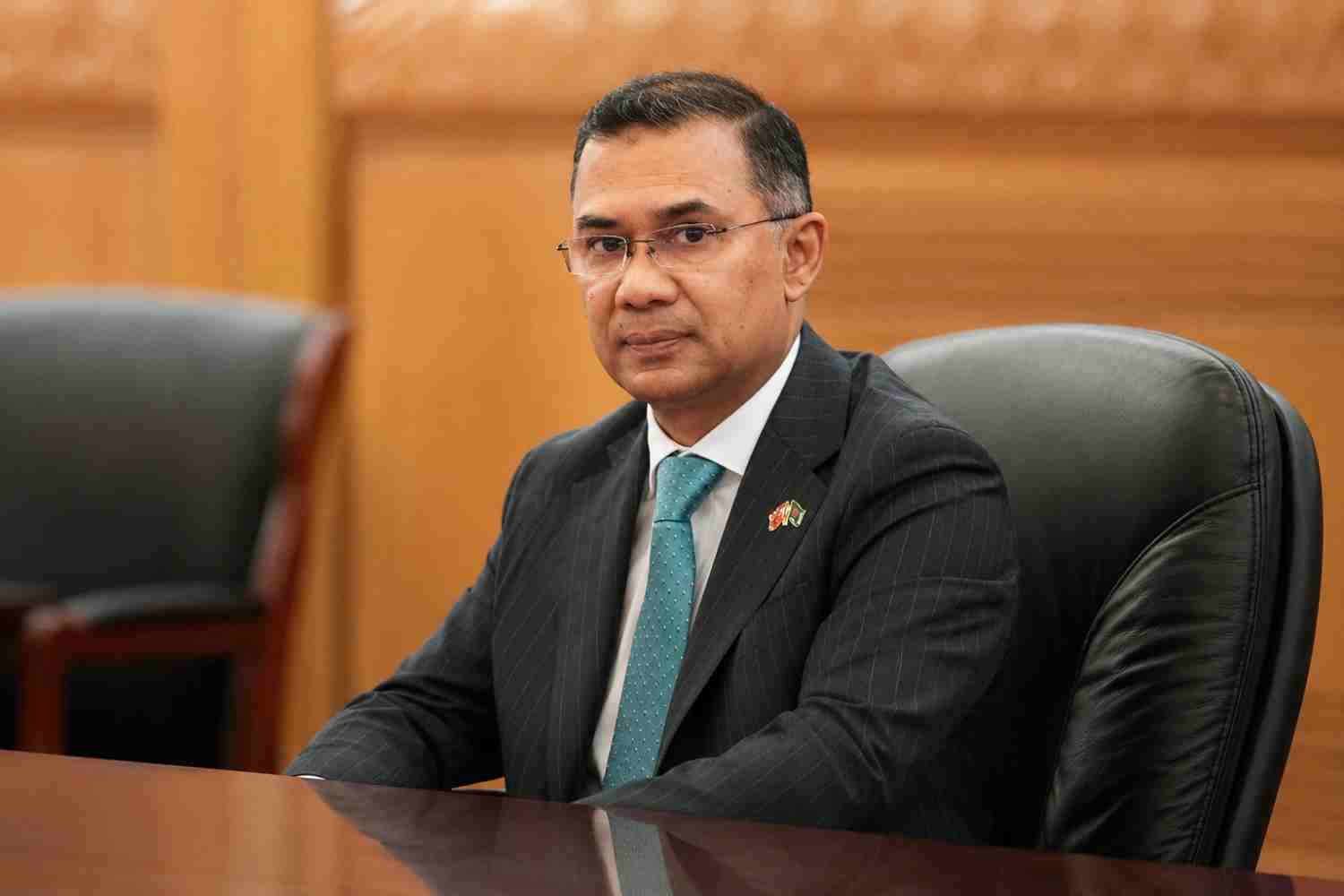
Bangladesh Prime Minister Tarique Rahman’s proposed visit to India has been postponed, in a development that has exposed the growing strain in India-Bangladesh relations and raised fresh questions over the future direction of ties between the two neighbouring countries.
Rahman was expected to travel to India around August 23-25, marking a potentially important opportunity for the two governments to begin rebuilding relations after years of political turbulence in Bangladesh. However, the proposed trip failed to materialise as differences between Dhaka and New Delhi remained unresolved.
The uncertainty surrounding the visit has also highlighted how deeply the issue of former Bangladesh Prime Minister Sheikh Hasina continues to influence bilateral diplomacy. Hasina has been living in India since leaving Bangladesh following the political upheaval of August 2024. Dhaka has repeatedly sought her extradition, while New Delhi has indicated that the request is being examined through the appropriate legal process.
Tarique Rahman’s Delhi visit becomes a diplomatic flashpoint
The proposed India trip was widely viewed as an important chance for Rahman’s government to establish a fresh working relationship with New Delhi. India had extended an invitation for a bilateral visit after Rahman assumed office in February, while Bangladesh was also invited to participate in the BRICS outreach session scheduled in New Delhi in September in its capacity as chair of BIMSTEC.
Preparations for a possible August visit had reportedly advanced considerably. Arrangements were being considered for an official welcome at Rashtrapati Bhavan, a ceremonial reception and a state banquet. However, those preparations were subsequently put on hold, while a Rashtrapati Bhavan communication concerning the arrangements was withdrawn, adding to the confusion surrounding the visit.
India’s Ministry of External Affairs also avoided providing a definitive update when questioned about the proposed trip, further underscoring the uncertainty.
Sheikh Hasina extradition dispute remains central
At the heart of the diplomatic disagreement is Bangladesh’s demand for the return of Sheikh Hasina and other individuals wanted by Dhaka.
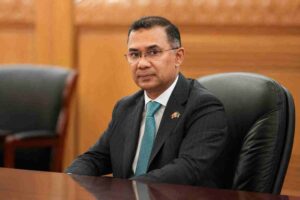
Bangladesh has made the extradition issue a major component of its engagement with India. Officials in Dhaka have argued that progress on the matter is important for creating the right atmosphere for high-level political engagement. Diplomatic sources have also indicated that concerns about political activities by Hasina while in India have complicated the proposed visit.
The dispute has created a difficult situation for both governments. For Bangladesh, Hasina’s return remains politically significant. For India, any extradition decision involves legal and diplomatic considerations that cannot simply be resolved through political pressure.
Dhaka seeks respect and a new diplomatic approach
Bangladesh has simultaneously stressed that it wants constructive relations with India but does not intend to compromise its national interests.
Humaiun Kobir, who has been associated with Rahman’s foreign-policy team, has argued that a high-level visit should take place only after adequate preparation, substantive discussions and greater mutual confidence. Dhaka has also emphasised sovereignty, equality and a dignified diplomatic process as important elements of any future engagement.
This position reflects a broader shift in Bangladesh’s foreign-policy messaging. The Rahman government appears determined to maintain relations with India while simultaneously asserting greater diplomatic independence.
India-Bangladesh ties face a critical test
The postponement comes at a sensitive moment for bilateral relations. India and Bangladesh share extensive economic, security, cultural and geographical connections. Cooperation covers trade, power and energy, transport, border management and water resources.
Yet several unresolved issues are putting pressure on the relationship. Apart from the Sheikh Hasina question, disagreements involving border incidents, energy cooperation and water-sharing arrangements have added complexity to the bilateral agenda. The renewal of the Ganga Water Sharing Treaty is another issue that could require sustained political attention.
Against this backdrop, a direct meeting between Modi and Rahman could have provided an important platform for addressing difficult issues and establishing communication at the highest political level.
What happens next?
Despite the postponement, the possibility of a future Tarique Rahman visit to India has not completely disappeared. Reports indicate that diplomatic contacts between the two sides are continuing, with discussions focused on finding a mutually acceptable framework for engagement later in August or at another suitable time.
Also Read — Delhi Rain: IMD Issues Red Alert As Waterlogging And Flight Chaos Loom
Bangladesh has also maintained that there is no urgency to arrange a top-level visit unless sufficient groundwork has been completed. Dhaka’s message is that any engagement should produce tangible results rather than simply serve as a ceremonial diplomatic exercise.
For India, the challenge will be to preserve a relationship that has strategic importance while addressing Bangladesh’s concerns through established diplomatic and legal channels.
The postponed visit therefore represents more than a missed diplomatic appointment. It is a warning sign about the fragile state of India-Bangladesh relations. Whether New Delhi and Dhaka can overcome the current distrust will depend on their ability to separate immediate political disagreements from the long-term interests shared by the people of both countries.
The coming weeks could prove decisive. A carefully prepared Rahman-Modi meeting could open a new chapter, but continued uncertainty risks allowing unresolved disputes to deepen an already fragile relationship.
Click here to join our WhatsApp Channel for real-time news updates and exclusive coverage.