
India has delivered a firm and unambiguous response to China’s latest objection over the naming of 27 locations and geographical features in Arunachal Pradesh, reiterating that the northeastern state is an “inalienable and integral part” of the country. The Ministry of External Affairs (MEA) said that no attempt to alter names or make territorial claims can change this established reality.
The diplomatic exchange comes after China strongly criticised New Delhi’s recent decision to formally identify 27 places and features in Arunachal Pradesh using their standard Indian names on the official map. Beijing described India’s move as “illegal, null and void” and again asserted its claim over the region, which China refers to as “Zangnan”.
MEA Sends Strong Message to Beijing
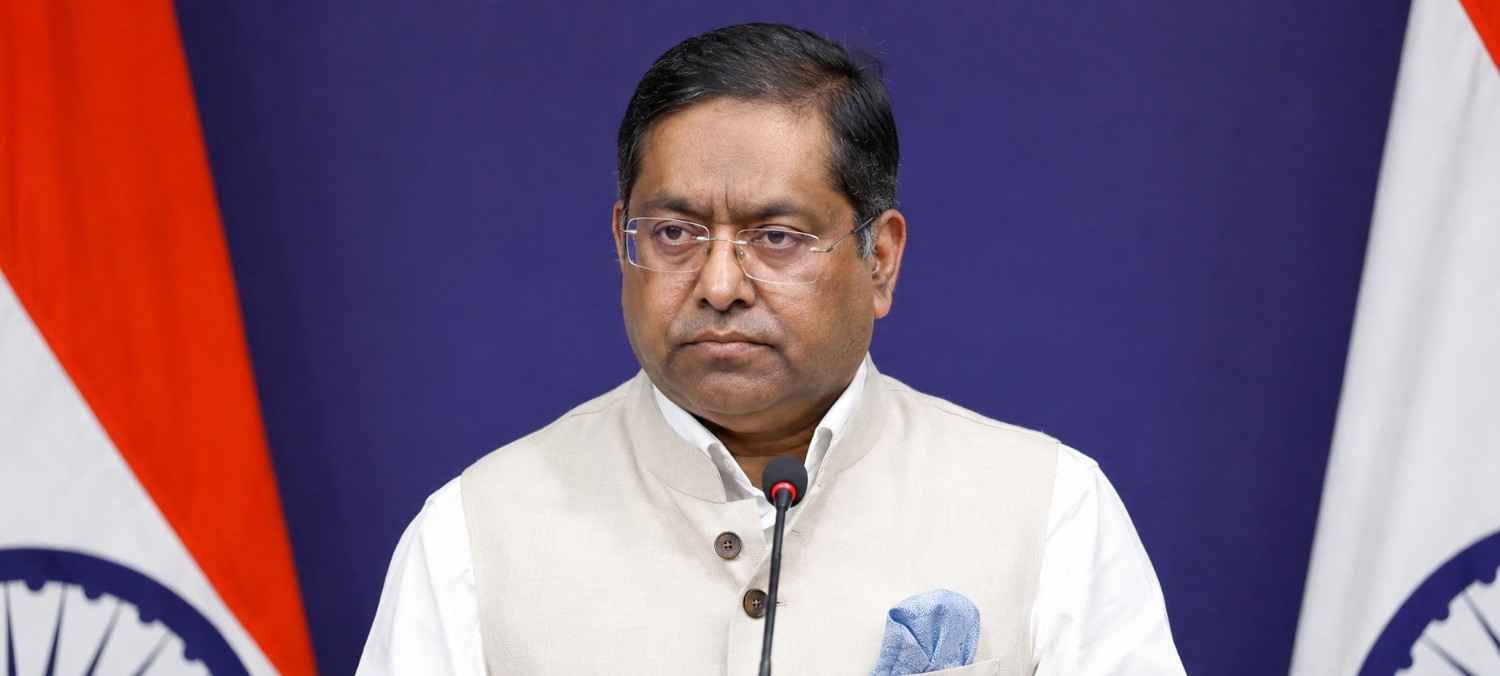
Responding to questions about China’s objections, MEA spokesperson Randhir Jaiswal reaffirmed New Delhi’s position on Tuesday.
He said Arunachal Pradesh is an “inalienable and integral part of India” and underlined that nothing can change what he described as the “indisputable reality” of India’s sovereignty over the state.
The statement reflects New Delhi’s longstanding position that China’s efforts to rename places in Arunachal Pradesh have no bearing on India’s administration or territorial claims.
New Delhi has consistently rejected Chinese attempts to assign alternative names to locations in the state, maintaining that nomenclature cannot determine sovereignty over territory.
India Officially Identifies 27 Locations
The latest development follows India’s formal identification of 27 locations and geographical features in Arunachal Pradesh by their standard names.
The updated mapping exercise includes different geographical features in the strategically important border state. According to reports, the list includes mountains, passes, rivers, a lake and other features. The move was made through an official cartographic framework and comes against the backdrop of repeated Chinese attempts to rename places in Arunachal Pradesh.
The decision is significant because geographical names have increasingly become part of the broader diplomatic contest between New Delhi and Beijing over the disputed boundary.
China Calls ‘Illegal’
China reacted sharply to India’s latest move. Chinese Foreign Ministry spokesperson Guo Jiakun said Beijing did not recognise what it described as the “so-called Arunachal Pradesh” and called New Delhi’s attempt to replace names used by China “illegal, null and void”. China also reiterated its claim that the region it calls Zangnan belongs to China.
Beijing’s latest statement is part of a broader pattern. China has periodically announced its own names for locations in Arunachal Pradesh since 2017, presenting the renaming exercise as an assertion of its territorial claims.
New Delhi, however, has repeatedly dismissed such actions and maintained that changing names cannot alter the ground reality or India’s sovereignty.
Arunachal Pradesh Remains a Major Flashpoint
Arunachal Pradesh has remained one of the most sensitive issues in India-China relations. China claims large parts of the northeastern state, while New Delhi firmly maintains that Arunachal Pradesh is an integral part of the country.

The region is strategically important because of its location along the India-China frontier. The two countries have also experienced prolonged military tensions along the Line of Actual Control (LAC), making developments related to the border particularly sensitive.
Against this background, the latest dispute over geographical names carries significance beyond cartography. For both countries, official maps, place names and administrative descriptions are closely linked to their respective territorial positions.
New Delhi’s decision to formally identify the 27 locations therefore represents a clear assertion of its administrative and cartographic position.
Naming Dispute Adds New Pressure to Bilateral Ties
The latest confrontation comes at a time when India and China have been attempting to stabilise their relationship after years of tensions along the LAC.
China has argued that New Delhi’s decision could complicate efforts to resolve outstanding border issues. Chinese state-linked commentary has also criticised the move and suggested that such actions could affect bilateral negotiations.
Also Read: Vande Mataram Gets Historic Legal Protection As President Murmu Approves Landmark Bill
Delhi, meanwhile, has maintained that its actions are consistent with its sovereignty and administrative authority over Arunachal Pradesh.
The dispute highlights how even seemingly administrative decisions can become politically and diplomatically significant when they involve contested territory.
Position Remains Unchanged
For New Delhi, the message is straightforward: China’s objections or attempts to rename locations cannot alter Indian government’s position on Arunachal Pradesh.
The MEA’s latest statement again places sovereignty at the centre of India’s response. By describing Arunachal Pradesh as an “inalienable and integral part of India”, the government has signalled that there will be no ambiguity in its position on the state.
The latest exchange also demonstrates that the India-China boundary dispute remains unresolved despite efforts to improve bilateral relations.
As Beijing continues to challenge India’s naming and mapping decisions, New Delhi appears determined to reinforce its own official records and terminology.
For now, the 27-location naming issue has added another layer to the longstanding India-China territorial dispute, with both sides maintaining sharply contrasting positions. New Delhi’s latest response makes clear that it does not accept China’s territorial claims over Arunachal Pradesh and will continue to assert the state’s status as an integral part of India.
Click here to join our WhatsApp Channel for real-time news updates and exclusive coverage.