
India has strongly pushed back against criticism from US Congressman Riley Moore over the proposed Foreign Contribution (Regulation) Amendment Bill, 2026, making it clear that rules governing foreign funding are a matter of the country’s domestic legislative process.
The Ministry of External Affairs (MEA) said on August 7 that India’s laws are framed through an established democratic process and should be understood within the country’s constitutional and legal framework. The ministry also pointed out that several countries, including the United States, have their own legal mechanisms governing foreign contributions to organisations.
The response came days after Moore, a Republican representative from West Virginia, criticised the proposed amendments and alleged that they could adversely affect Christian organisations in India. He had described the proposed legislation as a “clear attack against Christians” and warned that it could have implications for India-US bilateral relations.
MEA Rejects Foreign Criticism of India’s FCRA Law
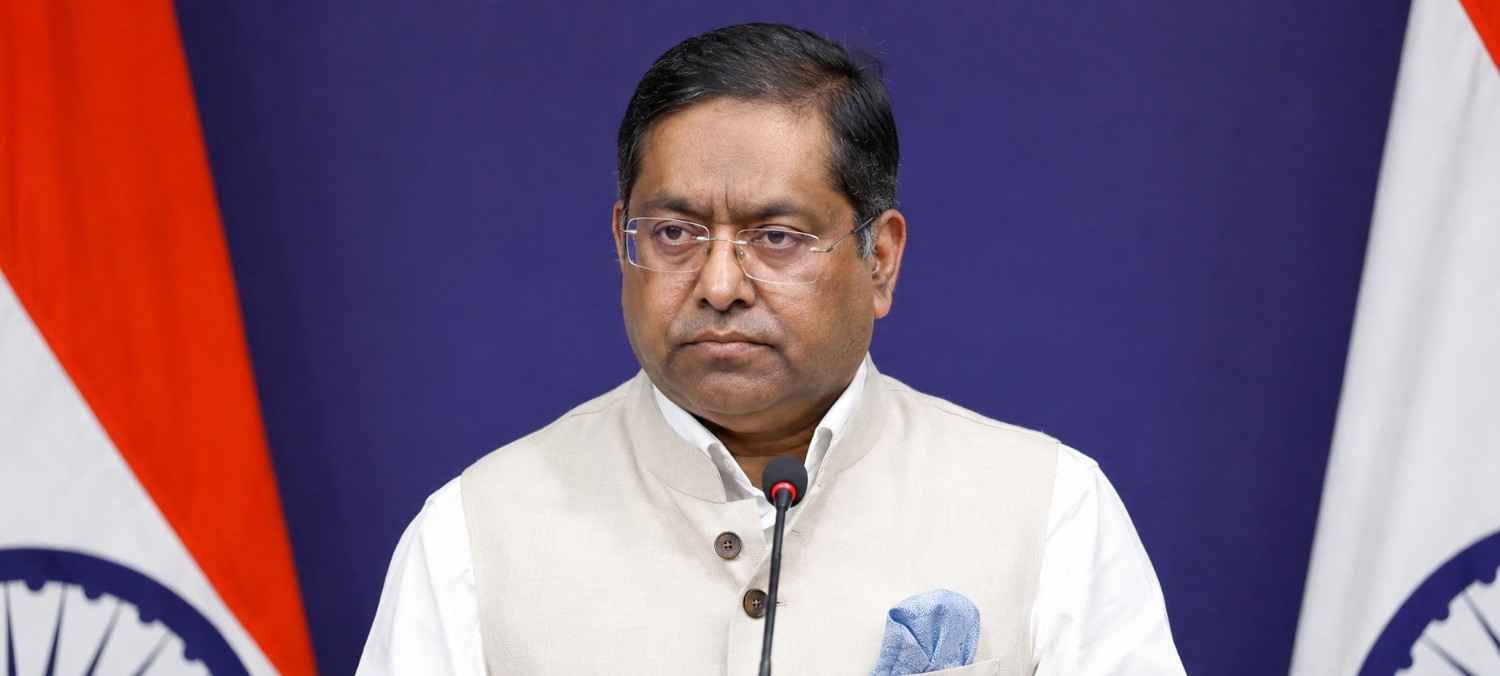
Responding to questions about Moore’s remarks, MEA spokesperson Randhir Jaiswal underlined that legislation concerning foreign contributions falls within India’s sovereign decision-making process.
The ministry stressed that foreign funding is regulated in many countries and that India is no exception. The government’s position is that the proposed changes are intended to improve oversight, transparency and accountability in the management of foreign contributions and assets.
The MEA’s response represents a firm rejection of the suggestion that the proposed amendments specifically target a particular religious community. The government maintains that the legislation applies to organisations covered by the FCRA framework and is intended to regulate the use and administration of overseas contributions.
What US Congressman Riley Moore Said
Moore issued his criticism on August 4, expressing concern over provisions dealing with organisations whose FCRA registration is cancelled, surrendered or not renewed.

He claimed that the proposed framework could potentially allow the Indian government to take control of churches and religious charities in certain circumstances. According to his argument, such provisions could disproportionately affect Christian organisations.
Moore urged the Indian government to reconsider the proposed amendments and linked his concerns to the broader India-US relationship.
India, however, has rejected the characterization that the legislation is aimed at Christians or any particular religious group. The Centre has instead argued that the proposed changes are designed to ensure that foreign-funded organisations comply with the law and that assets created using foreign contributions are properly protected.
FCRA Bill Seeks Greater Control Over Foreign-Funded Assets
The Foreign Contribution (Regulation) Amendment Bill, 2026 seeks to modify the existing FCRA framework, which regulates the acceptance and utilisation of foreign contributions by eligible individuals, associations, NGOs and other entities.
One of the most significant proposed changes concerns organisations that lose their FCRA certificates. The Bill creates a Designated Authority that would oversee, manage and potentially dispose of foreign contributions and assets belonging to organisations whose registration has been cancelled, surrendered or has ceased because of non-renewal.
The proposed system would initially allow such assets to remain under provisional management. If an organisation subsequently receives or restores its FCRA registration, eligible foreign contributions and assets could be returned under the proposed framework.
However, if the registration is not restored or renewed within the prescribed period, the assets could permanently vest with the Designated Authority.
The authority could use permanently vested assets for public purposes, transfer them to government departments or agencies, or dispose of them through permitted processes. Proceeds from such disposal, along with unutilised foreign contributions, would be credited to the Consolidated Fund of India.
Religious Character Of Places Of Worship To Be Preserved
The proposed legislation contains a specific provision concerning places of worship.
Where assets that become subject to the proposed vesting mechanism are wholly or partly places of worship, the Designated Authority would be required to ensure that their religious character is preserved.
The government has highlighted this provision while defending the Bill against allegations that it could be used to take over religious institutions.
According to the Centre’s position, the purpose is not to interfere with religious activities but to establish a legal mechanism for managing assets created through foreign contributions when an organisation no longer holds a valid FCRA registration.
Bill Sparks Debate Over NGO Assets And Government Powers
While the government says the proposed amendments are aimed at accountability and proper administration, the legislation has triggered concerns over the extent of government authority over foreign-funded organisations.
PRS Legislative Research has noted that the Bill could result in assets created using foreign contributions being vested in the Designated Authority when an organisation’s FCRA certificate ceases, including in cases where renewal is not sought or is denied.
The legislative analysis also raises concerns about the absence of a specific appeal mechanism when an FCRA renewal application is rejected. Under the proposed framework, denial of renewal could result in the certificate being treated as ceased, potentially triggering the asset-vesting provisions.
These provisions have therefore become a key part of the wider debate surrounding the Bill, with supporters emphasizing regulatory oversight and critics questioning the safeguards available to organisations.
India-US Tensions Over Foreign Funding Regulations
The dispute comes against the backdrop of wider discussions surrounding foreign funding, NGOs, religious organisations and regulatory transparency.
India’s latest response indicates that New Delhi does not intend to accept external political criticism of legislation being considered through its domestic democratic institutions. By pointing to foreign-funding regulations in other countries, including the United States, the MEA has sought to place the FCRA debate within a broader international context.
Also Read: BRICS WAVES Bazaar 2026: India Unveils Major Global Creative Deals In Mumbai
The proposed Bill was introduced in the Lok Sabha on March 25, 2026. Its provisions include changes relating to the handling of assets, responsibilities of key organisational functionaries and penalties under the FCRA framework. The Bill also proposes reducing the maximum imprisonment for violations from five years to one year.
FCRA Debate Moves Into Focus
The confrontation between the Indian government and a US lawmaker has added an international dimension to an already significant domestic debate over foreign contributions.
For the Centre, the central issue is regulatory control, transparency and ensuring that foreign-funded assets and contributions are handled according to Indian law. For critics, the focus is on the scope of government powers and safeguards available to organisations affected by FCRA decisions.
With the proposed amendments continuing to attract political and international attention, the debate is likely to remain closely watched as Parliament considers the legislation and its potential impact on NGOs, charities, religious institutions and other organisations receiving foreign contributions.
India’s message, meanwhile, is clear: decisions on the country’s foreign-funding laws will be determined through its own constitutional and parliamentary processes, rather than external pressure.
Click here to join our WhatsApp Channel for real-time news updates and exclusive coverage.