
The Government of India has reaffirmed its commitment to protecting children in the digital world by strengthening policies, legal safeguards, awareness programmes and educational initiatives aimed at ensuring safer internet use. Highlighting the growing risks associated with children’s online activities, the government said it continues to monitor global developments while adopting a balanced approach that promotes innovation alongside user safety and privacy.
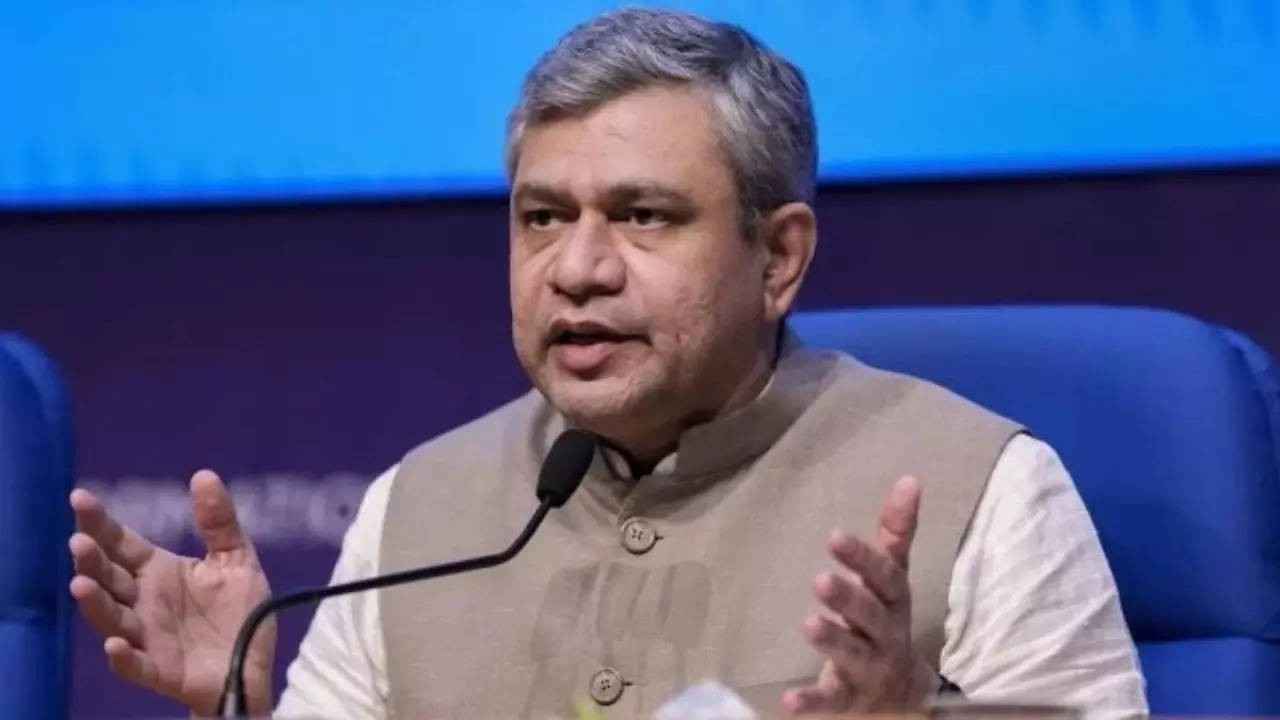
The details were shared by Union Minister for Electronics and Information Technology Ashwini Vaishnaw in the Lok Sabha on August 5, 2026.
India Focuses on Safe and Responsible Digital Learning
The government of India acknowledged that digital technologies have transformed education by improving access to learning resources, communication and innovation. However, it also noted that increased internet usage has exposed children to serious online risks such as harmful content, cyberbullying, online exploitation and digital addiction.
To address these concerns, the Ministry of Education introduced the PRAGYATA Guidelines on Digital Education in July 2020. These guidelines provide a comprehensive framework for safe and effective online education while promoting students’ well-being and encouraging responsible use of digital devices and social media platforms.
The government said these guidelines aim to help educational institutions create secure online learning environments while ensuring that children develop healthy digital habits.
CBSE and NCERT Expand Cyber Safety Education
The Central Board of Secondary Education (CBSE) has strengthened cyber awareness through several initiatives designed to educate both students and teachers.

These measures include digital etiquette guidelines, cyber-security training programmes for teachers, publication of the Cyber Security Handbook, and advisories encouraging schools to establish Cyber Clubs. These clubs are intended to create greater awareness among students about cyber threats, safe internet practices and responsible digital behaviour.
The National Council of Educational Research and Training (NCERT) has also integrated cyber safety into school education. A dedicated chapter titled “Societal Impacts” has been included in the curriculum for Classes XI and XII to educate students about the broader consequences of digital technology.
Additionally, the Central Institute of Educational Technology (CIET)-NCERT has prepared educational resources focused on cyber safety and continues to distribute them across educational institutions.
Government Reviews Global Best Practices
The government stated that it closely monitors international developments related to online child protection and digital safety regulations adopted by different countries.
These evolving global practices are examined whenever India reviews or develops new digital policies. Officials said every policy decision is carefully evaluated within India’s constitutional framework, legal system and technological ecosystem while balancing user safety, innovation, privacy and digital inclusion.
According to the government, this consultative approach ensures that India’s digital regulations remain responsive to emerging technologies without compromising fundamental rights.
Strong Legal Framework Protects Internet Users
The government said India’s legal framework for digital governance is primarily supported by the Information Technology Act, 2000 and the Information Technology (Intermediary Guidelines and Digital Media Ethics Code) Rules, 2021.
Together, these laws establish responsibilities for digital intermediaries and promote safer online participation.
Under the IT Rules, intermediaries must exercise due diligence and clearly inform users not to upload, publish, transmit or share content that harms children or violates existing laws.
Where online content involves offences under laws such as the Bharatiya Nyaya Sanhita, 2023, Bharatiya Nagarik Suraksha Sanhita, 2023, or the Protection of Children from Sexual Offences (POCSO) Act, 2012, intermediaries are legally required to report such offences to the appropriate authorities.
The government further highlighted recent amendments to the IT Rules requiring social media platforms and other intermediaries to remove unlawful content within three hours after receiving an order from a competent court or a reasoned direction from the appropriate government authority.
DPDP Act Strengthens Children’s Privacy
The government also pointed to the Digital Personal Data Protection (DPDP) Act, 2023, which provides additional safeguards for children’s digital privacy.
The Act requires platforms to obtain parental consent before processing children’s personal data. It also prohibits practices considered harmful to children’s well-being, including behavioural monitoring, online tracking and targeted advertising directed at minors.
Also Read: ‘3-Hour Takedown Rule’: India Unveils Powerful Crackdown On AI Deepfakes
Officials said these safeguards are intended to create a safer digital ecosystem while protecting children’s privacy rights.
Nationwide Cyber Awareness Campaign Continues
The Ministry of Electronics and Information Technology (MeitY) is implementing the Information Security Education and Awareness (ISEA) project to build cyber security awareness across the country.
According to the government, the initiative has conducted 6,650 awareness workshops, benefiting more than 11.37 lakh participants. These programmes have reached school and college students, teachers, law enforcement agencies, government officials and members of the general public.
The ministry has also produced multilingual awareness materials, including handbooks, posters, brochures, short educational videos and illustrated stories for children. These resources are distributed through print, electronic and social media platforms to improve cyber hygiene and online safety awareness.
CERT-In Promotes Cyber Hygiene
The Indian Computer Emergency Response Team (CERT-In) continues to support national cyber awareness efforts by regularly publishing safety advisories, posters, infographics and educational videos through its official platforms.
These campaigns aim to educate internet users about cyber threats, online fraud, phishing attacks and essential cyber safety measures, particularly those relevant to children and young internet users.
The government said it remains committed to building an open, safe, trusted and accountable digital ecosystem where children can benefit from technology while remaining protected from online risks. Through stronger regulations, educational initiatives, legal safeguards and nationwide awareness programmes, India continues to strengthen its digital safety framework in response to the rapidly evolving cyber landscape.
Click here to join our WhatsApp Channel for real-time news updates and exclusive coverage.