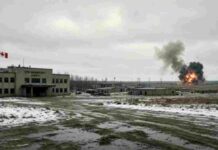
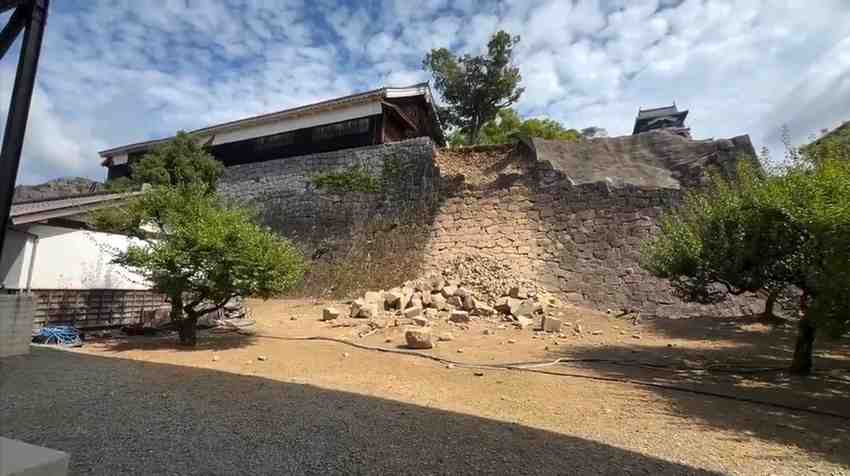
Japan is continuing an extensive rescue and relief operation after a powerful earthquake struck the country’s southwestern region, leaving widespread destruction and disrupting essential services. Two days after the disaster, the death toll has risen to 30, while thousands of residents remain without electricity and clean drinking water, forcing authorities to intensify emergency assistance across the affected areas.
Emergency personnel, military units, firefighters and volunteers are working around the clock to search collapsed buildings and rescue anyone who may still be trapped beneath the debris. Officials have warned that the possibility of finding survivors decreases with each passing hour, making the ongoing operation a race against time.
Thousands Left Without Basic Services
The earthquake caused extensive damage to power lines, water pipelines, roads and communication networks across several communities in Kumamoto Prefecture and nearby areas. Tens of thousands of households have been affected by prolonged outages, leaving many families without electricity or running water.
Residents have been forced to queue for emergency water supplies distributed by government agencies and Japan’s Self-Defense Forces. Temporary shelters have been established in schools, community centers and public buildings to accommodate displaced families who cannot safely return to their homes.
Authorities are also facing the challenge of restoring damaged infrastructure while ensuring uninterrupted relief supplies reach isolated communities.
Search Efforts Intensify Amid Dangerous Conditions
Hundreds of rescue workers equipped with heavy machinery, sniffer dogs and specialized search equipment continue to comb through collapsed buildings. Several structures, including commercial facilities and residential buildings, suffered severe structural damage during the earthquake.
Emergency officials remain concerned about the possibility of additional building collapses caused by frequent aftershocks. Rescue operations have therefore become increasingly complex, with teams carefully balancing speed and safety while searching unstable debris.
Officials believe some people may still be trapped, prompting continued large-scale search efforts despite difficult conditions.
Heat Wave Compounds Humanitarian Crisis
Apart from earthquake damage, survivors are now facing another serious threat—extreme summer temperatures.
Many evacuation shelters are overcrowded, while limited access to clean water has increased concerns over dehydration and heat-related illnesses. Medical teams have been deployed to monitor elderly residents, children and people with existing health conditions, who remain particularly vulnerable.
Authorities have urged residents to stay hydrated whenever possible and seek medical attention immediately if they experience symptoms of heat exhaustion. Emergency cooling facilities and additional drinking water distribution centers have also been established in the worst-hit areas.
Infrastructure and Businesses Suffer Heavy Damage
The earthquake disrupted transportation and industrial activity across southwestern Japan. Damaged roads, cracked bridges and interruptions to rail services have complicated relief operations and delayed the delivery of essential supplies.
Several factories temporarily suspended production while engineers inspected facilities for structural safety. Some manufacturing plants connected to the automotive and electronics industries have also halted operations, raising concerns over possible supply-chain disruptions if recovery takes longer than expected.
Engineers continue to inspect buildings, bridges and public infrastructure before permitting normal operations to resume.
Government Mobilizes Massive Relief Response
Prime Minister Sanae Takaichi has directed all government agencies to prioritize rescue operations and provide immediate assistance to affected communities.
Also Read: Ramayana Trailer Stuns Fans: Ranbir Kapoor, Yash And Sai Pallavi Bring Epic Alive
Thousands of members of Japan’s Self-Defense Forces have been deployed to assist local authorities by clearing debris, restoring transportation routes, distributing food and water, and supporting evacuation shelters.
Government officials have assured residents that every available resource is being used to restore electricity, water supplies and communication services as quickly as possible. Authorities are also monitoring hospitals and emergency medical facilities to ensure uninterrupted treatment for injured residents.
Aftershocks Continue to Keep Residents on Edge
Seismologists have warned that strong aftershocks remain possible in the coming days, prompting officials to advise residents against entering heavily damaged buildings unless they have been declared safe.
Many families have chosen to spend nights inside evacuation centers or parked vehicles rather than return to homes that may have suffered hidden structural damage.
Emergency agencies continue issuing public advisories, encouraging residents to keep emergency supplies ready and remain alert for additional seismic activity.
Long Road to Recovery Ahead
While rescue efforts remain the immediate priority, Japan is also preparing for a lengthy recovery process. Authorities expect rebuilding damaged homes, restoring utilities and repairing transportation infrastructure to take considerable time.
Communities affected by the earthquake now face the dual challenge of recovering from widespread destruction while coping with continued aftershocks and extreme summer weather.
For thousands of residents still living without electricity or water, the coming days will remain difficult as rescue workers and government agencies continue their efforts to restore normalcy across the disaster-stricken region.
Click here to join our WhatsApp Channel for real-time news updates and exclusive coverage.