
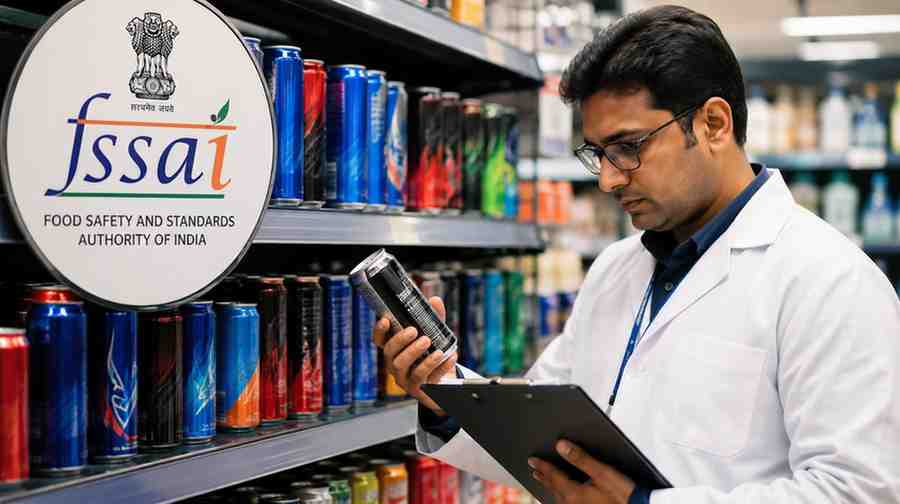
NEW DELHI: India’s food safety regulator, the Food Safety and Standards Authority of India (FSSAI), has instructed several leading beverage manufacturers, including PepsiCo, Red Bull, Monster Beverage, Reliance Consumer Products and Hell Energy, to remove the term “energy drink” and similar descriptions from product labels within the next 90 days. The directive is part of the regulator’s effort to prevent what it considers misleading product claims and to ensure compliance with India’s food safety regulations.
FSSAI Says No Official Standard Exists
According to FSSAI, there is currently no notified food standard in India that recognizes beverages as “energy drinks.” Because of this, the regulator believes companies should not market their products using such terminology. It has also objected to promotional statements suggesting that these beverages “vitalize body and mind” or help overcome weakness, arguing that such claims could mislead consumers.
The latest directive follows notices issued earlier this month to multiple beverage companies over alleged misbranding and the use of unsupported health-related claims on packaging and advertisements.
Companies Given 90 Days to Comply
The regulator has provided manufacturers with a 90-day period to modify packaging, labels and promotional material. Companies are expected to discontinue the use of the “energy drink” description across retail products and marketing campaigns during this period.
Reports indicate that FSSAI Chief Executive Rajit Punhani maintained the regulator’s position during discussions with industry representatives. While acknowledging concerns raised by manufacturers, he reportedly said companies are free to challenge the decision through legal channels if they disagree with the directive.
Industry Voices Concern Over Decision
Major beverage companies have reportedly expressed concern that removing the category name could create confusion among consumers and weaken established brand identities. Industry representatives argue that the term “energy drink” has become widely recognized in the market and helps consumers distinguish these beverages from other soft drinks.
Manufacturers have also warned that changing packaging and marketing material within a limited time frame could increase operational costs and affect sales. Some believe the decision may disrupt a rapidly growing segment of India’s beverage industry.
Rapidly Expanding Market Faces Greater Scrutiny
India’s caffeinated beverage market has witnessed significant growth over the past several years. Affordable products such as PepsiCo’s Sting have gained popularity among teenagers, young adults and consumers in smaller towns and rural markets.
Market research estimates suggest that India’s energy beverage segment could reach approximately US$1.6 billion by 2028, supported by annual growth of more than 12 percent. The strong expansion of the category has also attracted greater attention from regulators concerned about product claims and consumer awareness.
Health and Consumer Protection at the Centre
The FSSAI’s action reflects broader concerns surrounding beverages containing high levels of caffeine and other stimulants. Health experts have often advised moderation, particularly among children and adolescents, due to the potential effects of excessive caffeine intake.
Also Read: “I Am Street Fighter, Not An AC Room Activist”: Dharmendra Pradhan Hits Back At Congress
The regulator has emphasized that marketing should accurately represent the nature of food products and should not imply health or performance benefits that are not supported under existing regulations. By insisting on the removal of the “energy drink” label, FSSAI aims to make product information clearer and reduce the possibility of misleading consumers.
Enforcement Already Underway
Regulatory action has already begun in some states. Authorities in Rajasthan have reportedly seized stocks of certain popular caffeinated beverages and instructed e-commerce platforms not to promote products using the “energy drink” label. These measures indicate that enforcement of the regulator’s position has already started even before the nationwide compliance deadline expires.
What Happens Next?
Over the coming three months, beverage manufacturers will be required to redesign labels, revise advertisements and update product descriptions to comply with FSSAI’s order. The move is expected to reshape branding strategies across one of India’s fastest-growing beverage categories.
Whether companies decide to accept the new rules or challenge them legally remains to be seen. However, the directive signals a stricter regulatory approach toward food labelling and marketing practices, with consumer protection and transparency emerging as key priorities for India’s food safety watchdog.
Click here to join our WhatsApp Channel for real-time news updates and exclusive coverage.