
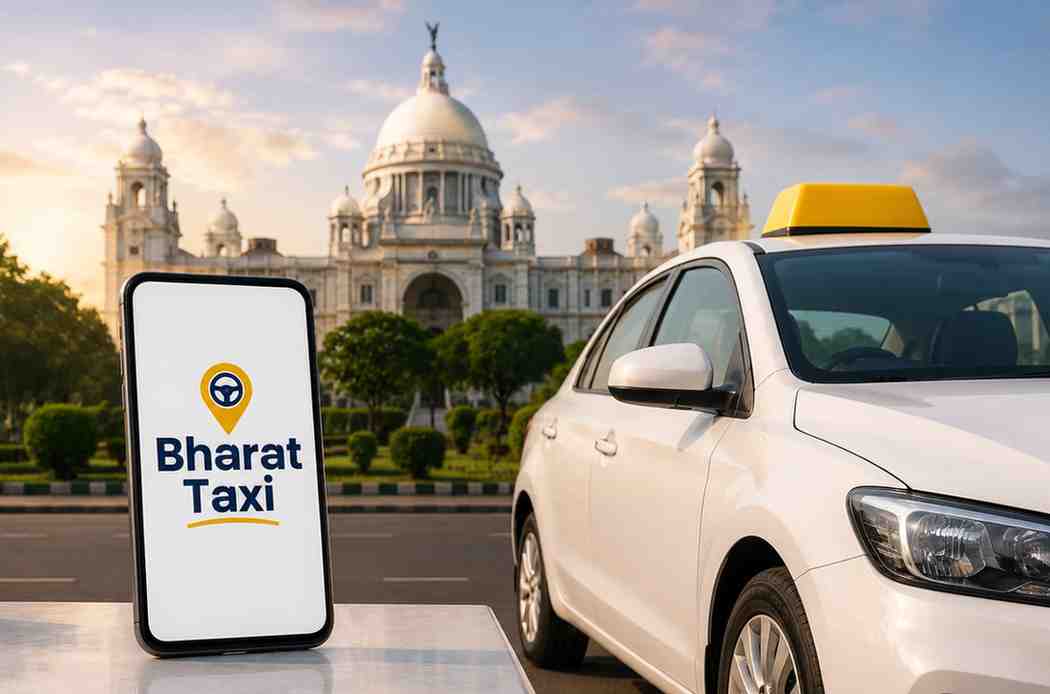
In a move aimed at strengthening the state’s transport ecosystem, the West Bengal government has entered into an agreement with Bharat Taxi, a cooperative-led ride-hailing platform. The partnership seeks to introduce an alternative mobility model that focuses on driver welfare, transparent pricing, and improved passenger convenience.
Officials believe the collaboration will encourage more commercial drivers to join an organized digital platform while reducing dependence on conventional commission-based aggregator services. The initiative is also expected to promote cooperative entrepreneurship in the transport sector.
Focus on Driver Welfare
One of the key objectives of the partnership is to improve the financial security of drivers. Unlike traditional ride-hailing platforms that charge significant commissions, Bharat Taxi operates on a cooperative model intended to allow drivers to retain a larger share of their earnings.
The government expects this approach to make app-based transport more sustainable for taxi operators and commercial vehicle owners. Drivers associated with the platform are likely to receive better support, digital access, and transparent payment mechanisms.
Expanding Digital Mobility
The MoU reflects West Bengal’s broader efforts to modernize urban mobility through technology. Digital booking, cashless payments, real-time tracking, and improved customer support are expected to be integrated into the service.
Authorities believe that the expansion of app-based transport will improve connectivity for commuters while providing a reliable transport option across cities and towns.
The initiative is also expected to support digital inclusion by helping traditional taxi operators adopt modern technology without facing excessive operational costs.
Employment Opportunities
The partnership is projected to generate new employment opportunities, particularly for commercial drivers and small vehicle owners. As demand for app-based mobility continues to grow, officials expect more people to benefit from organized transport services.
The cooperative model may also encourage unemployed youth and existing taxi operators to participate in the digital transport ecosystem, contributing to income generation across the state.
Cooperative Model at the Centre

Bharat Taxi has emerged as a cooperative-backed ride-hailing platform designed to offer an alternative to private aggregators. Supported by cooperative institutions, the platform emphasizes fair pricing, driver ownership, and reduced intermediary costs.
By partnering with Bharat Taxi, the West Bengal government aims to promote a transport system where drivers have greater participation and economic benefits while passengers receive dependable services.
Better Services for Passengers
Passengers are expected to benefit from improved availability of taxis, transparent fare structures, and digital booking facilities. The government hopes the collaboration will enhance public confidence in app-based transport services by ensuring greater accountability and service quality.
Read Also: Amit Shah: “Bengal’s Political Transformation Has No Equal Since Independence”
Officials also expect the initiative to complement existing public transport systems and provide additional last-mile connectivity in urban and semi-urban areas.
Strengthening the State’s Mobility Ecosystem
The agreement aligns with West Bengal’s ongoing efforts to improve transportation infrastructure and digital governance. By integrating cooperative models with technology-driven mobility, the government intends to create a balanced transport ecosystem that benefits both service providers and commuters.
Industry observers believe that if implemented successfully, the initiative could serve as a model for cooperative-based ride-hailing services in other parts of the country.
Looking Ahead
The signing of the MoU represents an important milestone in West Bengal’s transport policy. As implementation begins, the focus will remain on onboarding drivers, expanding service coverage, and ensuring seamless digital operations.
If the partnership delivers on its objectives, it could improve urban mobility, strengthen cooperative participation in the gig economy, and provide long-term economic opportunities for thousands of drivers while offering commuters a reliable and affordable travel option.
Click here to join our WhatsApp Channel for real-time news updates and exclusive coverage.