
Iran has announced that it is suspending its commitments under the Islamabad Memorandum of Understanding (MoU), accusing the United States of repeatedly violating the agreement amid the ongoing military confrontation between the two countries. The move marks another major setback for diplomatic efforts aimed at reducing tensions in the Middle East, where both nations continue to exchange accusations over the collapse of the temporary understanding.
According to Iranian officials, the decision follows continued US military operations and what Tehran describes as repeated breaches of commitments made under the memorandum. The announcement comes at a time when the region is witnessing heightened security concerns, with military activity expanding across several strategic locations.
Iran Blames US for Breakdown of the Agreement
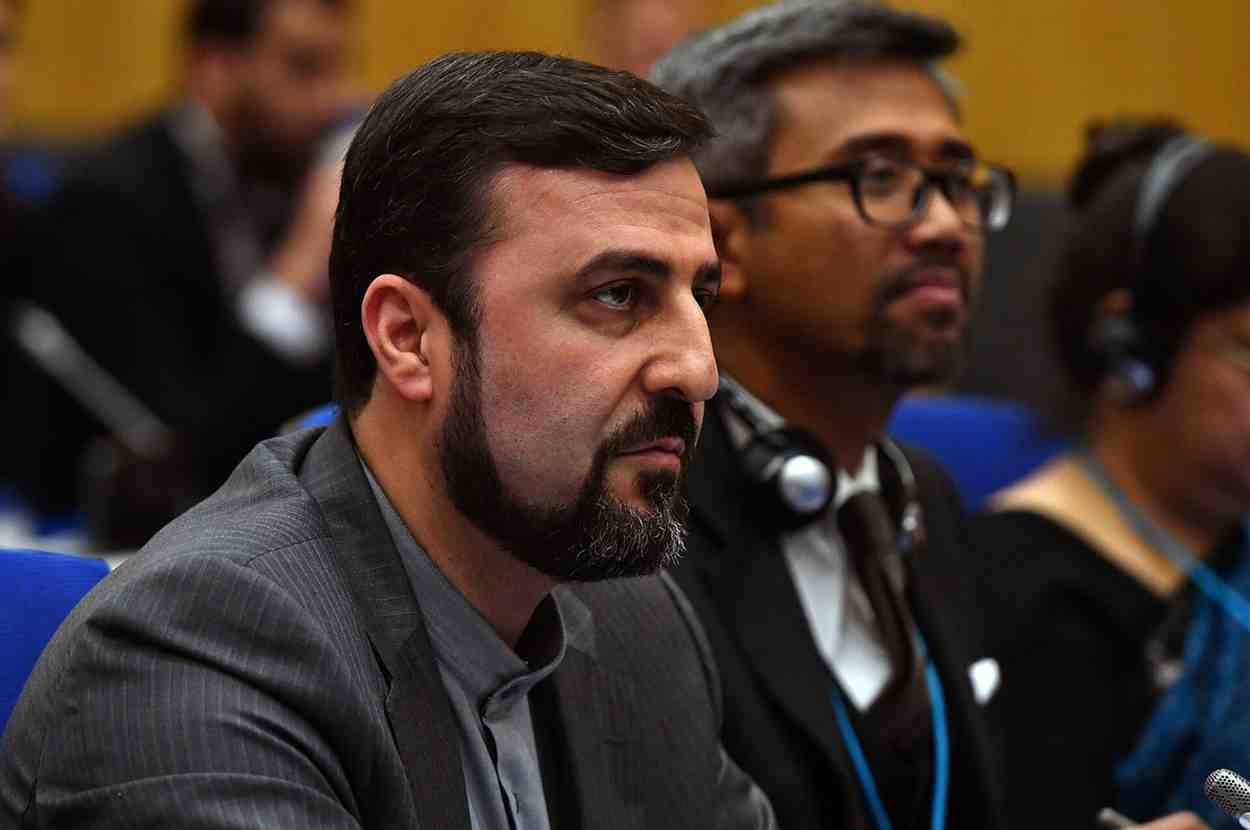
Iranian Deputy Foreign Minister Kazem Gharibabadi stated that the United States had effectively suspended its own obligations under the memorandum through its actions. He argued that Washington’s military operations and policy decisions had undermined the foundation of the agreement, leaving Iran with little choice but to halt its own commitments.
Iranian authorities maintained that the memorandum was designed to reduce tensions and create a framework for stability, but alleged that continued American military actions made its implementation impossible. Tehran insisted that its latest move was a direct response to what it considers repeated violations by Washington rather than an attempt to abandon diplomacy altogether.
Military Operations Continue Despite Diplomatic Efforts
The announcement coincides with an intensification of military operations in the region. Reports indicate that the United States has continued strikes targeting Iranian military infrastructure, surveillance systems and weapons storage facilities as part of its ongoing campaign.

The US Central Command has confirmed several consecutive nights of military operations, describing them as efforts aimed at degrading Iran’s military capabilities. Iranian media, meanwhile, have reported explosions in multiple locations, including areas in southern Iran, while officials accuse the US of widening the scope of its attacks.
Tehran argues that such operations directly contradict the spirit of the memorandum and demonstrate that Washington is no longer committed to de-escalation.
Diplomatic Trust Continues to Erode
The suspension reflects the growing lack of trust between Tehran and Washington. Analysts note that even before Iran’s latest announcement, disagreements over the interpretation of the memorandum had created uncertainty regarding its future.
The agreement had been intended to reduce hostilities while leaving room for future negotiations on broader issues. However, disputes over sanctions, military activities, maritime security and regional influence prevented meaningful progress.
Iranian leaders have repeatedly argued that diplomatic agreements cannot survive if military pressure continues simultaneously. Officials have also questioned the credibility of future negotiations unless the United States demonstrates what they describe as a genuine commitment to honoring previous understandings.
Regional Security Concerns Intensify
The latest developments have further heightened concerns across the Middle East. Several neighbouring countries remain on alert as the confrontation increasingly affects regional security, maritime trade routes and energy infrastructure.
International observers fear that continued escalation could disrupt commercial shipping and increase instability across the Gulf region. Energy markets have also reacted cautiously to the ongoing conflict, with traders closely monitoring developments around key transportation corridors.
Also Read: Ahmedabad Firecracker Factory Blast Claims 8 Lives
Security analysts warn that any further deterioration could have wider geopolitical consequences extending beyond the immediate conflict.
International Community Calls for Restraint
Several countries and international organizations continue to urge both sides to avoid further escalation and return to diplomatic engagement. While no immediate breakthrough appears likely, diplomats believe sustained dialogue remains essential to preventing a broader regional conflict.
Global leaders have repeatedly emphasized the importance of protecting civilian lives, maintaining freedom of navigation and preventing additional military confrontations that could destabilize international markets.
Despite the increasingly hostile rhetoric, diplomatic channels have not been completely closed. Some officials continue to express hope that negotiations could eventually resume if conditions improve and both parties demonstrate willingness to rebuild confidence.
Future of the Memorandum Remains Uncertain
Iran’s suspension of its commitments significantly weakens the already fragile framework established under the Islamabad Memorandum. Whether the agreement can be revived will likely depend on future political decisions and developments on the ground.
For now, both Washington and Tehran continue to defend their respective positions, each accusing the other of violating the understanding first. With military operations continuing and diplomatic trust deteriorating, prospects for a rapid resolution remain uncertain.
The coming days are expected to be crucial as international mediators attempt to prevent further escalation while encouraging renewed diplomatic engagement. However, unless both sides address their core disagreements, the suspension of the memorandum could mark another chapter in the prolonged confrontation between Iran and the United States.
Click here to join our WhatsApp Channel for real-time news updates and exclusive coverage.