
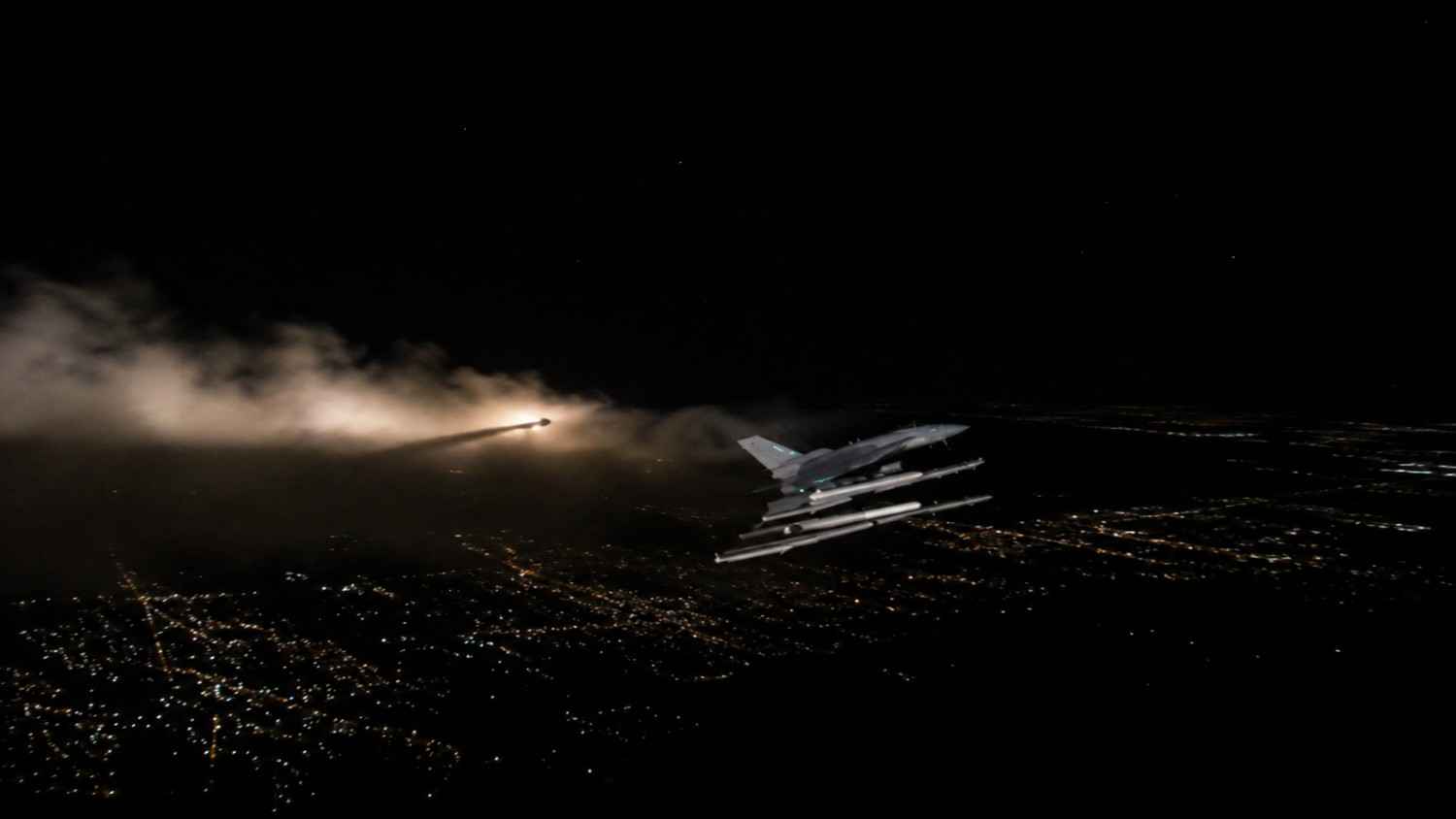
The conflict between the United States and Iran intensified sharply after two American service members were killed and another was reported missing following a large-scale Iranian missile and drone attack targeting a military installation in Jordan. The strike represents one of the deadliest incidents involving US forces since the latest phase of hostilities began, raising fears of an even wider regional conflict.
According to the US Central Command (CENTCOM), the attack occurred during a coordinated assault involving ballistic missiles and armed drones launched by Iranian forces against positions used by American troops in Jordan. US military officials confirmed that two personnel lost their lives while carrying out defensive operations, while search efforts continued for a third service member who remained unaccounted for.
CENTCOM confirms casualties
The US military said that several additional personnel sustained injuries during the attack. Four service members were evacuated for medical treatment in Jordan and later discharged after receiving care for injuries that were not considered life-threatening. Officials stressed that investigations into the full extent of the damage and casualties were still underway.
Military authorities have not yet released the identities of the deceased personnel, stating that notifications to their families must be completed before their names are made public.
The attack targeted the Muwaffaq Salti Air Base in Jordan, an important location used by US and allied forces for regional security operations. Air defense systems reportedly intercepted several incoming missiles and drones, but some managed to penetrate the defenses, causing casualties and infrastructure damage.
Iran expands military campaign
The strike on Jordan came as Iran widened its military operations across the Middle East following continued US airstrikes on Iranian military and strategic facilities. Reports indicated that Tehran launched coordinated attacks not only against Jordan but also toward several Gulf nations, dramatically increasing tensions across the region.

The latest developments suggest that the confrontation has moved beyond isolated exchanges, with both sides engaging in sustained military operations involving missiles, drones and air power.
Iranian leaders have repeatedly warned that continued US military action would invite a stronger response. The latest attack appears to demonstrate Tehran’s willingness to directly target locations hosting American forces.
Washington weighs next move
The deaths of American service members are expected to increase pressure on the US administration to respond militarily. Senior officials have described the attack as a serious escalation and pledged that those responsible would be held accountable.
US defense officials are reportedly assessing response options while maintaining heightened military readiness throughout the Middle East. Additional air defense assets and aircraft have already been deployed across the region as tensions continue to rise.
Read Also: Iran Suspends MoU Commitments, Accuses US Of Violating Agreement
Security analysts believe any large-scale retaliation by Washington could further expand the conflict, potentially drawing additional regional actors into the fighting.
Strategic importance of Jordan
Jordan has emerged as a crucial partner for US military operations in the Middle East. The country hosts American troops involved in counterterrorism missions, intelligence gathering and regional security coordination.
Its strategic location near Iraq, Syria and Israel makes it an essential operational hub. Any attack on US facilities inside Jordan is viewed by military planners as a direct challenge to American regional presence.
Jordanian authorities have not yet released detailed information regarding damage within the country but continue to coordinate closely with US forces on security measures.
Regional concerns grow
The latest attack has heightened fears that the ongoing Iran-US confrontation could evolve into a broader regional war. Missile and drone exchanges have increasingly threatened military installations, shipping routes and civilian infrastructure across the Gulf.
Several governments have urged restraint while calling for diplomatic efforts to prevent further escalation. International observers warn that continued attacks could disrupt regional stability, energy supplies and global trade.
The conflict has already affected security around key maritime routes, including the Strait of Hormuz, one of the world’s most important oil shipping corridors.
Search operation continues
US military officials confirmed that efforts remain focused on locating the missing service member. Search and rescue teams continue operations despite ongoing security risks around the affected base.
The Pentagon has pledged to provide regular updates as more verified information becomes available.
With casualties mounting and military operations expanding across multiple countries, the latest attack marks another dangerous chapter in the rapidly escalating confrontation between Washington and Tehran. As both nations continue exchanging military strikes, diplomatic efforts appear increasingly limited, leaving the region facing one of its most volatile security crises in recent years.
Click here to join our WhatsApp Channel for real-time news updates and exclusive coverage.