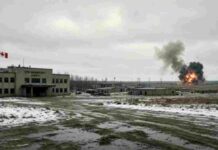
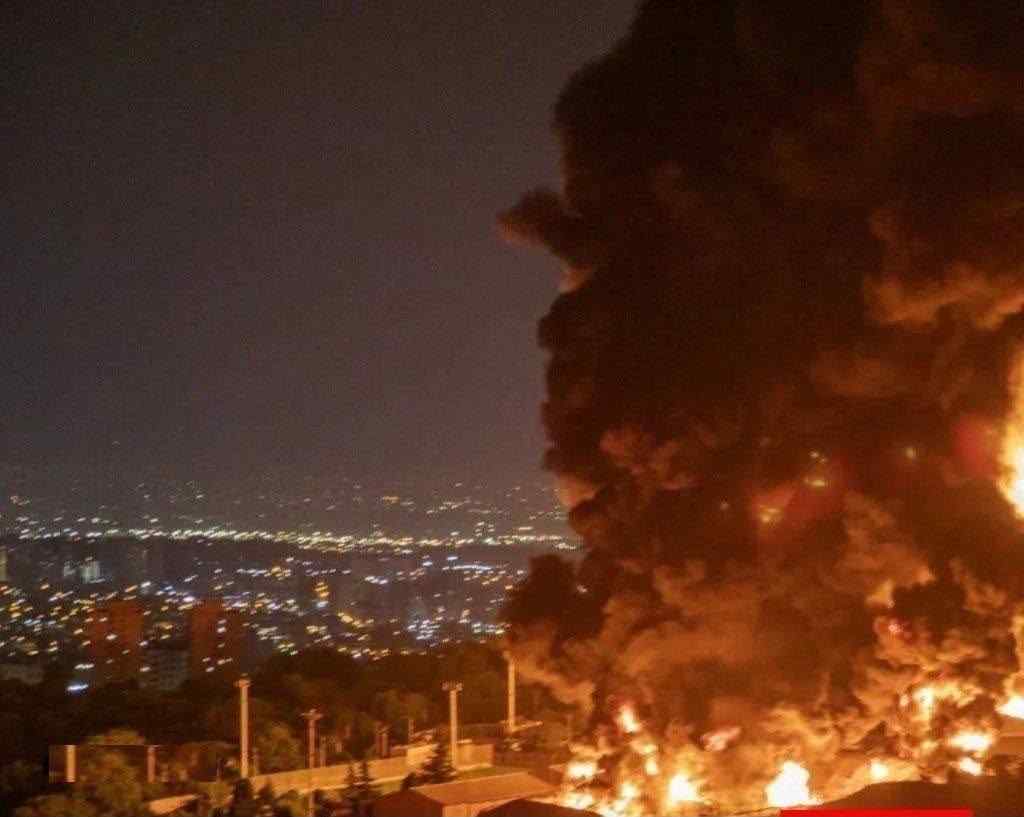
The United States has launched another round of military strikes against Iran, marking a sharp escalation in the ongoing conflict after President Donald Trump declared that the interim ceasefire between the two countries had effectively ended. The latest attacks targeted several strategic locations in southern Iran, including key port cities, amid rising tensions over security in the Strait of Hormuz.
The renewed military action comes only weeks after both nations had agreed to an interim understanding aimed at reducing hostilities. However, recent attacks on commercial vessels in one of the world’s busiest maritime trade routes triggered a fresh cycle of retaliation, pushing the fragile agreement to the brink of collapse.
Strategic Port Cities Among Primary Targets
According to reports, American forces struck multiple military installations located near Iran’s southern coastline. Explosions were reported in Bandar Abbas, Sirik and areas close to Bushehr, where important military and energy facilities are situated.
US officials said the operation was designed to weaken Iran’s ability to threaten international shipping lanes and launch attacks against commercial vessels passing through the Strait of Hormuz. Military planners reportedly focused on command centers, missile launch facilities and logistics infrastructure believed to support Iran’s naval operations.
The strikes represent one of the largest military actions since the ceasefire understanding was announced and indicate that Washington is prepared to intensify pressure if maritime attacks continue.
Trump Says Ceasefire Has Ended
Speaking during an international summit, President Donald Trump declared that the temporary ceasefire agreement was “over,” accusing Tehran of violating its commitments.
Trump warned that further attacks on international shipping or American interests would invite stronger military retaliation. While indicating that diplomatic channels had not been completely shut, he expressed doubts over the possibility of reaching a lasting agreement with Iran under the current circumstances.
The US President also reiterated that preventing Iran from acquiring nuclear weapons remains a central objective of American policy.
Strait of Hormuz Remains Flashpoint
The latest escalation revolves around the Strait of Hormuz, through which a significant portion of the world’s oil exports passes every day.
Recent attacks on commercial vessels have heightened fears over the security of global energy supplies. Shipping companies have reportedly altered routes or delayed movements due to growing concerns about missile and drone attacks.
The United States has blamed Iran for threatening freedom of navigation, while Tehran maintains that it has the right to regulate maritime activities in waters under its jurisdiction. The disagreement has become the central issue behind the renewed conflict.
Iran Condemns American Action
Iranian authorities strongly condemned the latest American strikes, describing them as violations of international law and an act of aggression.
Officials in Tehran insisted that Iran reserves the right to defend its sovereignty and warned that any further attacks would receive an appropriate military response.
Iran has consistently argued that the United States bears responsibility for undermining diplomatic efforts and escalating tensions across the region.
Also Read: DRDO Conducts Successful Trial Of 60-km Range Pinaka Guided Rocket
Military officials also indicated that defensive operations remain active across strategic coastal regions following the latest bombardment.
Regional Security Concerns Intensify
The renewed exchange of attacks has significantly increased security concerns across the Gulf region.
American military bases in Bahrain and Kuwait have already experienced heightened alert levels after earlier Iranian missile and drone attacks. Regional governments continue to monitor developments closely amid fears that the conflict could spread beyond the immediate battlefield.
Several countries have urged restraint while encouraging both Washington and Tehran to resume diplomatic dialogue before the situation deteriorates further.
Global Oil Markets React
Energy markets reacted immediately to the renewed hostilities.
Oil prices climbed as traders assessed the possibility of prolonged disruption in the Strait of Hormuz, a crucial route for crude oil exports from the Middle East.
Shipping insurance premiums have also reportedly increased as commercial operators evaluate the growing risks associated with operating in the Gulf region.
Analysts believe that any sustained interruption to maritime traffic could have significant consequences for global energy supplies and inflation worldwide.
Diplomatic Future Uncertain
Despite the renewed military operations, diplomatic efforts have not been completely abandoned.
American officials indicated that negotiations remain possible if Iran halts attacks on commercial shipping and regional military installations. However, the latest developments have substantially reduced optimism surrounding an early diplomatic breakthrough.
International observers warn that rebuilding trust between the two countries will become increasingly difficult as military exchanges continue.
Several governments and international organizations have appealed for restraint, emphasizing that continued escalation risks drawing additional regional actors into the conflict.
International Community Calls for Restraint
Global leaders have expressed concern over the collapse of the ceasefire arrangement.
Many governments fear that a prolonged confrontation between the United States and Iran could destabilize the broader Middle East, disrupt international trade routes and create new humanitarian challenges.
The latest strikes underscore how rapidly the security situation can deteriorate despite ongoing diplomatic efforts. With both Washington and Tehran maintaining firm positions, uncertainty continues to surround the future of the conflict and the stability of one of the world’s most strategically important regions.
Click here to join our WhatsApp Channel for real-time news updates and exclusive coverage.